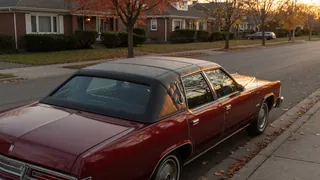
Classic car vinyl roof repair
A vinyl roof on a classic car adds period style, but age brings cracking, lifting, discoloration, and tears. Repair decisions depend on whether the roof covering is the original factory specification, how the base metal has fared, and how the car will be used. Understanding material limits and adhesion issues helps owners choose between localized patching, resealing seams, or replacing the entire covering. This guide addresses the essential scope of classic car vinyl roof repair and explains how to diagnose common failures before cosmetic work begins.
Essential answer
Classic car vinyl roof repair usually means restoring the textured covering bonded to a steel roof panel, a styling feature tied to a specific production period and model generation. The goal may be preserving an original appearance, stopping water intrusion, or preparing a car for sale. A small tear or lifted seam can often be stabilized with adhesive and patching, while widespread cracking, shrinkage, or rust under the vinyl typically calls for removing the covering and replacing it.
The correct scope depends on whether the roof is judged against factory specification or simply needs to look presentable. A concours restoration may require matching the original grain, seam placement, and edge trim, while a driver-quality repair can use a close visual equivalent. Because the vinyl layer hides the steel beneath it, evaluation should always include checking for moisture trapped between the covering and the panel before deciding that a surface repair is sufficient.
Diagnosing a problem
Diagnosing a vinyl roof problem begins with inspecting the surface at eye level and then pressing gently around suspect areas. Lifting at the edges, bubbling in the center, or a chalky, cracked texture suggests the adhesive has degraded or the vinyl has lost its plasticizer. Soft spots or visible rust stains along the base of the roof or around trim openings indicate that water has reached the steel underneath and that the repair must address both the covering and the metal.
When a section has split, look at the edges of the tear. Clean, flexible edges that align easily may respond to an adhesive patch, while stiff, shrunken edges that pull apart usually mean the material can no longer be stitched or glued into a durable repair. If moisture is trapped under the vinyl or the roof moves when pressed, the car should not be left exposed to weather, and the affected area needs to be opened for inspection before any cosmetic refinishing.