Choose Lotus Elise transmission fluid
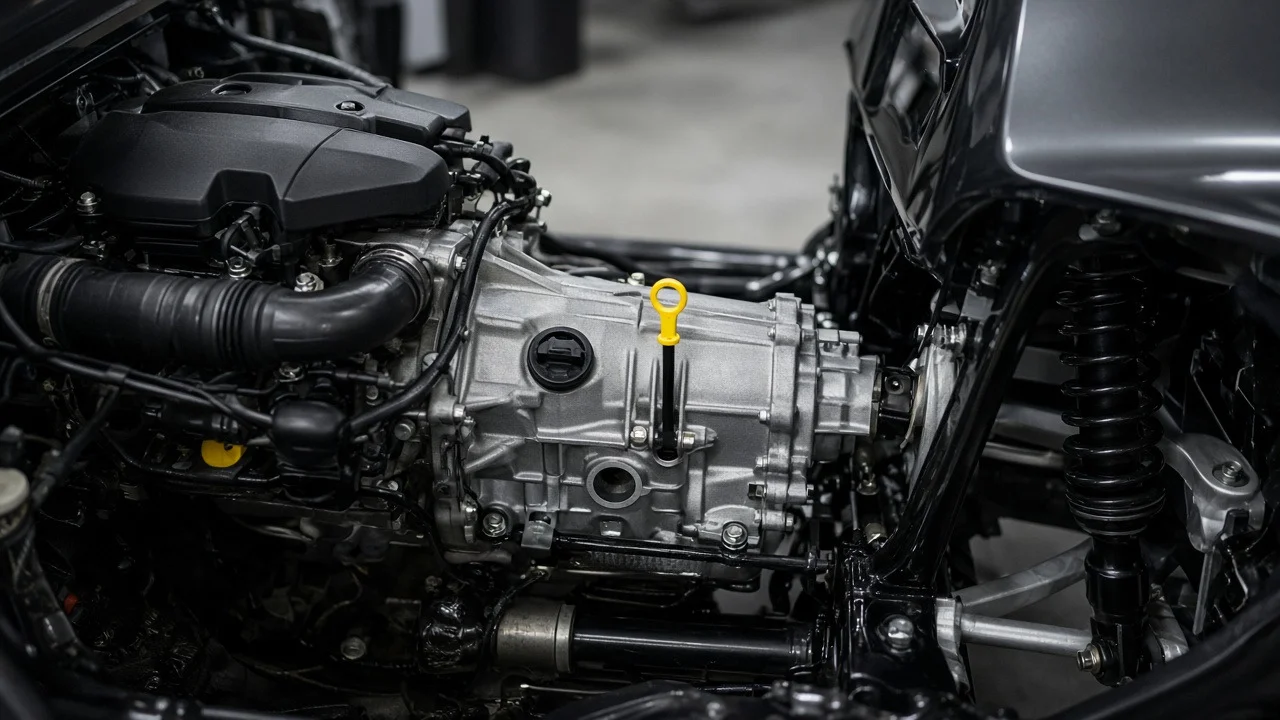
Choosing the correct Lotus Elise transmission fluid matters because a mid-engine sports car with a cable-shifted transaxle responds immediately to lubricant condition and fluid type. The Elise does not tolerate a generic fill when shift feel, synchro wear and gear protection are at stake. Owners researching this topic usually want a supported fluid choice for their transmission type, driving conditions and service history. The right selection depends on the gearbox configuration, manufacturer fluid specification, expected shift behavior and whether the car sees street or track use.
Essential answer
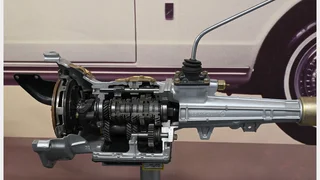
The essential answer is that the correct Lotus Elise transmission fluid must match the installed gearbox, which is commonly a manual transaxle rather than an automatic or automated single-clutch unit in many examples. Because the transmission type determines the required additive chemistry and viscosity behavior, a fluid chosen for a conventional manual gearbox can differ from one suited to a limited-slip or track-oriented transaxle. The approved fluid specification in the owner documentation is the first filter, not the brand name on a shelf.
Shift behavior is also diagnostic. A notchy cold engagement, increased effort across the gate, or a change in feel after sustained hard driving can point to the wrong fluid, degraded lubricant, or a different fill level rather than an immediate synchro failure. Diagnostic codes are rarely the starting point with a manual transaxle, but a transmission-related code on some Elise configurations deserves interpretation alongside fluid condition, not as proof that a gearbox component has failed. Service history and fitment remain part of the fluid decision because a changed transmission or rebuild can alter the expected specification.
Relevant alternatives
Relevant alternatives usually divide between a manufacturer-recommended manual transaxle fluid and an aftermarket gear oil that claims improved synchro action or higher temperature stability. A standard fill is preferable for a street-driven Elise where cold shift quality, warranty expectations and predictable long-term compatibility are priorities. An upgraded gear lubricant may appeal when the car sees track sessions, a limited-slip differential, or consistently high transaxle temperatures, provided the chemistry remains appropriate for the synchronizer material and seal type.
Fitment is more than matching the container to the car model. Two Elise examples can look alike to a catalog but have different model-year gearbox details, optional differential equipment, or service parts that change the correct fluid. The owner should compare any alternative on the same basis: transmission type, fluid specification, fill procedure, expected operating temperature and service history. Without compatible measurements and confirmed vehicle details, a lower-cost or higher-performance fluid should not automatically be treated as the better choice.