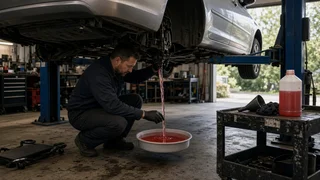
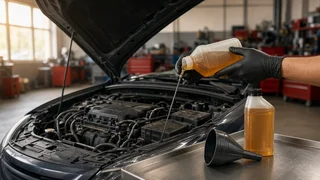
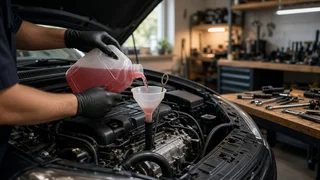
Choose Lexus LS460 transmission fluid
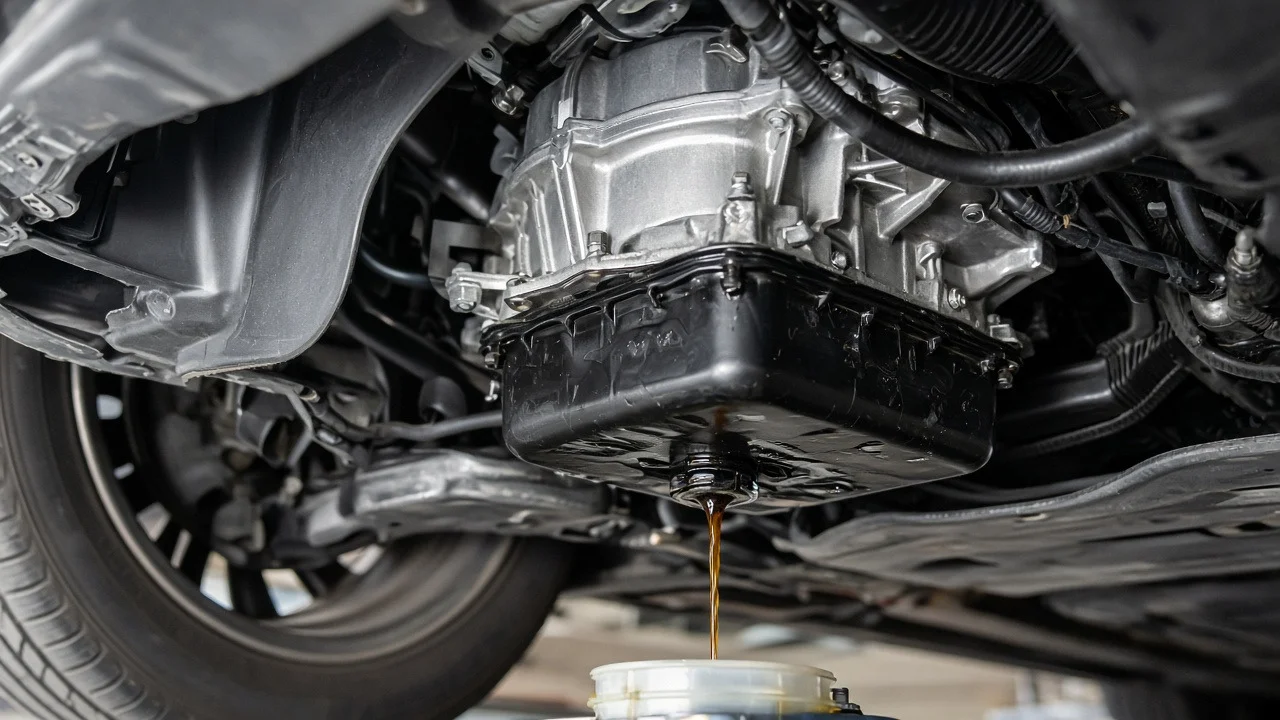
Choosing transmission fluid for a Lexus LS460 is more than matching a bottle to a shelf. The LS460 uses a carefully controlled automatic transmission, and its shift quality, torque converter behavior and long-term wear depend heavily on the fluid's friction modifiers, viscosity and cleanliness. A fluid that meets the correct specification can help preserve smooth engagement, while an incompatible product may change shift timing or accelerate internal wear. This overview explains how transmission type, fluid specification and service history shape the selection, and why the evidence from your driving observations matters as much as the label on the container.
Essential answer
The essential starting point is to identify the transmission type in your specific LS460, because different versions of this platform can use different automatic gearboxes and therefore different fluid requirements. The transmission type influences the internal clutch material, valve body behavior and the friction characteristics the fluid must support. A fluid approved for one transmission may not produce the same shift behavior in another even if both are automatic. The owner's manual or the transmission identification data for your vehicle should guide the baseline choice before any aftermarket option is considered, because fitment is the first criterion for avoiding shift-quality complaints.
A transmission fluid is not a universal liquid. Its specification covers heat resistance, oxidation stability and the precise friction modification needed for smooth, consistent shift behavior. When the fluid breaks down or the level is incorrect, you may notice delayed engagement, harsh shifts or a subtle shudder under light throttle. Diagnostic codes can store torque-converter or shift-solenoid complaints even when the transmission still operates. Those codes are not proof that any single component has failed, but they are useful evidence to interpret alongside the fluid condition and service history. A correct fluid change often clears early drivability concerns.
Relevant alternatives
When comparing relevant alternatives, the practical choice is usually between a factory-specified fluid, an equivalent product from a major oil company that clearly states the same specification, or a product marketed for similar automatic transmissions. Factory and specification-matched fluids are generally preferable because the additive package has been validated for the clutch materials and shift scheduling of that gearbox. A generic universal fluid may work acceptably in many transmissions, but in a vehicle as sensitive to shift refinement as the LS460, an explicitly compatible product reduces the risk of changed engagement feel or increased slip under load.
Service history also changes the best decision. A transmission that has received regular fluid exchanges can usually continue with a direct specification-matched replacement. If the fluid is severely aged or contaminated, the first step is often a careful assessment of fluid level and condition rather than an immediate parts replacement. In that situation, choosing the least aggressive, specification-correct option is usually wiser than switching to a fluid with stronger detergents or different friction chemistry. Shift behavior after a fluid exchange should improve gradually; if codes return, the issue may lie outside the fluid itself.