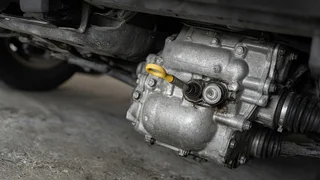
Choose Honda Fit manual transmission fluid type

Choosing the correct manual transmission fluid for a Honda Fit depends on the model year and the transmission fitted to the car. The owner’s manual and the vehicle’s service documentation are the most reliable places to confirm the fluid specification, because Honda has used different gearbox designs across Fit generations. Shift behavior, service history, and any related diagnostic codes can help identify whether a fluid change is the right next step, but the fluid type must always match the transmission installed in the vehicle rather than being guessed from the model name alone.
Essential answer
The essential answer is that the Honda Fit manual transmission fluid type is not a single universal product across every model year. The required fluid specification depends on the transmission type and the market in which the vehicle was sold. In many cases, Honda specifies a genuine manual transmission fluid meeting a particular friction and viscosity profile, often labeled by Honda’s own part-numbered product rather than by a generic aftermarket name. Owners should confirm the exact fluid specification for their production date before purchasing or draining anything.
A manual gearbox relies on the fluid to maintain smooth synchromesh operation, reduce gear wear, and allow clean engagement under load. Using a fluid with the wrong friction modifiers can make shifts feel notchy or cause synchronizer rattle. When a Honda Fit has a fluid-related shift complaint, the first step is to compare the noted symptom with the service history. A recent change using an unconfirmed transmission fluid may explain new shift behavior, while an older fill may simply have degraded through heat cycles and moisture exposure.
Relevant alternatives
When comparing fluid options, the practical choice is usually between the genuine Honda manual transmission fluid specified for the fitment and a high-quality aftermarket fluid that clearly states compatibility with the same specification. The genuine product removes guesswork because the formulation is matched to the synchronizer material and bearing clearances. An aftermarket alternative may be preferable when the genuine fluid is difficult to find locally or when the owner wants a specific cold-weather shift characteristic, but it must not be selected by viscosity alone.
The more important comparison is between leaving the existing fluid in place and performing a service based on observed shift behavior. If the transmission shifts cleanly when warm but feels stiff when cold, the fluid may be too thick for the operating conditions or may have absorbed moisture. A fluid change is a reasonable maintenance step, but it does not correct a damaged synchronizer or a clutch that is not releasing fully. Interpreting those symptoms accurately prevents an unnecessary fluid replacement from masking a mechanical repair option that should be addressed separately.