Choose Honda Element transmission fluid

Choosing the correct Honda Element transmission fluid matters because this compact utility vehicle relies on a specific automatic gearbox that is sensitive to fluid chemistry, fill level, and condition. The Element was offered with front-wheel drive or all-wheel drive, and each configuration can affect how the drivetrain behaves under load. Owners often notice delayed engagement, rough shifting, or noise and wonder whether a fluid change will help. A thoughtful fluid selection should account for transmission type, Honda fluid specifications, service history, shift behavior, and fitment rather than relying on generic automatic transmission fluid. The right choice supports predictable shifts and long component life.
Essential answer
The essential answer is that a Honda Element should use a transmission fluid that meets Honda’s own specification for the installed automatic transmission. Generic multi-vehicle fluid may satisfy a broad claim, but it does not automatically match the friction characteristics and viscosity behavior Honda designed for this gearbox. Fluid specification, not color or brand name alone, is the key decision factor. Because the Element’s transmission and final drive arrangement can differ between front-wheel drive and all-wheel drive examples, confirming fitment for the exact driveline helps avoid fluid that is merely close enough.
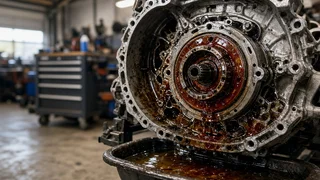
Shift behavior is a practical indicator of whether the current fluid is correct or degraded. A transmission that hesitates to engage from park, flares between gears, or produces rough part-throttle shifts may be reacting to age, low fluid level, or a fluid with the wrong friction profile. Diagnostic codes can provide supporting evidence when shift concerns appear, but a fault code is a clue to interpret rather than proof that a specific component has failed. Fluid condition and level should be checked as part of a normal diagnosis before assuming a major repair.
Relevant alternatives
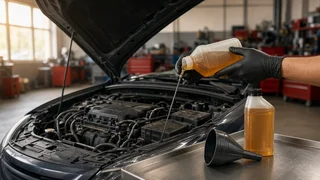
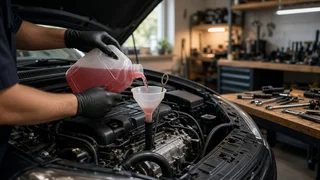
When comparing fluid options, the primary decision is usually between a genuine Honda fluid and an aftermarket product that states compatibility with Honda specifications. A genuine fluid reduces the chance of fitment confusion and is formulated around the transmission’s expected friction behavior. An aftermarket fluid may be convenient or less expensive, but it should clearly list the relevant Honda specification and match the same service criteria. In warm climates, frequent stop-and-go driving, or heavier loading, the quality and cleanliness of the fluid become more important than saving a small amount at purchase.
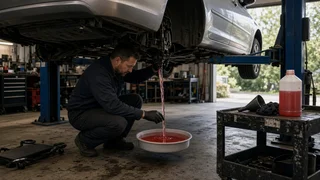
Another alternative comparison involves simply refreshing the existing fluid versus performing multiple drain-and-fill services. Honda automatic transmissions often retain a meaningful amount of fluid in the torque converter, so one drain may renew only part of the total fill. For a neglected transmission with harsh shifting, a series of gentle drain-and-fill services can gradually restore fluid quality while avoiding the shock of a power flush. Repair options should only be considered after confirming that fluid level, specification, and condition are not the underlying cause of the concern.