Choose a Keyless2Go replacement key
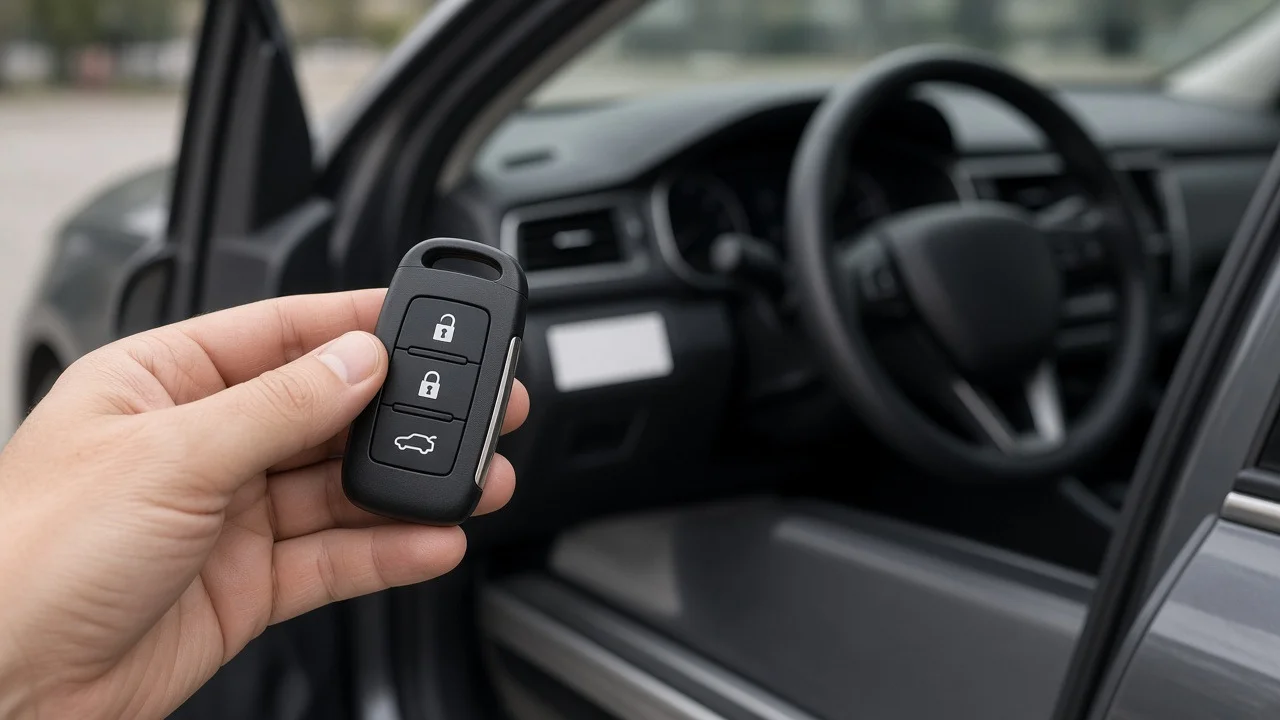
A keyless2go replacement can restore convenient access when a remote transmitter is worn, lost, or no longer responds reliably. The right choice depends on your vehicle's immobilizer system, the mechanical key or blade style, and how the replacement is prepared for key programming. Before ordering, confirm that the item matches the year, make, model, and FCC or IC identifier where applicable. When in doubt about vehicle compatibility or proof of ownership requirements, a mobile locksmith or dealer can verify the specific transmitter configuration. This focus helps avoid buying a well-made remote that cannot operate your door locks or start the vehicle.
The direct answer
For most shoppers, the immediate answer is that a keyless2go replacement may be the practical fix, but it is not automatically ready to use out of the box. The transmitter portion can often be matched to the vehicle through an onboard or scan-tool procedure, while the mechanical key must be cut to the lock cylinder. Some vehicles also require the replacement to be accepted by the immobilizer before the engine will start. A unit that looks correct but lacks the proper internal protocol will only add expense and delay.
The materially important condition is whether the replacement exactly matches the original remote transmitter type. Look beyond a similar case shape and compare button layout, frequency, blade groove, and any molded identifiers. Proof of ownership is commonly requested before programming assistance, especially when a locksmith or dealership is involved. If a roadside assistance provider is helping with a lockout, having the replacement and vehicle information ready can reduce the service call to a single visit.
Choosing and buying
Before committing, inspect compatibility more than appearance. A keyless2go replacement may be sold as a shell, a complete remote with uncut blade, or a refurbished-style transmitter, and each has different next steps. If only the plastic housing is broken but the internal board still works, transferring the electronics into a fresh shell may preserve the existing programming. If the remote is missing entirely, the replacement may need to be initialized with the vehicle's security system before it sends a recognized signal.
Total cost should include cutting the mechanical key, programming labor, and any trip or diagnostic fee. Ask whether the seller or installer confirms the replacement for your specific ignition type, especially if the vehicle uses a push-button start or a transponder chip separate from the remote board. Because model years can change mid-cycle, the same car name may use two different transmitters. A clear photo of the original key head or the vehicle identification number can help a supplier confirm the correct variant.
Comparing alternatives
When comparing alternatives, separate the convenience of remote locking from the security function of the immobilizer. A basic keyless2go replacement may unlock doors and release the trunk but still fail to start the engine if the vehicle does not recognize its chip. Another option may include a complete uncut transponder key that must be cloned from an existing working key. For cars that allow onboard programming, a less expensive aftermarket remote can perform like the original, while others require dealer-level equipment.
The best fit depends on how many working keys you currently have and how the vehicle stores access codes. If one working key remains, a duplicate may be simpler to prepare. If no working key is available, the situation shifts from buying a transmitter to proving ownership and arranging vehicle-specific programming. Choosing a supplier that accepts returns only while the blade remains uncut gives you a useful window to confirm compatibility before paying for cutting or programming.