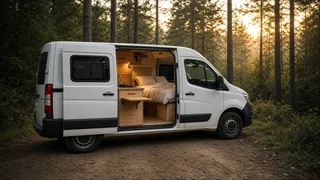
Chevy G20 van camper conversion
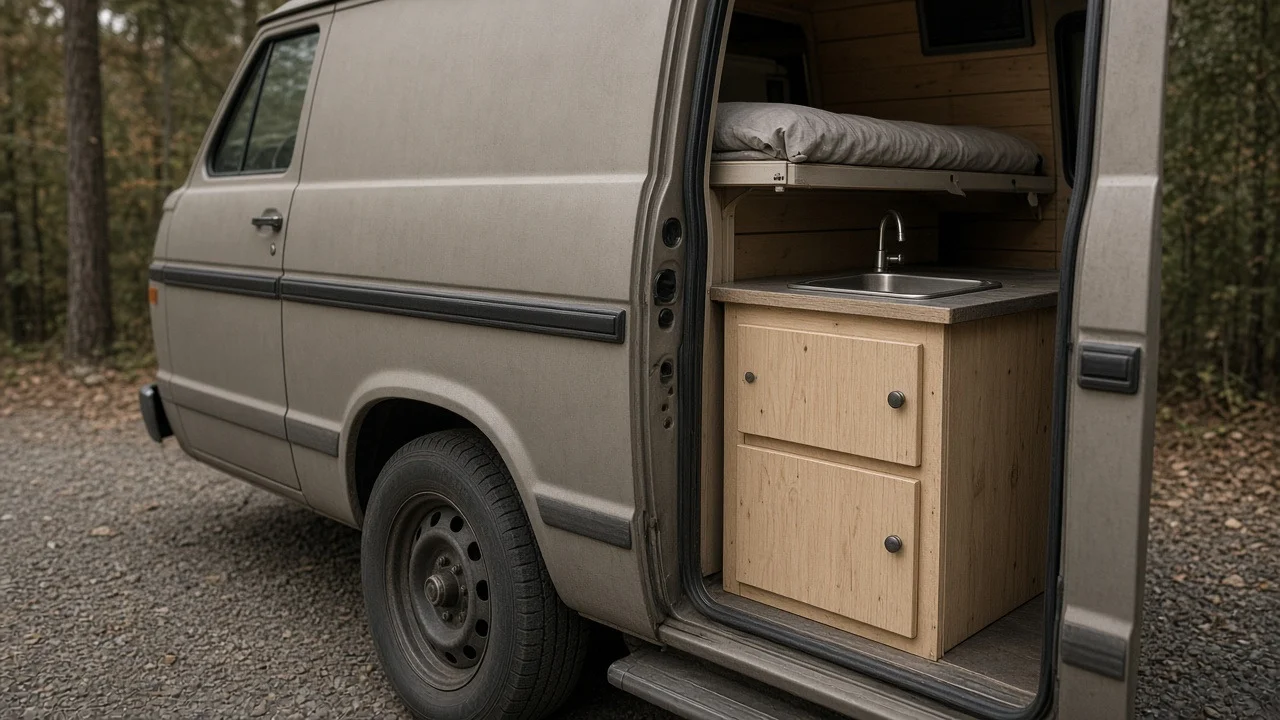
A Chevy G20 van camper conversion turns a durable full-size American van into a compact living space. The G20’s boxy body style, available V8 powertrain configurations, and long-running model generations give builders a straightforward platform. Unlike a modern high-roof van, this older design typically requires more careful space planning and insulation work. Understanding the model year, trim level, and market specification helps owners assess wiring, rust, and parts availability before planning the build. The result can be a simple weekender or a more complete self-contained travel van.
Essential answer
The essential answer is that a Chevy G20 conversion is a do-it-yourself or shop-built living space installed inside a rear-wheel-drive full-size van. The G20 was sold across several model generations and trim levels, so the starting point changes with the model year and body length. A conversion usually includes a sleeping platform, cabinetry, auxiliary power, and sometimes a simple water setup. The van’s broad floor and tall interior make a transverse bed possible for many adults, though vertical headroom remains the main limitation compared with a purpose-built RV.
Because the G20 predates modern driver-assistance electronics, many owners find the vehicle easier to modify than newer models. The powertrain configuration, often a small-block V8 or a straight-six depending on the year, affects how much weight the finished build can comfortably carry. More important is the body style and wheelbase, because they determine the usable floor area behind the front seats. Buyers should confirm whether a given van is a short or long version and inspect the floor, roof, and door seals before treating the vehicle as a sound conversion base.