Chevy Equinox, Traverse and Buick LeSabre EGR Valve: Location, Symptoms and Replacement
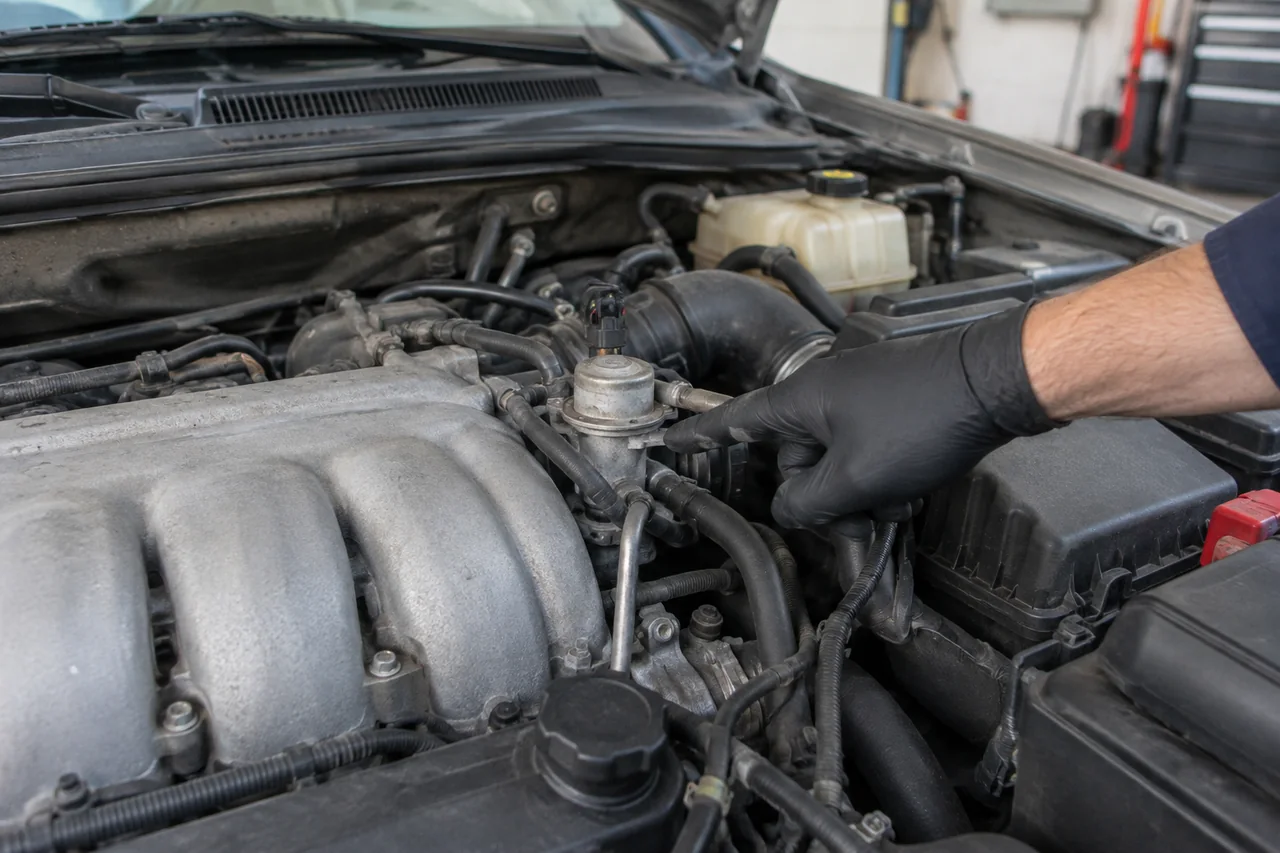
Exhaust gas recirculation (EGR) lowers combustion temperatures and NOx emissions, but when the valve or passages act up, you may face a rough idle, stalling, spark knock, or a check engine light. Owners of the 2007-2008 Chevy Equinox, Chevy Traverse, and 2001 Buick LeSabre often search for valve location and symptoms before buying parts. The correct fix depends on engine-specific design, because some of these vehicles use an external EGR valve while others handle recirculation internally through valve timing.
How the EGR System Works on These GM Models and Why Engine Choice Matters
Exhaust gas recirculation sends a metered amount of exhaust back into the intake to reduce peak combustion temperatures and control NOx emissions. The EGR valve opens under light to moderate load, allowing inert gas to dilute the air-fuel mixture without reducing power noticeably. If the valve sticks open, the engine may idle roughly or stall; if stuck closed, you might hear spark knock under acceleration and see an emissions test failure.
The Chevy Equinox EGR setup varies by engine and model year. Some engines have an external EGR valve bolted to the intake or exhaust, while others use variable valve timing for internal EGR and have no separate valve. Before looking for parts, confirm the exact engine from the VIN, the emissions label under the hood, or owner documentation. Common fail symptoms—rough idle, stalling, hesitation, spark knock, and a check engine light—overlap with many other faults, so do not assume the valve is the cause without diagnosis.
2007 Chevy Equinox EGR Valve: Finding It and Recognizing Problems
For the 2007 Chevy Equinox, the EGR valve location depends on whether the vehicle has the 3.4L V6 or another engine. Some 2007 models may not have an external valve at all. To avoid a pointless search, read the engine code from the emissions label or VIN before opening the hood. The label often states the engine family and displacement, which helps identify whether an EGR valve is even used on your specific powertrain.
With the engine off and cool, you can safely look for the valve by following the EGR tube or passage between the exhaust side and the intake. A typical external valve will have an electrical connector and a metal tube leading from the exhaust manifold area. Check for a loose or corroded connector, damaged wiring, or soot around the gasket area. A cracked vacuum line on older designs can cause poor operation. However, carbon buildup inside the valve or passages cannot be seen from outside, and a clogged passage can trigger flow codes even with a good valve. Always confirm the correct EGR valve for a 2007 Chevy Equinox by VIN or engine code, not by year alone.
2008 Chevy Equinox EGR Valve: What Owners Should Confirm Before Buying a Part
Engine options for the 2008 Equinox can vary by trim level, so the EGR setup and part fitment must be checked against your exact vehicle. Some 2008 Equinox engines use an external EGR valve; others do not. Do not assume one part fits all 2008 models. Gather the VIN, engine size, engine code, and any stored diagnostic codes before calling a parts counter or shop.
Drivability complaints that should prompt an EGR check include rough idle, stalling at idle, hesitation, spark knock, and an illuminated check engine light. But vacuum leaks, sensor faults, and ignition problems cause identical symptoms. Replacing the valve without diagnosis can waste money when the real fault is a restricted EGR passage, a wiring problem, or a control issue. A scan tool reading of the engine code and live data can separate valve movement problems from flow blockages.
Chevy Traverse EGR Valve Location: Checking Whether Your Engine Has One
Before hunting for an EGR valve on a Chevy Traverse, determine whether your model year and engine use an external valve or handle recirculation through variable valve timing. Many Traverse engines rely on cam phasing for internal EGR and have no separate component. The VIN, the underhood emissions label, or a service manual for your exact vehicle will settle this, preventing a wasted search or an incorrect part purchase.
If your Traverse does have a valve, with the engine cool you can identify it by following the connections between the exhaust side and the intake. Do not remove engine covers or components just to find it. Any EGR-related codes on a Traverse should be read with a scan tool, and their meaning should be confirmed against GM-specific service information. A code alone never proves the valve has failed; flow faults can come from blocked passages or signal issues.
2001 Buick LeSabre EGR Valve: Location, Symptoms and Common Checks
For a 2001 Buick LeSabre, confirm the engine from the VIN or emissions label before searching for the EGR valve. The Series II 3800 V6 typically has an externally mounted EGR valve, but service information for your exact model is the safest guide. Do not rely on a generic diagram that may show the wrong location for your underhood layout.
Older, higher-mileage LeSabres often develop EGR issues that show up as rough or unstable idle, stalling at stops, or pinging under acceleration. Carbon deposits build up inside the valve and passages over time, so cleaning or replacing the valve may not fix a flow fault if the passages are restricted. Safely check the connector and wiring for corrosion or damage, but live testing of EGR operation requires proper tools and is best left to a technician if you are not equipped.
Chevy Equinox EGR Valve Replacement: What the Job Involves and When to Use a Shop
EGR valve replacement generally involves confirming the diagnosis, letting the engine cool completely, disconnecting the electrical connector, unbolting the valve, cleaning the mounting surface, installing a new gasket and valve, then clearing codes and verifying the repair. Exhaust parts stay extremely hot after driving, and corroded or seized fasteners can break easily. If anything does not come off smoothly, stop and seek professional help to avoid damage.
Using a new gasket is important because leaks at the mounting flange can cause false EGR flow readings and vacuum issues. Part fitment must be confirmed by VIN; do not assume cross-compatibility between model years or engines. After replacement, confirm the check engine light stays off through several drive cycles, drivability improves, and the readiness monitors complete before an emissions test. A professional is the better choice when codes recur, passages are clogged, wiring or control faults are likely, or you lack a suitable scan tool.
Reading EGR Trouble Codes Correctly and Knowing the Limits of DIY Diagnosis
EGR-related trouble codes should be read with a scan tool, but their exact meaning can vary between GM vehicles. What one code means on a 2008 Equinox may differ on a Traverse or LeSabre. Check the code against vehicle-specific GM service information before acting. Flow codes point to too little or too much recirculation, while circuit or position-sensor codes indicate an electrical problem—each requires a different test path.
Record freeze frame data, note when the check engine light comes on, see whether the code returns after clearing, and list any symptoms that appear at the same time. A professional adds live data on commanded versus actual valve position, flow checks, circuit testing, and passage inspection. Guessing at parts is less reliable than diagnosis, especially when carbon buildup or wiring faults mimic a failed valve.