Chevy 350 TBI EGR Valve: Location, Vacuum Line Routing and Testing
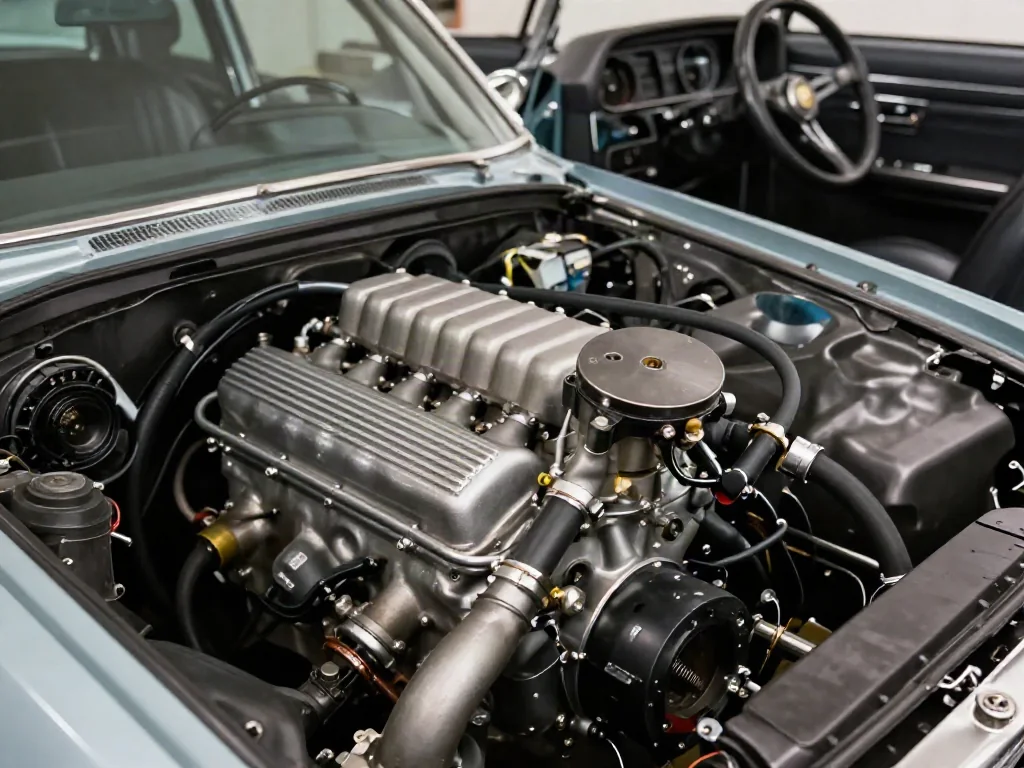
Wondering where the 350 TBI EGR valve lives or how its vacuum lines route? On a 5.7L Chevy with throttle body injection, the exhaust gas recirculation valve is a key emissions piece that can cause rough idle or spark knock when faulty. Here’s a practical guide to its location, vacuum diagram reading, failure symptoms, safe checks, and replacement choices for your Chevy 350.
What the EGR Valve Does on a 5.7L Chevy 350 TBI Engine
The EGR valve on a 5.7L Chevy 350 TBI engine routes a small amount of exhaust gas back into the intake manifold. This dilutes the air-fuel mixture with inert gas, lowering peak combustion temperature. Because NOx emissions form rapidly at high heat, this recirculation directly reduces smog-causing oxides of nitrogen. On throttle body injected 350s, the valve’s action also helps the engine run smoother and cooler under load.
Normally the valve is closed at idle and when the engine is cold. During light-to-moderate load, such as steady highway cruise, the valve opens. TBI-era 350s use different control strategies: some rely on ported vacuum from the throttle body, others use an ECM-controlled EGR solenoid, and some have a backpressure transducer built into the valve. Confirming your exact setup matters because diagnostics and replacement differ.
Where to Find the EGR Valve on a Chevy 350 TBI
Most Chevy 350 TBI engines mount the EGR valve on the intake manifold, near the throttle body. The valve is a round, disc-shaped diaphragm housing with a vacuum line attached to its top. Depending on the year and body style, you may find it toward the front or rear of the manifold. Physical location can vary between trucks, vans, and passenger cars, even with the same 5.7L engine.
For a quick visual check with the engine off and cool, use a flashlight and a small mirror. Air cleaner housings, throttle cables, and brackets often block a direct view. Rather than relying on photos from other vehicles, confirm against a factory service manual or the original emissions label. Matching your specific year, model, and emissions package prevents misidentifying nearby vacuum-controlled components.
Reading the 5.7 Chevy 350 TBI EGR Vacuum Line Diagram
The Vehicle Emission Control Information (VECI) label under the hood is the best starting point for vacuum line routing. It shows a simplified diagram of hoses, solenoids, and the EGR valve for your specific vehicle. Symbols indicate vacuum sources, electrical connectors, and check valves. Reading the label carefully tells you whether your 350 TBI uses a simple line from the throttle body or a more complex circuit.
Typical components in this system include a vacuum source on the throttle body or manifold, an EGR solenoid, a backpressure transducer, and the valve itself. Routing differs between federal and California emissions versions, and between trucks, vans, and cars. Before disconnecting any hose, label each line, take photos, and inspect for cracks or collapse. If the label is missing, use year- and emissions-specific service information—never a diagram from another model.
Symptoms of a Stuck or Failing Chevy 350 EGR Valve
A stuck-open EGR valve can make the engine idle roughly, stumble, or even stall because exhaust gas dilutes the mixture at idle. However, vacuum leaks, dirty throttle bodies, or fuel delivery problems can create identical symptoms. A valve that won’t open or a carbon-blocked passage often produces spark knock or pinging under load, along with elevated NOx readings during an emissions test.
An OBD-I trouble code on a TBI system may point to the EGR circuit, but codes are not proof of a failed valve. Wiring faults, a bad solenoid, or a cracked vacuum hose can set the same code. Since definitions vary by year and calibration, verify the code in service information for your exact model. Remember: symptoms only narrow the problem—they do not identify the faulty component.
Safe Basic Checks for a Chevy 350 EGR Valve
Before any hands-on inspection, let the engine cool completely. EGR valves, the intake manifold, and nearby exhaust parts get hot enough to burn skin; fans and belts can start unexpectedly. Do visual checks only with the engine off. Look for cracked or loose vacuum hoses, signs of carbon around the valve base, and intact wiring to the EGR solenoid and any related sensors.
A hand vacuum pump can test whether the EGR diaphragm holds vacuum. Pump down the valve and watch the gauge: a diaphragm that leaks causes the vacuum to fall, suggesting an internal tear. But be cautious—backpressure-type valves often won’t hold vacuum on a bench and still work correctly. If results are unclear, or you need checks on a running engine, seek professional testing to avoid misdiagnosis.
Choosing a Replacement EGR Valve and When to Call a Professional
When replacing a 350 TBI EGR valve, match the part by year, engine, emissions package, and original part number. Valves are calibrated for specific flow rates; a visually identical unit may cause drivability issues. Also inspect the EGR gasket and mounting surfaces. Carbon buildup in the manifold passages can restrict flow and ruin a new valve’s operation, so check them before final assembly.
Removing or disabling EGR components often violates emissions laws, triggers a check engine light, and causes failed inspections. The engine may also knock under load without recirculation. If you face seized fasteners, suspect blockage inside the intake manifold, need control circuit diagnosis, or must pass an emissions retest, a professional shop is the safer and more reliable choice.