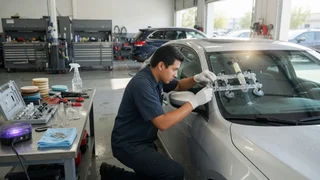
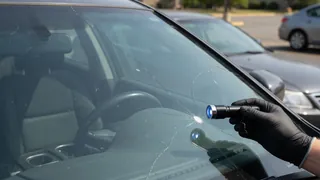
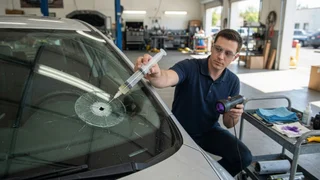
Cheapest Auto Glass Repair: How to Get Car Glass Repaired Without Overpaying
The cheapest auto glass repair is almost always a prompt resin repair of a small windshield chip or short crack. It typically costs far less than replacing the glass, and many insurance policies with comprehensive coverage pay for it with little or no out-of-pocket cost. Three conditions change that answer. First, side and most rear windows are made of tempered glass, which shatters rather than chips, so they can only be replaced. Second, damage that is large, spreading, at the edge of the windshield, or in the driver's direct line of sight usually rules out repair. Third, if your windshield carries cameras or sensors for driver-assistance features, a replacement may need recalibration, which adds cost and limits which shops can do the job properly. This guide explains how to judge your damage, what separates a cheap job that is good value from one that only looks cheap, and what to ask before you book. The principles are the same whether you need car broken glass repair in a US city, are comparing car glass repair in Kitchener, or are looking at car window repairs in Rotorua. Local prices, insurance rules and regulations differ, so check them where you live.
Repair or Replace: The Decision That Sets the Price
Windshields are made of laminated glass: two layers of glass bonded to a plastic interlayer. When a stone hits the outer layer, the damage usually stays in that layer. A technician can inject resin into the chip, cure it, and restore much of its strength and clarity. Side and rear windows are usually tempered glass, which is heat-treated to break into small, blunt pieces. There is nothing left to fill, so a broken side or rear window always means a replacement pane.
Situation | Usual outcome | Cost tendency; Small chip (bullseye, star or combination break) away from the edges | Resin repair | Lowest; Short single crack that has not reached the edge | Often repairable; depends on the shop and the crack | Low to moderate; Long crack, crack reaching the edge, or several damage points | Windshield replacement | Higher; Damage in the driver's primary viewing area | Often replacement, because repairs can leave visible distortion | Higher; Shattered side window or rear window | Replacement of the tempered pane | Moderate to higher, depending on the vehicle; Windshield with cameras or sensors behind the glass | Replacement plus possible recalibration | Highest
Shops apply their own limits for what they will repair. Size, depth, location and the age of the damage all matter. A chip that has collected dirt and moisture for months is harder to fill cleanly than a fresh one. That is why acting quickly is the most reliable way to keep the job cheap.
How to Assess the Damage Before You Call
You do not need a diagnosis to get a quote, but a few observations help you describe the damage accurately and spot a shop that is overselling. Record what you can see, and leave the final call on repairability to a technician who can inspect the glass in person.
Identify which glass is damaged: windshield, front door glass, rear door glass, quarter glass or back glass. Note the type of damage: a round or star-shaped chip, a single crack line, or broken glass. Check the location: near the edge or frame, in front of the driver, or behind the rearview mirror where cameras and sensors are often mounted. Watch for growth. A crack that lengthens over a day or two, especially after temperature changes or rough roads, is unlikely to stay repairable. Look for related damage. Rattling glass, a window that will not move, or wind noise after a break-in can point to a damaged regulator, track or seal, not just broken glass. Note whether any warning lights or driver-assistance messages appeared after the damage or after earlier glass work.
Fix a dashboard warning before you assume the glass is the cause. A driver-assistance warning after a windshield replacement can mean the camera needs recalibration, but it can also come from an unrelated fault. Have the system scanned and interpreted by someone familiar with your vehicle. A fault code alone does not prove that a specific part needs replacing.
When to Stop Driving or Act Immediately
Small chips outside your line of sight usually allow normal driving until the appointment, as long as you avoid slamming doors, aiming the defroster at the chip on a cold windshield, or using car washes that blast the glass. Some situations call for a faster response.
A crack that blocks or distorts your view of the road. Visibility is the primary safety concern, and many jurisdictions restrict driving with obstructed windshields. A crack that is spreading quickly or has reached the edge of the windshield. The windshield contributes to the vehicle's structural support and airbag performance, so a compromised one should be replaced promptly. A shattered side or rear window. Remove loose glass carefully, cover the opening with heavy plastic and tape as a temporary weather barrier, and avoid highway speeds with the opening covered. Glass that has partly separated from the body or moves when pressed. This points to a failed bond, not just cracked glass, and the vehicle should be inspected before normal use.
What Actually Makes Auto Glass Repair Cheap or Expensive
The lowest quoted number is not always the cheapest outcome. A replacement that leaks, whistles or needs redoing costs more in the end. These factors drive the real price.
Glass specification. Two windshields for the same model can differ by tint band, acoustic interlayer, heating elements, rain-sensor mounts, head-up display compatibility or camera brackets. The correct part is tied to the model year, market, trim and installed options, not just the model name. Glass source. Original-equipment (OEM) glass comes from the vehicle maker's supplier. Equivalent or aftermarket glass is built to fit the same opening and often costs less. Quality and optical clarity vary between suppliers, so ask what brand is being quoted. Calibration. If the vehicle has a forward-facing camera or sensors mounted to the windshield, the manufacturer may require static or dynamic calibration after replacement. Some shops do this in-house. Others send the car to a dealer, which can add a separate charge and an extra appointment. Moldings, clips and seals. Some vehicles need new trim moldings or clips with every replacement because the originals do not survive removal. A quote that leaves these out may grow later. Service location. Mobile service is convenient, but weather and humidity affect adhesive curing, and calibration usually needs a controlled shop environment. Insurance terms. Glass claims are often handled differently from other claims. Some policies cover chip repair without a deductible, and some states have rules on glass coverage. Check your own policy before you assume you will pay full price.
Replacement Quality Checks That Protect a Cheap Job
Windshields and most fixed glass are bonded with urethane adhesive, not just pressed into a rubber gasket. A good installation depends on preparing the sealing surface, which is the painted flange of the body where the adhesive bead sits. Old adhesive should be trimmed to an even base, bare metal should be primed to prevent rust, and the primer and adhesive need to work together. Adhesive compatibility matters because mixing products from different systems can weaken the bond.
Ask which adhesive system the shop uses and what its safe drive-away time is for the expected temperature and humidity. This waiting time varies by product and conditions, and driving too soon can let the glass shift. Confirm fitment: the new glass should sit evenly in the opening, with consistent gaps to the trim and no sharp lines of distortion when you look through it. For door glass, check that the window seats correctly in its channels and that the mounting points on the regulator are secure. A window that tilts, binds or rattles was not attached correctly. Ask whether broken glass will be vacuumed from the door cavity, seats, vents and carpets after a side-window replacement. Leftover shards can cause rattles or jam the regulator. Check for rearview mirror, rain-sensor and camera mounts in the right place, and confirm that heated elements, antennas and defroster grids still work.
How to Compare Quotes for Cheap Auto Glass Repair
Give every shop the same information so the quotes are comparable: year, make, model, trim, the vehicle identification number (VIN), which glass is damaged, and any features near the damage such as cameras, sensors, heating, tint or a head-up display. The VIN lets a shop identify the right glass specification more reliably than the model name alone.
Is this a repair or a replacement, and why? Which glass brand and part are being quoted, and is it OEM or aftermarket? Are moldings, clips, primer, adhesive and disposal included? Is recalibration needed, who performs it, and is it included in the price? Is there a mobile service fee, and can calibration be done on-site? What warranty covers leaks, wind noise, stress cracks from installation and workmanship, and for how long? Can the shop bill your insurer directly, and what will you owe after the claim?
Be wary of quotes that cannot name the glass being installed, skip calibration on a camera-equipped windshield without explaining why, or push replacement for a small chip without inspecting it. The opposite is also a warning sign: a shop agreeing to repair a long crack in your line of sight may leave you with a distorted view and a repair that fails.
Is a DIY Chip Repair Kit Worth It?
Retail resin kits are the cheapest route for a small, fresh chip outside the driver's view. Results depend on how clean and dry the chip is and how carefully the resin is applied. A DIY repair can stop a chip from spreading, but it often leaves a more visible mark than a professional repair. A poor first attempt can also make a later professional repair harder. If your insurance would cover a professional chip repair at little or no cost, that is usually the better option. DIY kits are not suitable for cracks of any real length, edge damage, or broken side and rear glass.
Choosing Your Next Step
If you have a small windshield chip, book a repair soon. Check your insurance first, since chip repair is often the most affordable glass work available. If the windshield is cracked beyond repair, or a side or rear window is broken, get two or three itemized quotes using your VIN and compare glass source, calibration, included parts and warranty, not just the total. A cheap job is one that fits correctly, seals properly, keeps your driver-assistance systems working and does not need to be done twice.