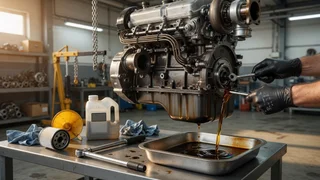
Caterpillar engine oil pressure specs
Low oil pressure in a Caterpillar engine is a warning that demands immediate interpretation, not guesswork. A gauge reading or diagnostic event indicates that lubricant delivery may have fallen below the expected envelope for your specific serial number and configuration. Because Caterpillar produces many engine families for different duty cycles, acceptable pressure varies with speed, temperature, and application. Understanding how specifications are defined helps you separate normal behavior from a developing restriction, delivery problem, or worn internal clearance before continued operation causes avoidable damage.
Essential answer
There is no single universal oil pressure figure that applies to every Caterpillar engine. The relevant specification is tied to the engine arrangement, serial number prefix, operating speed, and oil temperature. A cold engine may show higher pressure because the lubricant is more viscous, while a fully warmed engine at low idle commonly displays a lower reading that can still be normal. The useful approach is to compare observed gauge values against the acceptable range for that specific configuration under the match of rpm and temperature in which the measurement is taken.
Oil pressure should also be interpreted as part of a system rather than as one isolated number. Worn main and rod bearings, a faulty pressure regulator, a restricted pickup screen, or an inaccurate sending unit can all shift the displayed value. Before changing parts, confirm the measurement with a known test gauge and note whether the reading falls steadily, fluctuates with engine speed, or drops only when the oil thins at operating temperature. Those patterns point toward different root causes and help guide a defensible next step.