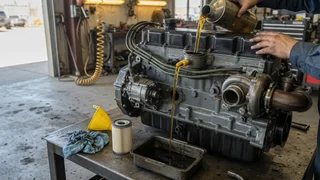
Caterpillar 3126 Oil Capacity: How to Find the Right Figure for Your Engine
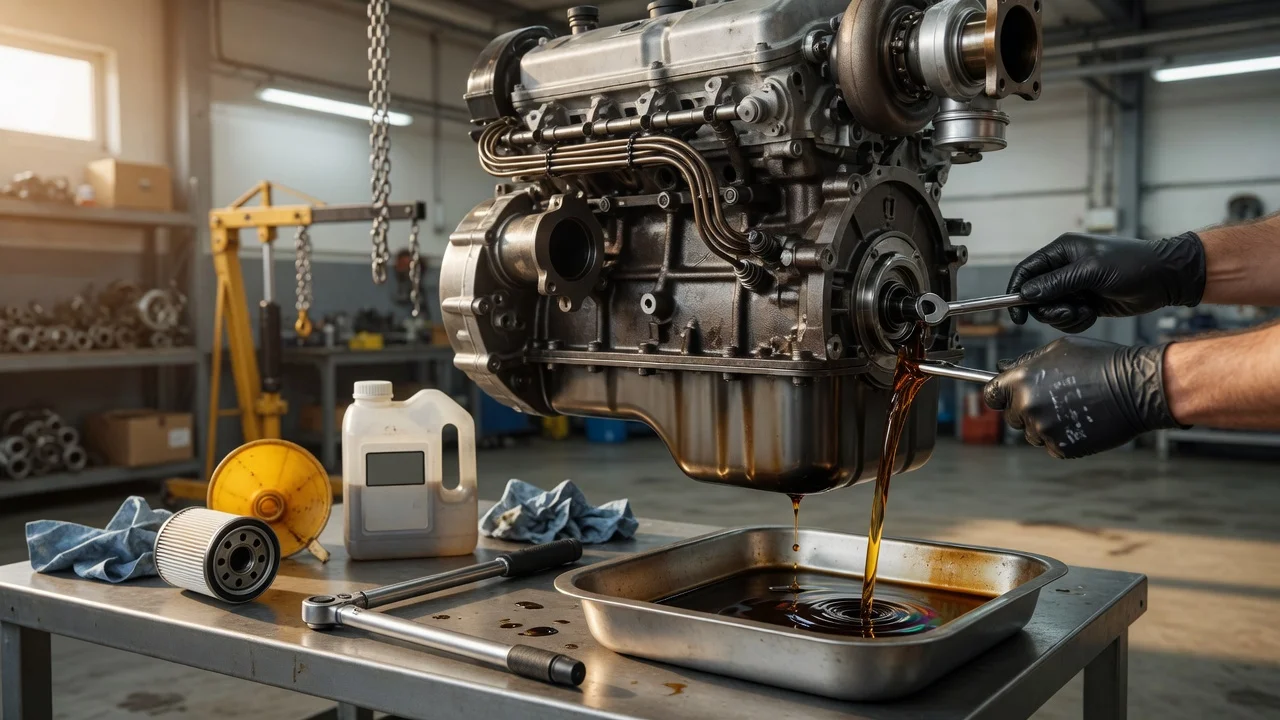
The Short Answer
The Caterpillar 3126 does not have one oil capacity that applies to every engine. The amount of oil it takes depends mainly on the oil pan (sump) fitted to the engine, and the pan was chosen to suit the vehicle or equipment the engine went into. The same engine family can therefore have different refill amounts in a medium-duty truck, a school bus, a motorhome, a boat or an industrial machine.
No verified capacity figure was available for this article, so it does not quote a specific number of quarts or liters. Treat any single number you see without a stated configuration with caution. The reliable source is the Refill Capacities section of the Caterpillar Operation and Maintenance Manual for your engine's serial number, or the chassis or equipment manufacturer's service manual. Use those figures together with the dipstick.
What the 3126 Is and Why Capacity Varies
The 3126 is a 7.2-liter inline six-cylinder diesel built by Caterpillar. It was widely used in medium-duty trucks, buses, recreational vehicles, marine installations and industrial equipment. You will see it referred to as the 3126, 3126B or 3126E, and these labels reflect changes made during production. Caterpillar's later C7 engine is closely related and looks similar, but it is a different model, so do not use its documentation for a 3126.
Several factors affect how much oil a given 3126 takes:
Oil pan design: shallow, deep, front-sump and rear-sump pans are shaped to clear different chassis and hold different volumes. Application: truck, bus, RV, marine and industrial installations can each use a different pan and dipstick arrangement. Filter change: a refill that includes a new oil filter takes more oil than a refill without one. Manuals often list these figures separately. Added equipment: remote filter mounts, bypass filtration or extra oil lines in some installations add volume beyond the base engine figure.
How to Identify Your Engine and Find Its Specification
To get the right capacity, first confirm exactly which engine and configuration you have. Check any location details below against the documentation for your vehicle, because mounting positions differ between installations.
Engine information plate: look for a Caterpillar identification plate or label on the engine, commonly on the valve cover or the side of the block. It shows the engine model and serial number. Serial number: Caterpillar documentation, including the Operation and Maintenance Manual and parts listings, is organized by serial number. This is the most dependable way to get the refill capacity for your specific engine. Model designation: note whether the plate reads 3126, 3126B or 3126E, and make sure the engine is not actually a C7. Vehicle or equipment documentation: the truck, bus, RV or boat builder's owner or service manual may list the crankcase capacity for the pan used in that chassis. Dealer lookup: a Caterpillar dealer can usually confirm the configuration and refill capacity from the serial number.
Using the Dipstick to Confirm the Level
Even with a documented figure, the dipstick has the final say. A pan's volume and the oil left in the engine after draining can differ from the nominal number. The dipstick is matched to the oil pan, so if a pan or dipstick has been swapped, the markings may not read correctly. In that case, check the parts against the documentation.
Park on level ground before draining or checking. After an oil and filter change, add somewhat less than the listed refill amount, then check the dipstick. Run the engine briefly so the new filter fills, shut it down, and let the oil drain back to the pan before checking again. Top up gradually until the level sits within the safe range marked on the dipstick. Do not fill above the upper mark.
Information Gaps to Keep in Mind
This guide does not provide a specific capacity, oil grade or service interval for the 3126, because verified figures for particular configurations were not available. Recommended oil specifications and viscosity can also depend on operating temperature and production era, so confirm them in the same manual you use for the capacity. If the manual is missing, giving the engine serial number to a Caterpillar dealer is the most direct way to get documented figures.