Cars under $10,000

The short answer
In the US, a $10,000 budget is mostly a used-car budget. At that price, a car's individual condition and history usually matter more than its make or model. A well-maintained, less fashionable car can be a better buy than a popular model that has been neglected. Two things change the answer most: whether $10,000 has to cover taxes, registration and dealer fees as well as the sale price, and whether you have money left over for repairs soon after you buy.
This article does not list current prices or name models that sell under $10,000. No pricing or market data was available to support those claims, and used-car prices vary by region, time and individual vehicle. Check current local listings and valuation guides before setting your target.
Start with how you will use the car
Narrow your search by use case before you compare listings. This keeps you from paying for capability you don't need, or buying a car that doesn't fit your daily routine.
Commuting and errands: fuel economy, comfort and low running costs usually matter most. Family or cargo use: check rear-seat space, cargo volume, and child-seat anchor points (often called LATCH). Winter weather or rough roads: decide whether you need all-wheel drive or four-wheel drive, or whether front-wheel drive with good tires is enough. Towing or hauling: confirm the rated towing capacity for the exact configuration you are considering. Long highway trips: give priority to a strong maintenance record, plus noise and seat comfort on a test drive.
Specifications such as fuel economy, towing capacity, drivetrain and safety equipment can differ by model year, trim and engine or transmission, even within one model name. Confirm each figure for the specific vehicle, ideally from its VIN (the 17-character vehicle identification number) or the manufacturer's documentation for that exact year and trim. Don't rely on a general model summary.
Budget for the full cost, not just the sale price
Sales tax, title, registration and any dealer documentation fees, which vary by state and seller. Insurance, which can differ widely between vehicles. Get a quote before you commit. Immediate maintenance, such as tires, brakes, fluids, battery or overdue scheduled service. A repair reserve for problems that appear after purchase, which is more likely on older, higher-mileage cars. Financing costs if you borrow. The interest rate on a used-car loan can add significantly to the total paid.
If the full cost must fit within $10,000, your target sale price will need to be lower than $10,000.
What to check before you buy
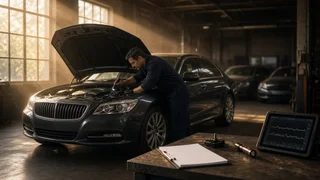
Vehicle history report: look for accident records, title problems, odometer inconsistencies and the number of previous owners. Title status: confirm the title is clean, and be cautious with salvage, rebuilt or flood-branded titles. Make sure the seller's name matches the title. Open safety recalls: look up the VIN in the NHTSA recall database. Recall repairs are generally done free at a franchised dealer for that brand. Maintenance records: receipts for oil changes and major services suggest the car was cared for. Pre-purchase inspection: pay an independent mechanic to inspect the car before you agree to buy. A seller who refuses this is a warning sign. Test drive: check cold starting, smooth shifting, straight braking, steering feel, warning lights, and any unusual noises, smells or leaks. Rust and body condition: check the underbody, wheel arches and door bottoms, especially on cars from areas that use road salt.
Dealer or private seller
Federal rules require dealers to display a Buyers Guide on used cars. It states whether the car is sold with a warranty or as is. As is means you accept responsibility for repairs after the sale. Private sales are usually as is, offer fewer protections and may involve less paperwork help, but the price can be lower. With either type of seller, get any promises in writing and make sure the title transfer is completed correctly under your state's rules.
Next step
Write down your main use case and your all-in budget, then shortlist vehicles that match. For each serious candidate, get the VIN, check its history and recalls, and book an independent inspection before you negotiate. If a car fails any of those checks, move on to the next one.