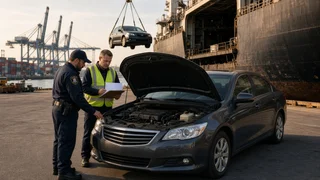
Car Imports from Mexico: What It Takes to Bring a Vehicle into the US
The short answer
Bringing a car from Mexico into the United States for permanent use is possible, but it is not just a matter of driving it across the border. The vehicle must meet US federal safety and emissions requirements, or qualify for an exemption, and it must be formally entered through US Customs and Border Protection (CBP). Whether a particular car can be imported easily, imported only after modification, or not imported practically at all depends mostly on how it was originally built and certified, not on where it was assembled.
Why "made in Mexico" and "bought in Mexico" are different situations
Many vehicles sold new in the US are assembled in Mexico. Those cars are built to US specifications and are certified by the manufacturer for the US market before they arrive, so the import process is handled by the automaker and is invisible to the buyer.
A car built for and sold in the Mexican market is a different case, even if it carries the same model name as a US version. Mexican-market versions can differ in equipment, emissions hardware, lighting, labeling and other details. If the vehicle was not certified by its manufacturer as meeting US standards, an individual importing it takes on the burden of proving compliance or qualifying for an exemption.
The agencies and rules involved
Agency | Role in a vehicle import; US Customs and Border Protection (CBP) | Processes the formal entry of the vehicle, collects any applicable duty and checks that the required safety and emissions declarations are filed; National Highway Traffic Safety Administration (NHTSA), part of the Department of Transportation | Enforces the Federal Motor Vehicle Safety Standards (FMVSS), the federal safety rules a road vehicle must meet; Environmental Protection Agency (EPA) | Enforces federal emissions standards for vehicles entering the country
In practice, the importer typically files a customs entry along with a DOT declaration (form HS-7) covering safety compliance and an EPA declaration (form 3520-1) covering emissions compliance. Some states, notably California, apply their own emissions requirements on top of federal rules, which can affect whether a car can later be registered there.
The three common pathways
US-certified vehicle: The car carries the manufacturer's US safety certification label (usually on the driver's door jamb) and a US emissions label (usually under the hood). This is generally the simplest case, because compliance is already documented. Nonconforming vehicle: The car was not built to US standards. For safety compliance it generally must be handled by a NHTSA-registered importer, a business authorized to modify and certify such vehicles, and only if the model has been determined eligible for import. Emissions compliance must also be addressed. This route can be costly, and some models are not eligible at all. Age-based exemptions: Under federal rules, vehicles at least 25 years old are exempt from FMVSS compliance, and EPA has a separate age-based exemption for older vehicles. Classic and collector cars often enter through these exemptions, though the paperwork still has to be filed.
Temporary entry versus permanent import
Visitors driving a Mexican-registered car into the US for a short stay are treated differently from someone bringing a vehicle in to keep, register and drive in the US. The requirements described above apply to permanent importation. Anyone planning an extended stay or a change of residency should confirm which category applies before crossing, because a car admitted temporarily cannot simply be converted into a permanent import without meeting the full requirements.
What to confirm before buying a car in Mexico
Check the labels: look for the US safety certification label and US emissions label; their absence is a strong sign the car is a Mexican-market version. Confirm eligibility: if the car is not US-certified and is under the age exemption, verify that the specific model and year are eligible for import through a registered importer. Verify title and ownership: make sure the seller can provide clear ownership documents and that the vehicle has no outstanding liens or theft reports, since CBP and state agencies will examine them. Ask about duty: confirm the current duty and any tariffs that apply to the vehicle with CBP or a licensed customs broker, as trade rules for vehicles have changed in recent years. Check your state: confirm that your state's registration and emissions rules will allow the car once it is federally cleared.
Gaps in this overview
No verified figures for import costs, duty rates, registered-importer fees, processing times or model-specific eligibility were available for this article, so none are given here. Those details vary by vehicle and can change with regulations and trade policy. Before committing to a purchase, confirm them directly with CBP, NHTSA, EPA or a licensed customs broker.