Car Fuel Injectors: How They Work
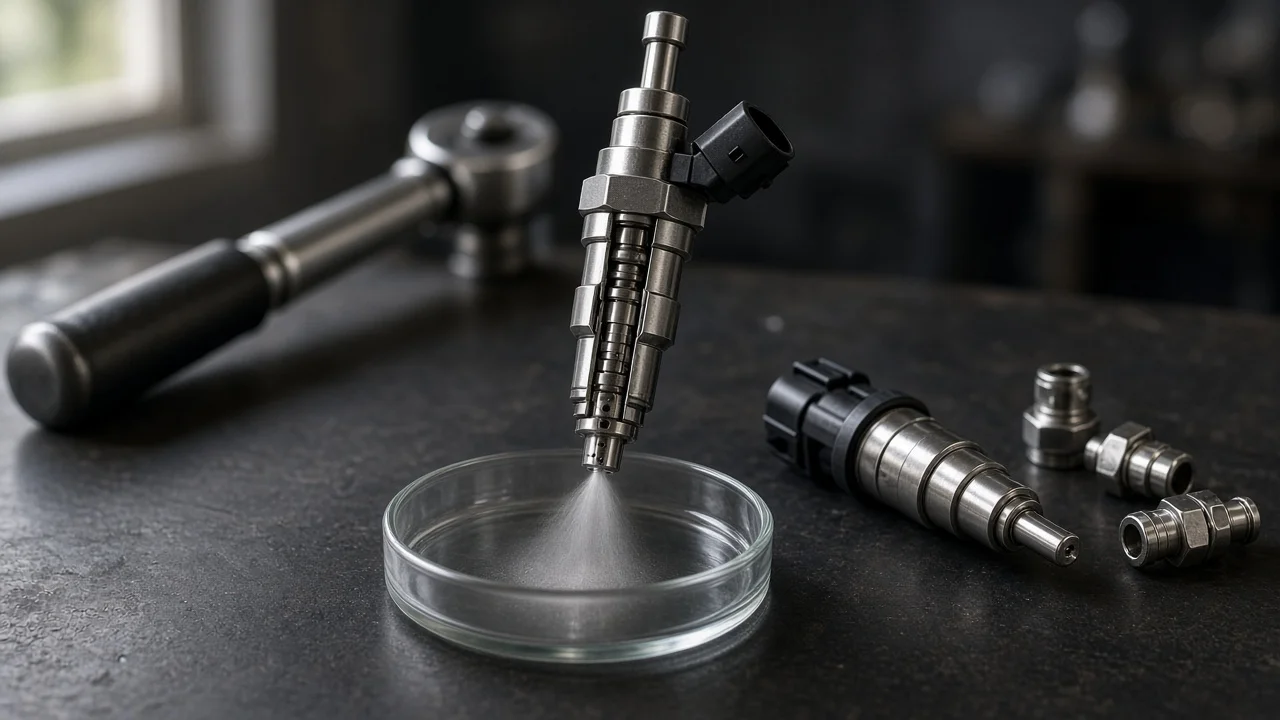
Fuel injectors are small, electrically controlled valves that deliver fuel into a car's engine in precisely measured amounts. If you want to know what fuel injectors in a car actually do, or whether they could explain a rough idle or falling fuel economy, the answer depends on how your engine is built and what fuel it burns. This guide explains how injectors work, what changes between gasoline and diesel systems, and what an owner can reasonably check without risking a high-pressure fuel leak.
What fuel injectors do in a car
An injector is a valve that opens on command from the engine control unit and sprays pressurized fuel as a fine mist, so it mixes with air and burns completely. The engine computer decides how long each injector stays open, adjusting continuously based on airflow, engine speed, load, coolant temperature and oxygen sensor feedback. Because the fuel waiting behind the valve is held at a controlled pressure, the opening time largely determines how much fuel enters each cylinder. Almost every modern passenger car uses fuel injection rather than a carburetor. One important qualification: injectors are only one part of the fuel system. They rely on the fuel pump, the fuel filter, pressure regulation and the control unit, so a fuel-related symptom does not automatically mean an injector has failed.
How an injector meters fuel
Inside a typical gasoline injector is a spring-loaded needle or pintle pressed against a seat. When the control unit energizes a solenoid coil, the magnetic force lifts the needle, fuel flows through a precision nozzle, and the spring snaps the valve shut as soon as the current stops. The length of that opening is called the pulse width, and it changes many times per second as driving conditions change. Some injectors, particularly in diesel engines and certain direct-injection gasoline engines, use a piezoelectric element instead of a solenoid. These switch faster and allow several small injections within a single combustion cycle, which helps smooth combustion, reduce noise and control emissions.
Fuel pressure and spray quality matter as much as timing. The fuel pump sends fuel through the filter to a rail that feeds the injectors, and a regulator or the control unit holds pressure where the engine calibration expects it. If pressure drops, each pulse delivers less fuel than the computer intended. A clean nozzle produces a fine, evenly shaped spray; deposits can distort it into streams or drips that burn poorly. To correct small errors, the engine computer reads the oxygen sensors and adjusts fuel trim, adding or removing fuel to keep the mixture on target. Persistently large trim corrections suggest the engine is compensating for something, although vacuum leaks and sensor faults can produce similar readings.
What changes the answer: injection type and fuel
With port fuel injection, each injector sits in the intake manifold and sprays toward the back of the intake valve, where fuel and air mix before entering the cylinder. These systems run at relatively modest pressure, generally in the tens of psi, and the passing fuel helps keep intake valves clean. Older throttle body systems used one or two injectors mounted above the throttle plate instead of one per cylinder. Gasoline direct injection works differently: injectors spray straight into the combustion chamber, so an engine-driven high-pressure pump raises fuel pressure into the thousands of psi. Some engines combine both port and direct injectors to gain the advantages of each.
Diesel engines with common rail injection operate at even higher pressures than gasoline direct injection and depend on diesel fuel for lubrication of the pump and injectors, which makes water or dirt contamination especially damaging. Fuel quality, ethanol content in gasoline blends and cold starts also influence how injectors behave, since the computer enriches the mixture when the engine is cold. Engine configuration matters for diagnosis and access as well. An inline engine with a single exposed rail is far easier to inspect than a V engine with injectors buried under the intake manifold, and the number of cylinders affects how noticeable one weak injector feels.
Symptoms that can point toward injectors
A faulty or dirty injector can cause a rough or uneven idle, a misfire concentrated on one cylinder, hesitation under acceleration, hard starting, reduced fuel economy, black smoke on diesels or a raw fuel smell. The check engine light may show misfire, lean or rich mixture, or injector circuit codes. None of these signs is unique to injectors. Ignition coils, spark plugs, vacuum leaks, a weak fuel pump, a clogged fuel filter or a faulty sensor can create the same complaints, which is why testing comes before replacing parts. A circuit code, for example, may trace back to wiring or a connector rather than the injector itself.
What the owner can do
If you suspect the fuel injectors for your car, start with information rather than parts. Read stored trouble codes with a scan tool, and if it shows live data, note the short-term and long-term fuel trim values at idle and at steady cruising speed. Record when symptoms appear: cold or warm, idle or load, after refueling or at random. For a visual leak check, let the engine cool, switch it off and look around the fuel rail, injector bodies and seals for wetness or residue, and pay attention to any fuel odor. Do not loosen fittings or open lines to investigate; residual pressure stays in the system after shutdown. If you smell fuel or see a leak, stop driving and have the car inspected promptly, because leaking fuel near a hot engine is a fire risk.
Basic care helps injectors last. Use the fuel grade and type specified for your engine, refuel at busy stations and replace the fuel filter on schedule where it is a serviceable item, since many modern filters are built into the in-tank pump assembly. Treat fuel system cleaners with realistic expectations. A detergent additive used as directed may help with light deposits in some engines, but it is not a proven repair. It cannot fix an electrical fault, a worn needle or a leaking seal, and in direct-injection engines it does not reach intake valve deposits because fuel never passes over those valves. Diesel owners should use only products intended for diesel fuel.
Limitations and next step
Injector designs, pressure specifications, electrical values and service procedures vary widely between engines, so general explanations only go so far. Confirming an injector fault usually requires professional tests: measuring fuel pressure with the correct equipment, running an injector balance or contribution test with a capable scan tool, checking the electrical signal and, when needed, flow or leak-down testing on the bench. High-pressure gasoline direct injection and diesel systems should only be opened following the manufacturer's procedure, because escaping fuel at those pressures can penetrate skin and cause serious injury. Replacement injectors on many diesel and some gasoline engines must also be coded or programmed to the control unit.
A sensible next step is to collect your trouble codes, fuel trim readings and a clear description of the symptoms, then consult service information for your exact engine or take the car to a technician experienced with fuel systems. That evidence shortens diagnosis and helps separate an injector problem from a fuel pump, filter, ignition or air leak issue before money is spent on parts.