Car Audio Subwoofer Wall Design
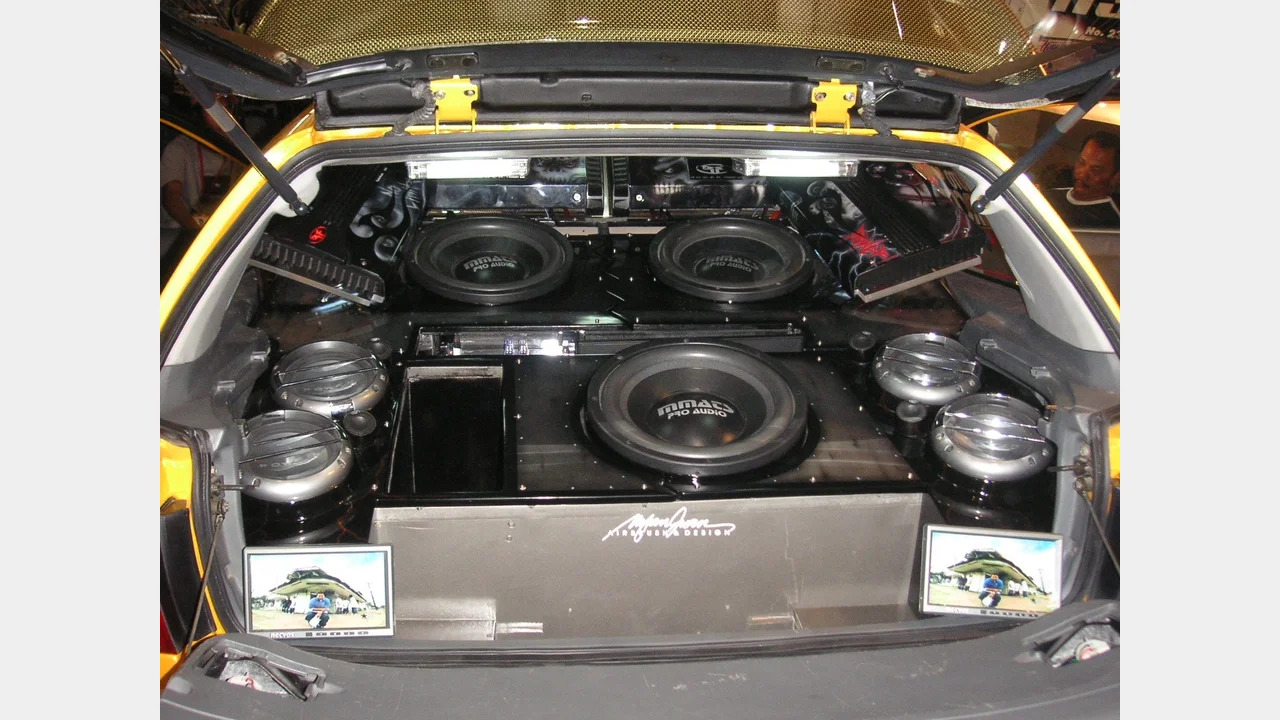
A car audio subwoofer wall design turns a large portion of the cabin into a high-output bass enclosure. Instead of a conventional box in the trunk, the baffle is built across the vehicle behind the front seats, sealing the rear volume from the listening area. Enthusiasts pursue this approach when ordinary enclosures cannot produce enough low-frequency pressure. Understanding what a wall is, how it differs from a typical subwoofer box, and why construction details matter helps you evaluate whether the concept fits your goals. This article explains the essential idea and the practical reasoning behind the layout.
Essential answer
A subwoofer wall is a large baffle that mounts multiple drivers in a rigid panel spanning the interior width and height, usually behind the front seats in a van, SUV, or hatchback. The cabin itself becomes part of the acoustic system because the wall separates the forward listening space from the rear chamber. Unlike a small enclosure placed in a cargo area, the wall uses much more internal volume and presents the woofers directly into the main cabin. That arrangement can increase output and change how bass energy loads the vehicle, but it is a major modification that typically removes rear seating and blocks much of the rearward view.
This design is common in sound-pressure-level competition vehicles and dedicated demo builds, where the goal is maximum low-frequency output rather than daily practicality. The wall is usually constructed from layered wood, reinforced with bracing, and sealed tightly to the pillars, roof, and floor. Because the structure is large and fixed, it behaves differently from a removable box. The head unit and audio source still send signal through speaker wiring to the amplifiers, but the acoustic result depends heavily on how the wall couples to the cabin and how well air leaks are controlled.