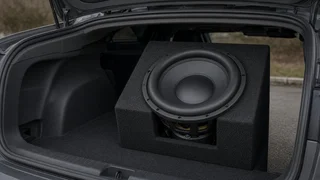
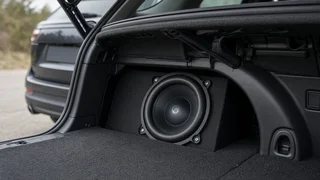
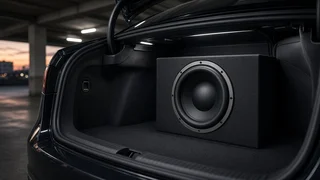
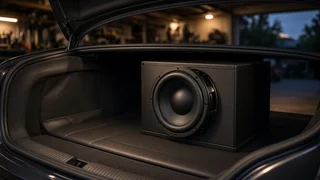
Car audio 15 inch subwoofer
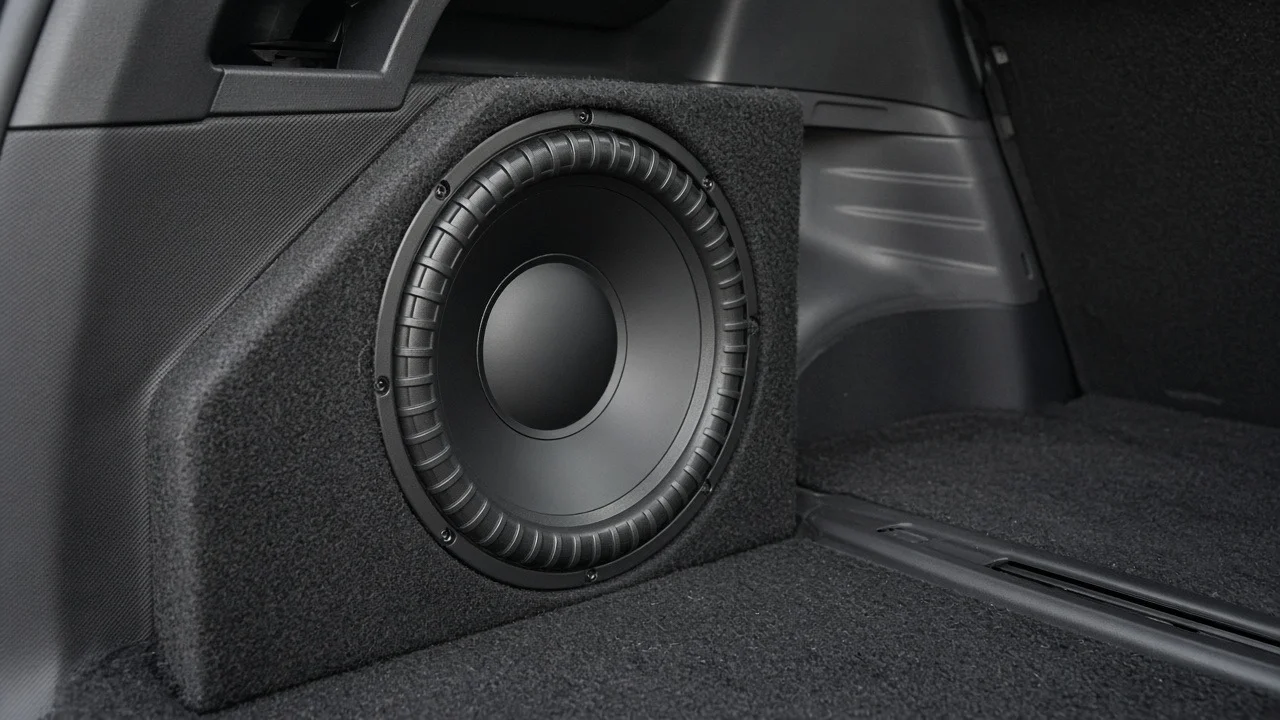
Choosing a car audio 15 inch subwoofer changes how a system feels at moderate and high volume, but the wrong enclosure or power mismatch can turn a promising upgrade into sloppy bass or damaged gear. The large cone moves more air than smaller drivers, which helps reproduce deep notes with less strain, yet it also demands more physical space and electrical current. Before buying, it helps to define the listening goal, measure the available trunk or cargo area, and confirm that the amplifier and head unit can provide a clean signal through the existing speaker wiring.
The direct answer
A car audio 15 inch subwoofer is worth considering when deep, relaxed low-frequency output matters more than saving space, and when the vehicle can accommodate a proper enclosure. The larger cone area does not automatically mean louder bass in every setup, but it typically reaches low notes with less mechanical effort than a smaller driver. The purchase should be guided by enclosure type, voice coil impedance, power handling, and the vehicle's available mounting depth rather than by cone size alone. Confirm these basics before comparing brands, because a well-matched 12 inch design can outperform a poorly installed 15 inch driver.
The immediate decision depends on whether the sub will operate in a sealed or ported box and whether the amplifier's RMS output is stable at the driver's final impedance. A sealed box generally favors tighter response and simpler construction, while a ported enclosure can increase output near the tuning frequency at the expense of a larger box. The head unit and signal reception also matter because a weak or clipped input signal limits what any large subwoofer can do. For most buyers, the answer is yes if the goal is authoritative low bass and the install space, power supply, and vehicle integration are planned together.