Can You Add Regenerative Braking to a Regular Car?
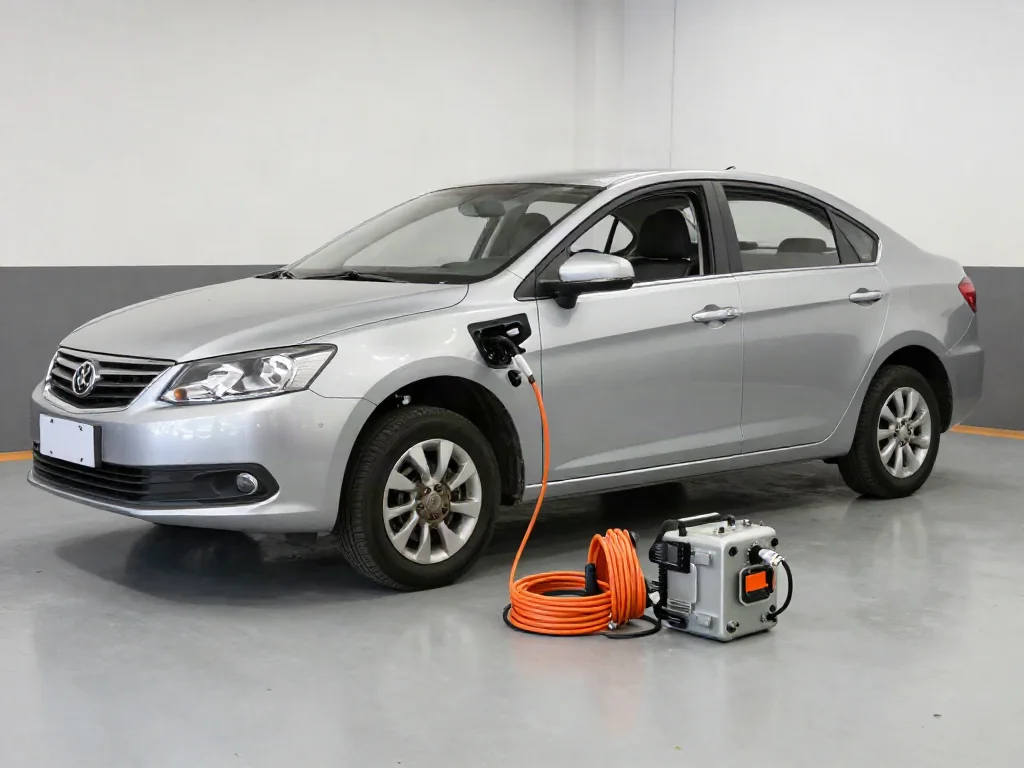
Many drivers wonder if they can fit an aftermarket regenerative braking system to a regular gasoline or diesel car. Regenerative braking is standard on hybrids and EVs, where a motor-generator captures kinetic energy recovery during deceleration. But adding a regenerative braking kit for cars is not a simple bolt-on project. This article explains how the technology works, why aftermarket kits are not practical, and what alternatives can genuinely save energy and brake wear.
How Regenerative Braking Works in Hybrids and EVs
In a hybrid or electric vehicle, regenerative braking uses the drive motor as a generator when the driver lifts off the accelerator or presses the brake pedal. The wheel motion spins the motor-generator, which creates electrical energy. That electricity flows into the traction battery, slowing the car without using only friction brakes. One-pedal driving is possible because strong regeneration can decelerate the vehicle enough for most daily stops.
Recovered energy needs a large high-voltage traction battery. A standard 12-volt battery is far too small and cannot accept high charge rates safely. Blended braking coordinates the motor-generator and hydraulic friction brakes so the brake pedal feels normal to the driver. Regeneration only happens while the car is slowing, so city driving with frequent stops recovers more energy than steady highway cruising, but the exact benefit depends on driving patterns and system tuning.
Why an Aftermarket Regenerative Braking System Isn't a Bolt-On Upgrade
A working system requires an electric machine coupled to the drivetrain, a high-voltage storage battery, power electronics to control energy flow, and software to manage brake blending. None of these parts are present in a conventional car, and adding them means major mechanical and electrical modifications. Factory regenerative braking is deeply integrated with the anti-lock braking system, stability control, and brake-pedal feel logic; aftermarket hardware can confuse those safety systems.
Capturing energy is almost useless if the car cannot reuse it. A conventional car has no drive motor to turn stored electricity back into motion, so recovered energy would only run accessories or sit in a battery. Physical packaging is also difficult: an electric motor, battery pack, cooling lines, and high-voltage wiring need space, add weight, and must pass through structural areas. Before any brake or drivetrain modification, a car owner should ask their insurer, warranty provider, and local inspection authority about compliance and coverage.
What Products Sold as Regenerative Braking Kits for Cars Usually Offer
Products marketed as regenerative braking kits for cars should be judged skeptically. Many listings describe small alternator controllers or capacitor banks that cannot recover meaningful kinetic energy. Some factory vehicles do manage alternator charging during deceleration to reduce engine load, but that is a manufacturer-specific feature; owners should check their vehicle documentation rather than assume it is present. A cheap online kit is unlikely to replicate a full hybrid system.
Red flags include fuel-savings claims without repeatable test data, vague installation instructions, no mention of brake-system integration, and no safety certification for high-voltage components. Before buying, ask the seller where the energy is stored, how it is used again to move the car, how the kit works with ABS, and whether it affects inspection or insurance. A credible seller should provide clear technical answers, not marketing talk.
DIY Regenerative Braking: Safety, Brake Integrity, and Legal Limits
Any change to the braking system affects stopping distance, pedal feel, and ABS behavior. Regenerative hardware adds components that can fail, interfere with brake proportioning, or delay hydraulic pressure. On public roads, an untested DIY setup could cause a crash. The risk to brake integrity makes this type of project far more serious than changing wheels or suspension parts.
High-voltage DC systems and large battery packs introduce shock, arc flash, and fire hazards. Homemade wiring and battery enclosures can short-circuit or overheat, especially in a moving vehicle. In addition, such modifications can affect roadworthiness inspections, registration, insurance coverage, and liability after a crash. This article gives no instructions for building or installing a regenerative system. Anyone considering vehicle electrification must work with qualified professionals.
Realistic Paths for Regenerative Braking DIY Enthusiasts
Many DIY regenerative braking ideas come from small-scale projects such as bicycles, go-karts, or bench demonstrations. Those systems use small motors and batteries with low total energy, and they do not need to meet crash safety standards or blend with hydraulic brakes. A road car weighs over a ton and travels at highway speeds, so the forces and energy levels are vastly different.
A full electric vehicle conversion by a specialist shop is the realistic way an older car can gain regenerative braking. This requires professional engineering, high-voltage battery integration, and registration steps. Without a drive motor and proper controller, a partial DIY setup brings little practical benefit. Safe ways to learn include studying hybrid powertrain operation, taking electronics courses, and doing supervised educational projects rather than modifying a daily driver.
Practical Ways to Save Energy and Brake Wear in a Conventional Car
Drivers can save energy and brake wear without any modification through anticipatory driving. Looking far ahead and easing off the accelerator early lets the car slow naturally before the brakes are needed. This avoids wasting fuel and reduces friction brake use, while safe following distances are maintained. Smooth driving is not energy recovery, but it lowers consumption and brake pad wear in normal traffic.
On long descents, using engine braking by selecting a lower gear or an automatic's lower range reduces brake heat and wear. Engine braking is not regenerative braking; it uses the engine's compression to slow the car and wastes no fuel in modern fuel-injected vehicles. Other low-risk habits include correct tire pressure, removing unnecessary weight, and routine brake and tire inspections by a qualified technician. Readers who truly want regenerative braking should look for it as a factory feature when they next choose a hybrid or electric vehicle.