Can a Damaged Tire Bead Be Repaired? Options and Cost
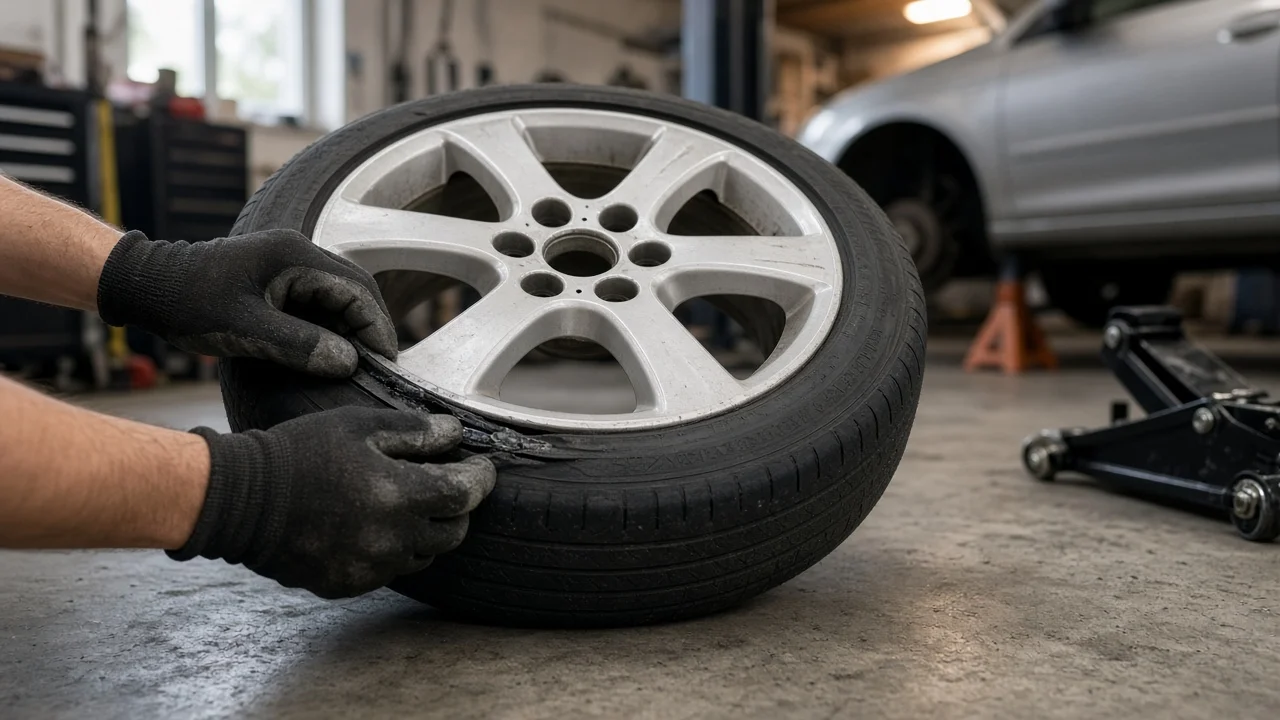
A damaged tire bead demands immediate attention because this reinforced inner edge is what locks the tire to the wheel. When rubber is torn, cut, or folded at the bead, the seal can fail suddenly, causing slow leaks or rapid air loss. Drivers researching a tire bead fix often face a mix of repair claims, replacement costs, and uncertainty about whether a patched tire is safe. The right choice depends on the damage location, cord exposure, tire size, and inflation pressure. This guide explains how bead damage occurs, what can realistically be repaired, and when tire bead replacement becomes the only dependable option.
The direct answer
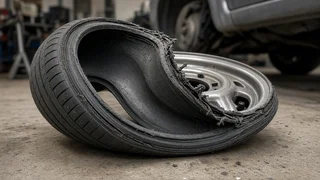
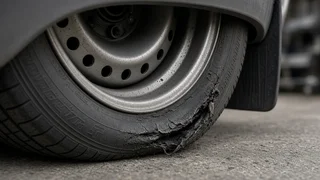
A tire bead can sometimes be repaired when the damage is limited to a small surface tear or a minor nick that does not expose the steel or fabric cords and does not extend into the seating area. In those narrow cases, a specialty tire bead repair kit may restore the sealing edge. However, many bead failures involve structural damage, hardening, or cuts through the bead bundle, which a repair cannot safely reinforce. The tire's ability to retain the wheel under load depends on that intact bundle, not just on a surface patch.
For most drivers, the practical answer is that bead damage requires professional inspection. A small cosmetic scrape on the sidewall near the rim may be harmless, but a visible split, a bent bead, or a tire that will not hold air after mounting usually indicates replacement is necessary. Because the bead must withstand cornering forces, load index requirements, and sustained inflation pressure, any uncertainty should end with a new tire rather than a temporary bead repair that could separate at highway speed.
Choosing and buying
When assessing whether to pursue a tire bead fix or buy a replacement, start with the tire's job. Consider the vehicle placard, the required tire size, load index, and speed rating. A repaired bead on a light trailer or low-speed farm tire may be lower risk than the same damage on a passenger vehicle that carries passengers at highway speeds. Drivetrain compatibility also matters: an all-wheel-drive system may require matching tread depth, so replacing one damaged tire can force a pair or full set if the remaining tires are partly worn.
If you shop for a tire bead repair near me, confirm what the shop is actually performing. Some services only reseat a bead that has broken loose from the rim, which is not the same as repairing torn bead rubber. Ask whether the work includes demounting, cleaning the rim flange, sealing, and remounting. For replacement, compare the total cost: mounting, balancing, valve stem, disposal fees, and any road hazard coverage. A low advertised tire price without installation can be misleading, so evaluate the complete transaction rather than the part cost alone.
Comparing alternatives
A tire bead repair kit is best understood as a narrow option, not an equal alternative to replacement. The kit may suit a shallow outer rubber tear when the bead bundle is intact, but it cannot rebuild a bead that has been cut through or heat-damaged from driving while flat. For a dedicated track car or trailer tire, a technician may be willing to smooth and seal a minor imperfection. For everyday commuting, the safer comparison is often between replacing one tire and matching more tires to preserve even tread depth.
When weighing replacement, compare the new tire against the vehicle's existing set using the same metrics: tire size, load index, speed rating, and tread depth. If the remaining tires are near new, one matching replacement may be enough. If they are substantially worn, a single tire can create a small diameter difference that affects traction control and drivetrain compatibility. In that case, replacing a pair or all four may cost more initially but prevents uneven wear and handling imbalances over the tire's life.
Understanding a problem
Bead damage usually shows up in three ways: a slow leak that persists after remounting, a tire that will not seat on the rim, or visible cuts and chunks missing from the inner edge. During mounting, a low-profile tire or a stiff sidewall can stretch the bead and tear the rubber if the installer uses excessive force without adequate lubrication. Corrosion on an alloy rim can also abrade the bead over time, creating a rough sealing surface that holds air inconsistently even when the tire itself is sound.
A tire that loses air after pothole impact may have a cracked wheel flange, a cut bead, or both. The diagnostic step is to demount the tire and inspect the bead seat under light, looking for exposed cords, kinked wire, folded rubber, or contamination. If the wheel flange is bent or cracked, no tire bead repair will seal reliably. If the damage is a shallow surface tear away from the bead toe, the tire may be remounted with sealant and tested. Continued low inflation pressure after a proper repair attempt is a sign the tire should not return to service.