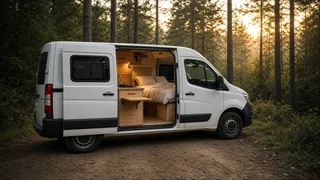
Camper van conversion in Virginia
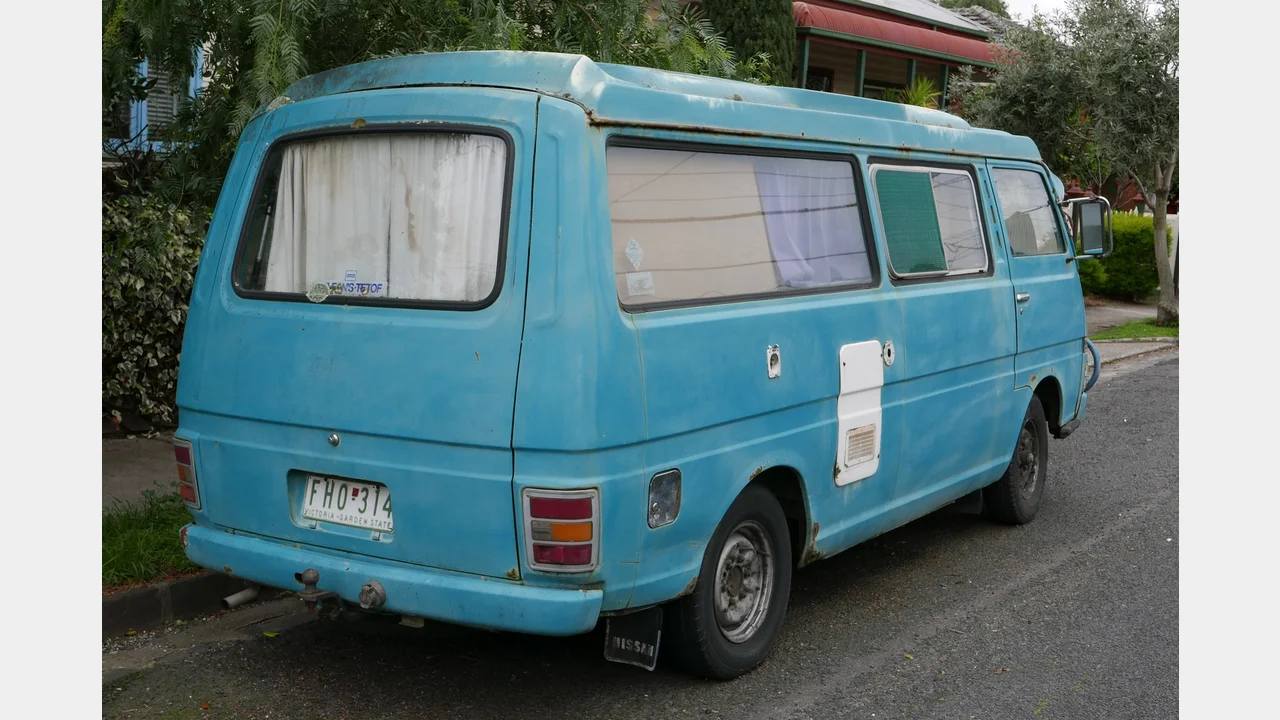
A camper van conversion in Virginia involves more than choosing cabinets and a bed platform. The state’s mix of coastal humidity, mountain grades, and urban parking shapes how you select a donor vehicle and plan the build. Buyers often focus on interior layout while overlooking how body configuration, wheelbase, seating layout, and cargo access affect daily use. Understanding powertrain options and the specific market specification of vans sold in the Mid-Atlantic helps you avoid costly changes after purchase. This guide explains what to evaluate before committing to a conversion project.
The direct answer
The immediate answer is that you should choose a van with enough roof height, load length, and payload capacity for the interior you want, then confirm Virginia titling and inspection expectations for modified vehicles. A high-roof, long-wheelbase cargo van generally gives the most usable space for a fixed bed and galley, but it makes maneuvering in older downtown areas more difficult. If you mainly camp at state parks and forest roads, a standard-length body may be the better compromise between living area and trail access.
The condition that materially changes the recommendation is how the van will be registered and insured. A commercial cargo van converted for personal recreational use may need updated classification and documentation. Virginia does not have one universal conversion rule, so local DMV guidance and insurer requirements should be checked for the specific body configuration. Structurally, roof vents, added windows, and seat removal affect both safety checks and resale value, so they belong in the purchase calculation rather than after the sale.