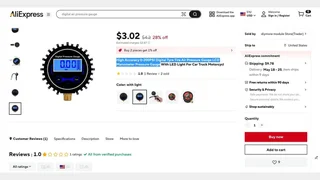
Campbell Hausfeld Tire Pressure Gauge
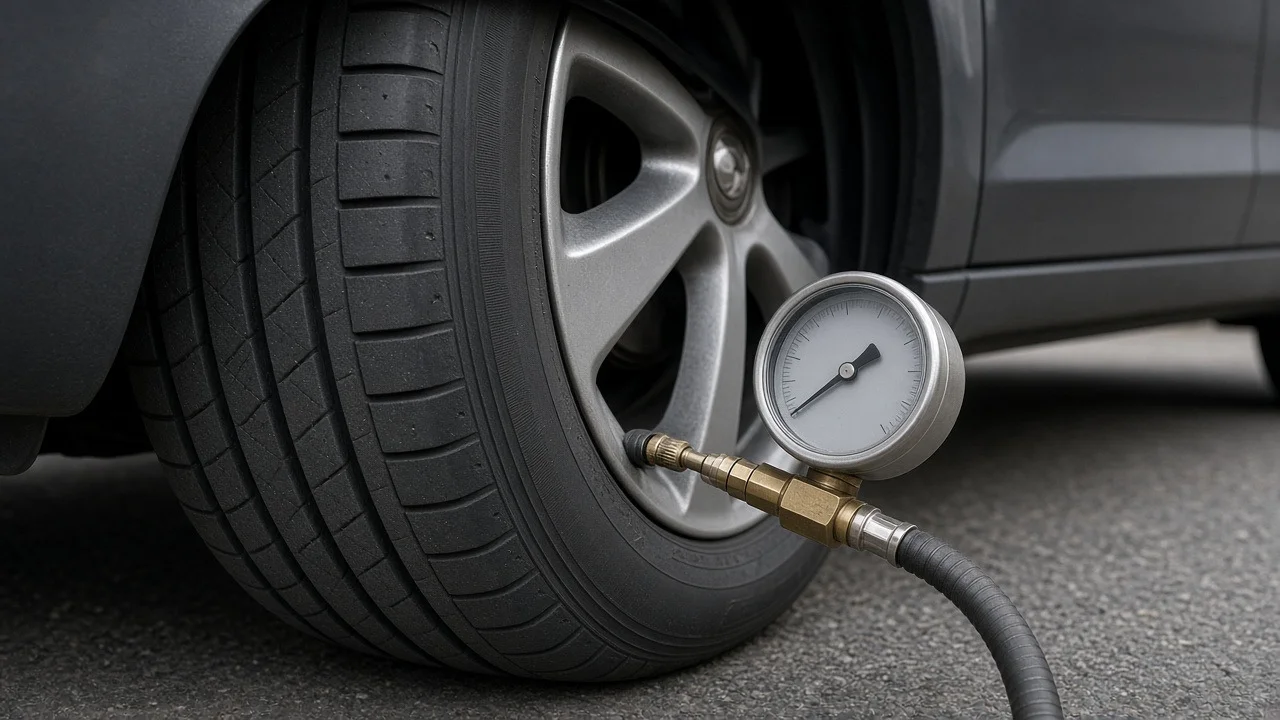
Choosing a Campbell Hausfeld tire pressure gauge means translating a small handheld reading into safer stops, steadier steering, and more predictable tire wear. The right tool depends on how you plan to measure—whether that means a quick check before a trip or repeat readings across several vehicles. Understanding measurement range, accuracy, and connection style helps you match the gauge to your vehicle specification and reading habits.
The direct answer
A Campbell Hausfeld tire pressure gauge can be a practical choice when you want a dedicated tool for checking inflation rather than relying on a gas station gauge or a dashboard warning. The immediate question is not simply whether the brand will work, but which gauge type fits your typical tire pressures and valve access. Most passenger vehicles need repeatable readings near the door-jamb value, so a gauge with a clear scale or digital display makes that routine faster and more consistent.
For a digital model, the useful test is connection quality and display behavior. Pressing the chuck squarely onto the valve stem gives a stable number, while a tilted or incomplete seal can cause an audible hiss and a low reading. A dial or stick gauge uses a similar mechanical seal but asks the user to judge a needle or sliding scale. Confirm the gauge reads in the units you use—psi, kPa, or bar—before relying on it.