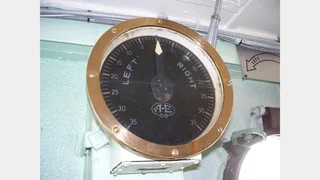
C1163 steering angle sensor
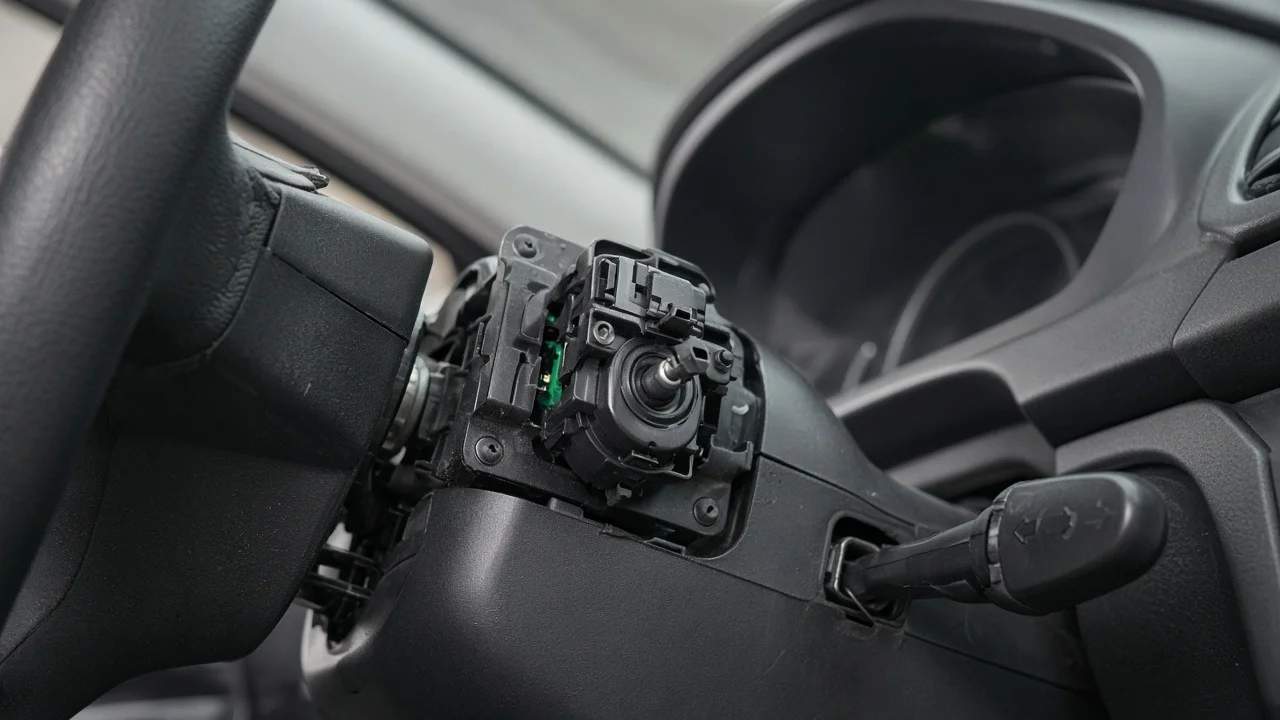
A C1163 steering angle sensor code can make a stable vehicle suddenly feel unfamiliar, often triggering warning lamps and disabling assistance systems. The concern about whether it is safe to continue driving is reasonable, because the steering angle input informs stability control, traction control, and other chassis functions. Interpreting the code requires looking beyond the sensor itself. Wiring, calibration loss, suspension changes, or a disturbed clock spring can all produce the same stored fault. Understanding the signal path and the conditions that set the code helps separate an immediate hazard from a repairable electronic or mechanical issue.
Essential answer
A stored C1163 code indicates that the steering angle sensor signal is missing, implausible, or outside the range the control module expects, but it does not by itself prove that every steering function has failed. The vehicle usually remains mechanically steerable, yet the electronic stability program may not intervene correctly. Short trips to a repair location can be acceptable when steering feels normal and no other serious faults are active, while driving farther with multiple warning lights or altered brake behavior is riskier.
The safe choice depends on the symptom pattern, not only on the code. If the steering wheel returns to center normally and the vehicle tracks straight, the base mechanical steering is likely intact. If the wheel is off-center, pulls, or the brake system acts unexpectedly, the issue may involve more than calibration. Because the sensor also supports vehicle stability calculations, the code should be treated as a warning that electronic chassis safeguards are degraded rather than as a standalone part failure.