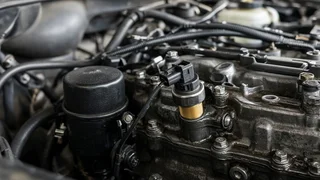
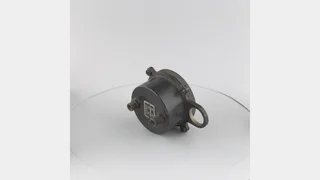
BWD Engine Oil Pressure Switch

A flickering oil warning or low gauge reading can send you searching for a replacement sending unit, and the BWD Engine Oil Pressure Switch is one of the options that appears during that hunt. Choosing correctly means distinguishing a switch from a true pressure sensor, checking thread fit and electrical connector style, and comparing the replacement to the part removed from your engine. The right unit restores the warning circuit without masking lubrication problems, so the buying decision starts with understanding what this component actually does and where it must match.
The direct answer
The BWD Engine Oil Pressure Switch is intended to replace a worn or leaking oil pressure warning switch on vehicles that use a simple grounded circuit to trigger the dash light or gauge warning. It closes or opens a contact at a set oil pressure threshold rather than sending a continuously variable signal like a true oil pressure sensor. The immediate buying step is to confirm that your vehicle calls for a switch, not a sender with a variable resistance range, and that the BWD part matches the original thread size, sealing style, and electrical connector.
A materially important condition is whether your engine currently has an actual low oil pressure condition, a faulty switch, or a wiring fault. If the warning behaves intermittently while the oil level and engine sound are normal, the switch is a reasonable suspect. If the engine rattles on startup or the level keeps dropping, replacing the switch will not repair the underlying lubrication fault. The BWD unit is a replacement circuit component, not a diagnostic cure, so it should be purchased after a basic comparison of the old part and a check of the connector type.