Buy Mopar A-body restoration parts
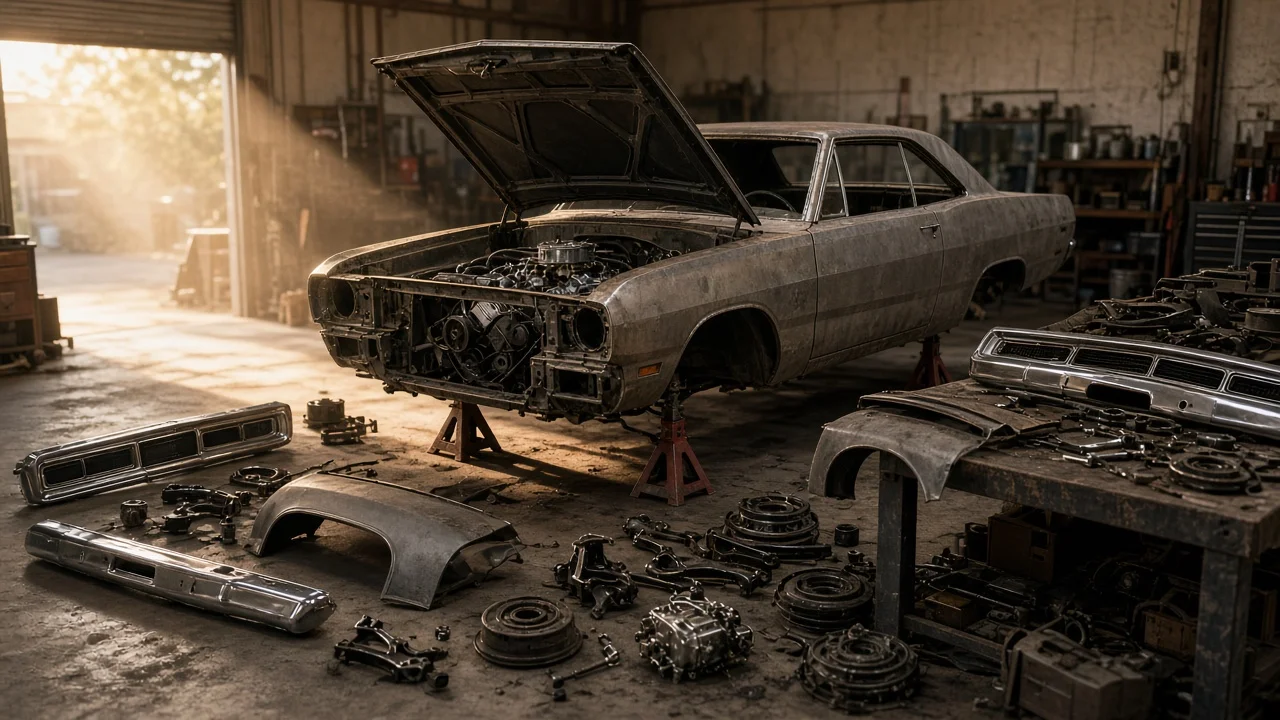
Shopping for Mopar A-body restoration parts rewards a buyer who treats condition, authenticity, and compatibility as one connected decision. A-body platforms such as the Dart, Duster, Valiant, and Barracuda spanned enough production changes that a part listed simply as “fits A-body” can still hide body-year, trim, or submodel differences. The goal is not just finding a part number but matching it to the vehicle condition, existing service records, and the market specification you are actually restoring.
The direct answer
The immediate answer is to buy parts only after confirming how the specific A-body platform, model year, and assembly variation affect fit. Restoration catalogs often group Dodge and Plymouth A-body components together, yet front suspension geometry, brake mounting points, interior trim, and body panels changed across production runs. A correct purchase depends on comparing the part against the original component, the build configuration, and any prior collision or rust repair rather than trusting a broad interchange claim.
Ownership documents and service records provide useful evidence for narrowing choices. When a previous owner replaced a fender, converted front brakes, or installed a later rear axle, the vehicle may no longer match its original factory configuration. Inspection findings should note stamped numbers, casting dates, and visible modifications because these affect whether a restoration part integrates cleanly. Before paying, make sure the purchase agreement or order detail identifies the application accurately enough to return or exchange the part if the market specification proves wrong.