Buy an Artwork body shop splitter
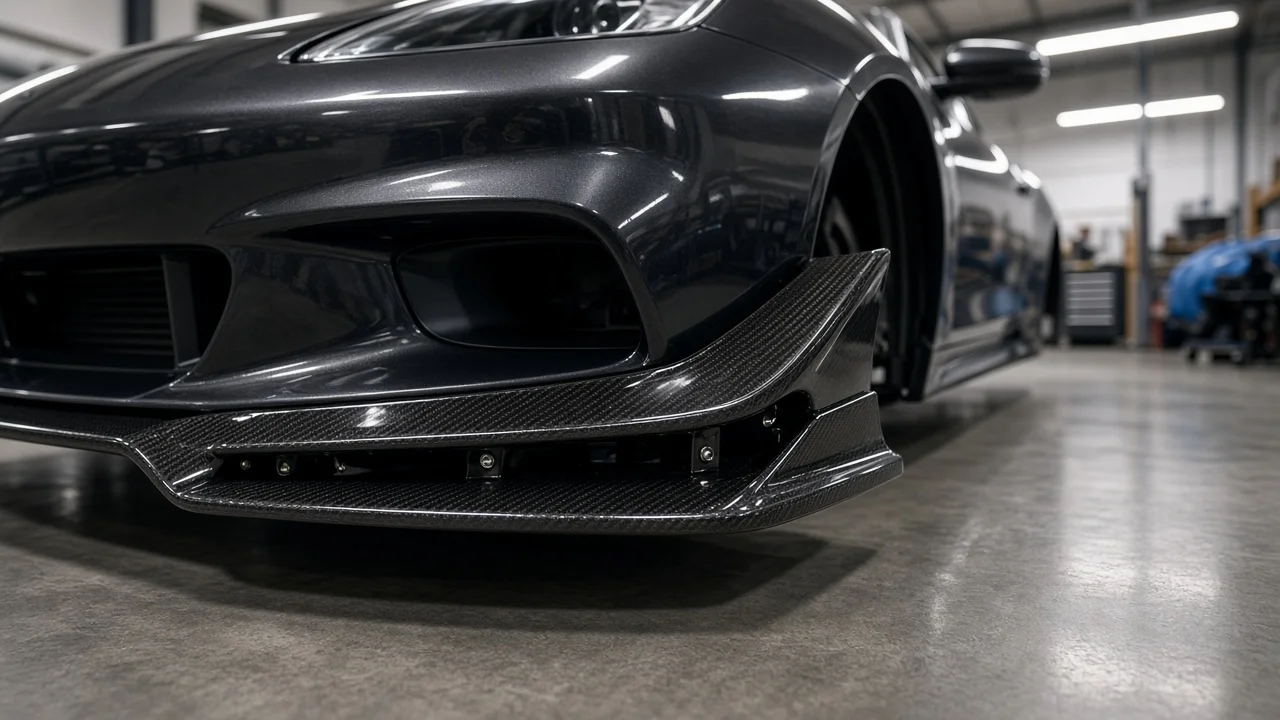
When a search leads to “artwork body shop splitter,” the shopper usually wants a distinctive front lower trim piece that changes stance and airflow without the fragility of a track-only carbon part. Choosing one means weighing material, fitment, finish, and whether the advertised piece suits a daily-driven car or a show build. The right purchase balances visual presence against ground clearance, mounting security, and repair practicality. Because no confirmed product specifications are supplied here, the useful next step is to interpret what a body shop splitter is, why it may be called artwork, and which general checks help avoid a disappointing fit or finish before money changes hands.
The direct answer
Buying an artwork body shop splitter is best approached as a custom or decorative aero purchase where appearance and installation quality matter more than a universal replacement part number. The immediate answer is to confirm the listing describes a real bumper-mounted front splitter, then verify width, mounting points, material type, and edge finish for the intended vehicle. If the part is described only as artwork or a show piece, the condition that materially changes the decision is whether it is structural enough for road use or intended strictly for display and photography.
A splitter sold through a body shop channel may be a painted, wrapped, or hand-finished cosmetic panel rather than a precision aerodynamic component. For that reason, inspect how it attaches and whether it comes with hardware or requires fabrication. The term artwork can signal custom paint, layered clear coat, or visual detailing that raises cost without changing function. In a commercial purchase, confirm whether the price includes finishing and test fitting, and treat missing vehicle fitment detail as a reason to ask more questions before ordering.