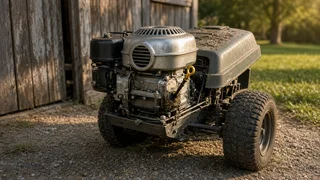
Briggs & Stratton 17.5 hp oil capacity
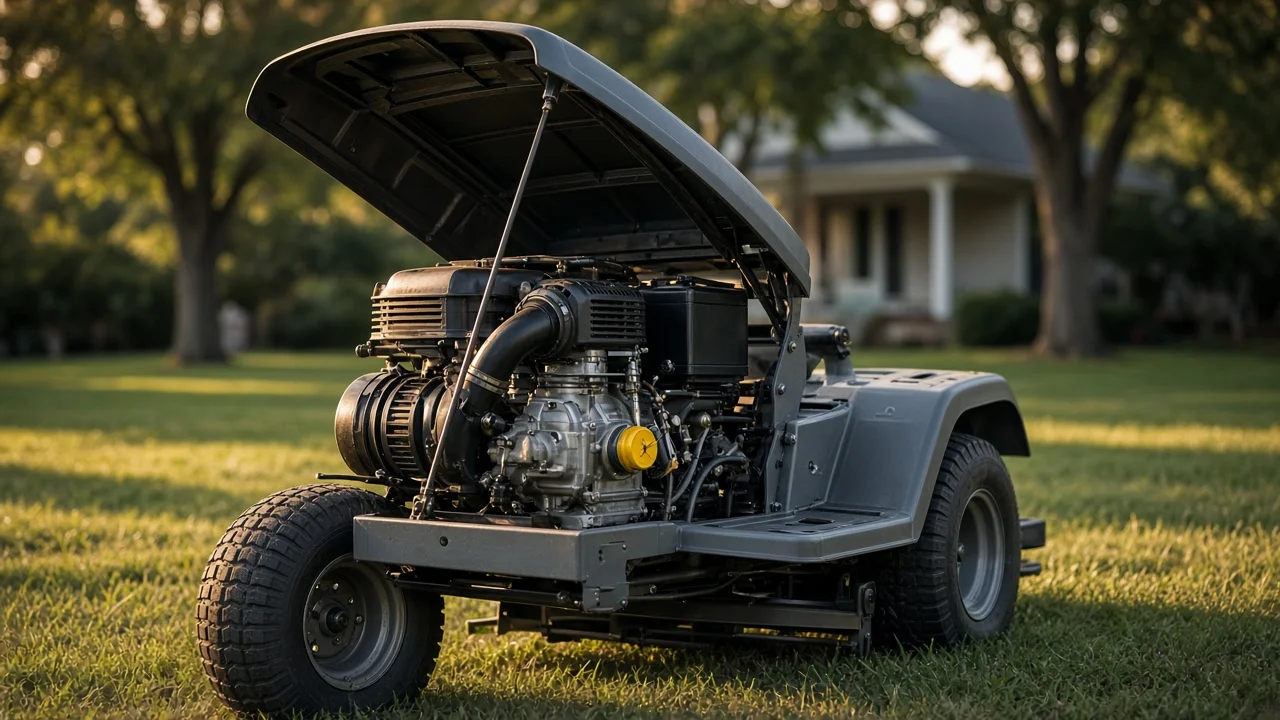
Several Briggs & Stratton 17.5 hp single-cylinder engines share a general oil system design, yet the exact fill quantity is not universal. Small differences in the sump casting, dipstick length, oil filter presence, and equipment mounting can change the amount needed during a drain and refill. For this reason, the most reliable figure comes from the engine’s stamped model and type numbers rather than horsepower alone. Identifying those codes narrows the lubricant specification and prevents an overfill that could push oil past seals or into the breather.
Essential answer
The requested oil capacity for a Briggs & Stratton 17.5 hp engine should be treated as a model-specific value. Horsepower describes output, not the exact sump volume, and engines with the same rating may have been produced with different crankcase depths, dipstick markings, and oil drain arrangements. A typical service amount often falls near a common small-engine range, but the safe procedure is to add most of the expected quantity and then use the dipstick for a level check. The final few ounces should always be guided by the markings on the installed stick.
Equipment identification is important because replacement engines and original equipment versions may carry different type numbers even when the horsepower label matches. The stamped code, usually located on the blower housing, valve cover, or a metal tag, is the key to confirming the correct fill quantity and manufacturer approval. Without that code, the owner should not rely on a general chart, because an engine installed on a tractor may have a remote drain, a different dipstick tube, or an oil filter that changes the refill amount.