Brake-Force Trailer Brake Controller
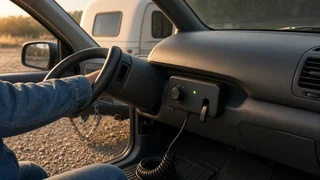
Choosing a brake-force trailer brake controller means matching the unit to your tow vehicle, trailer weight, and braking style. A controller translates tow-vehicle brake pedal pressure into an electrical signal that applies the trailer’s brakes proportionally. Shoppers often compare time-delayed and proportional designs because they feel different when towing. The right choice supports consistent stops without excessive brake pad wear or trailer sway. Understanding how the controller reads braking force helps you evaluate features without relying on vague marketing claims or unsupported model-specific specifications.
The direct answer
The immediate answer is to select a proportional brake controller that is compatible with your trailer’s electric brakes and your tow vehicle’s wiring. A brake-force trailer brake controller measures deceleration and adjusts trailer braking to match how hard the tow vehicle is stopping. This differs from a time-delay unit, which applies a preset output after a pause. For most users towing varied loads, the proportional approach provides smoother stops and less push from the trailer.
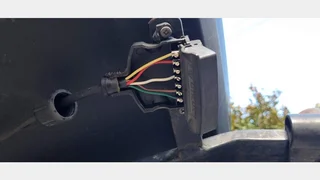
The condition that materially changes this answer is installation compatibility. Some vehicles include a factory brake controller connector, while others require a plug-in harness or hardwired installation. Confirm whether your trailer uses electric drum brakes or electric-over-hydraulic brakes, because the controller output must match. Also consider the trailer’s gross weight and axle count. A unit that supports multiple axles and adjustable gain gives you room to tune braking force without guessing.