BP6ES Spark Plug Applications
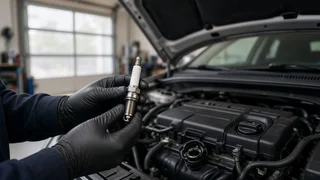
The BP6ES is a non-resistor spark plug with a 14 mm thread and a projected insulator nose, widely used in older carbureted and early electronic-ignition engines. People asking “bp6es spark plug for what car” usually need a cross-reference that fits small-displacement motorcycles, air-cooled engines, and legacy Japanese and European cars where original heat-range charts specified this plug. Because the same part number can appear in a mower, a motorcycle, and a 1970s sedan, the application depends on confirming the shell dimensions, thread reach, gasket seat, and heat range against the engine manufacturer’s listing rather than a universal vehicle database.
Essential answer
The BP6ES fits engines calling for a 14 mm threaded, 3/4-inch reach plug with a gasket seat and a projected center electrode. Common application groups include older Datsun, Honda, Toyota, and British Leyland gasoline engines, along with many motorcycle powerplants using a non-resistor plug and a medium heat range. It is not a modern exact-fit replacement for every four-cylinder car, and manufacturer-dependent ignition requirements must be checked before substituting it into a vehicle.
Identifying the subject as a non-resistor plug is important because it lacks the internal suppression designed for later electronic systems. The “B” series shell and “P” projected insulator shape indicate a physical form intended for certain combustion chambers. When a catalog lists the BP6ES for a car, it is normally because the engine was designed around a conventional inductive discharge ignition that does not require a resistor plug for radio interference control or ECU signal clarity.
How it works
A spark plug transfers high-voltage energy from the ignition system across an air gap at the firing end. The BP6ES places that gap slightly into the combustion chamber with a projected insulator nose, which helps expose the spark kernel to the intake charge and can improve throttle response and idle stability in older engine configurations. Its non-resistor construction provides a direct path for the secondary ignition current without the added internal resistance found in many later plugs.
Heat range is another operating consideration. The BP6ES is a medium heat-range plug, meaning its insulator nose retains enough temperature to burn off carbon deposits during normal driving while conducting excess heat into the cylinder head. The projected nose raises tip temperature at light load, which can resist fouling in engines that idle frequently. In a correctly matched engine, this balance supports clean operation without overheating the electrodes under sustained load.
Strengths, limitations and suitability
The BP6ES suits owners of older cars and motorcycles where the original equipment listing specifies a non-resistor, medium heat-range plug with this thread and reach. Its projected nose can help reduce low-speed carbon fouling in engines that run rich, have worn valve guides, or spend time in stop-and-go traffic. Availability across multiple aftermarket brands also makes it convenient for classic vehicle maintenance when an exact manufacturer part is no longer stocked.
A limitation is that it does not fit modern engines requiring resistor plugs, precious-metal electrode service intervals, or different thread sizes. Substituting it into a vehicle with sensitive electronics can increase ignition-related radio noise and may disturb engine control signals. Suitability therefore depends on manufacturer specifications and the engine’s service history; the BP6ES is a practical legacy-service plug, not a performance upgrade, and should not be treated as a universal replacement simply because it threads into the head.
Procedure
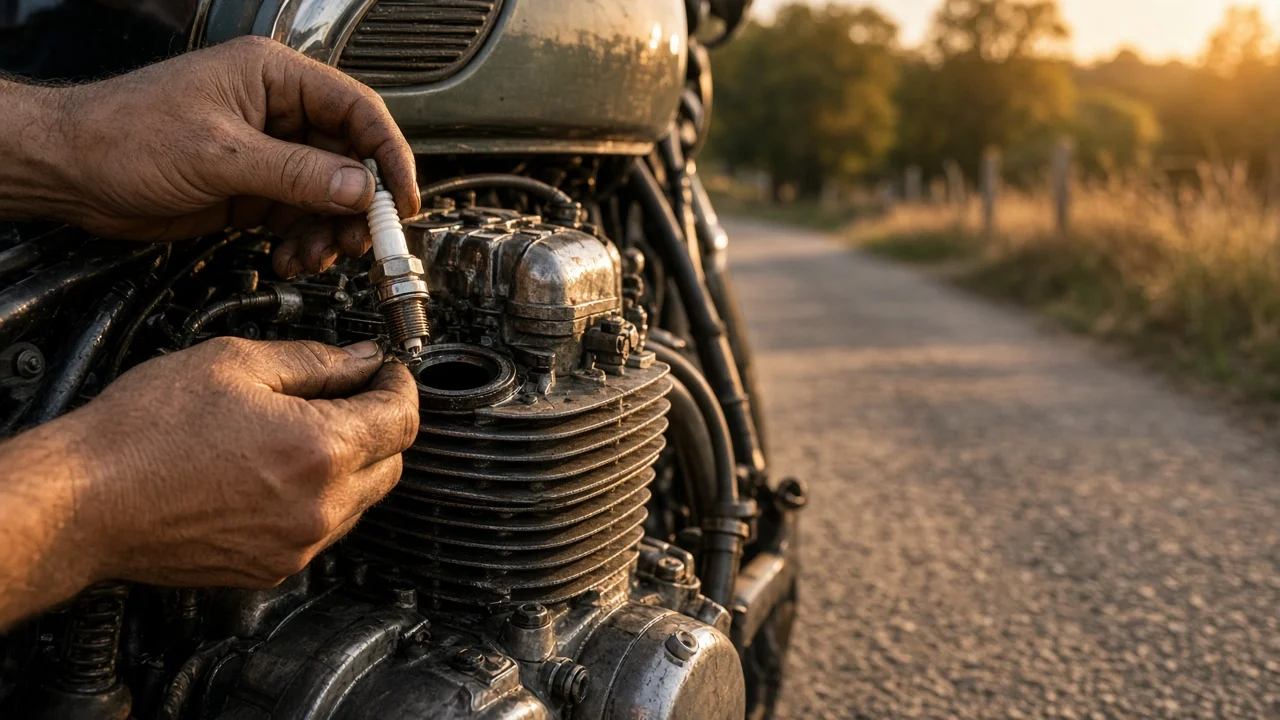
Before installation, confirm the existing plug is cold and the engine is off. Check that the BP6ES matches the old plug in thread diameter, reach, seat type, and heat range as listed by the vehicle manufacturer. Inspect the new plugs for a damaged insulator, bent electrode, or incorrect gap. Gap adjustment should follow the engine maker’s specification, using a wire-style gauge and moving only the ground electrode in small increments.
Thread each plug by hand until the gasket contacts the seat, then use a torque wrench if the cylinder head material and manufacturer torque value are known. Avoid overtightening aluminum heads, which can strip threads or distort the shell. After installation, start the engine and listen for idle misfire or ignition noise. A final visual check around each plug well can confirm there is no fuel or oil seepage from loose seating, without guessing torque values or repeating the adjustment unnecessarily.
Diagnosing a problem
If an older engine runs poorly after the switch to a BP6ES, compare the physical condition of the removed plugs first. A black, sooty insulator suggests an overly cold plug, rich mixture, weak ignition, or frequent short trips. A white or blistered appearance may indicate overheating from an incorrect heat range or lean mixture. Oil-fouled electrodes point toward worn rings, valve guides, or crankcase ventilation, not necessarily the plug itself.
Because the BP6ES is a non-resistor plug, check whether the ignition system was originally designed for a resistor type. An engine that develops rough running, radio static, or an unstable tachometer after installation may be reacting to the missing internal resistance. Diagnostic codes in early engine management systems should be read as evidence of a misfire or signal issue, not direct proof the plug is defective. Symptom conditions such as cold-start misfire versus wide-open-throttle stumble can help distinguish ignition noise from a mechanical or fueling fault.