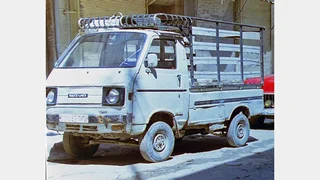
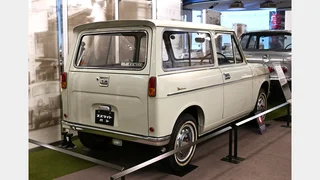
Boxy Suzuki cars

A Suzuki boxy car usually means one of the tall, upright kei cars, mini MPVs, or compact crossovers built for interior space and city maneuverability. These designs often feel larger inside than their footprint suggests because the roof, beltline, and rear hatch prioritize usable volume. In the US market, the question usually leads to older Suzuki models, import-oriented kei vehicles such as the Wagon R or Every, or later boxy crossovers. The relevant concepts include body style, model generation, trim level, powertrain configuration, and market specification, because the same nameplate can differ significantly by region and model year.
Essential answer
The essential answer is that a Suzuki boxy car is not one single model but a recognizable design approach found across several Suzuki nameplates. The squared-off shape serves a practical purpose: it reduces wasted taper at the roof and cargo area, making a small vehicle easier to load and more spacious for passengers. In many cases, the layout combines a short nose, tall cabin, and near-vertical rear glass. This body style appears on models ranging from kei-class hatchbacks to compact MPVs and later crossover-style vehicles.
Within that scope, the exact meaning of a Suzuki boxy car depends on model generation and market specification. A Japanese-market Wagon R differs from export versions, and a kei van has different dimensions and powertrain rules than a larger North American product. Trim levels also change seating, drivetrain, and convenience features. Because Suzuki has produced both city-oriented tall hatchbacks and more utilitarian vans, identifying the specific generation helps explain whether the focus is fuel economy, all-wheel-drive utility, or maximum cabin volume.