Bose amplifier car audio
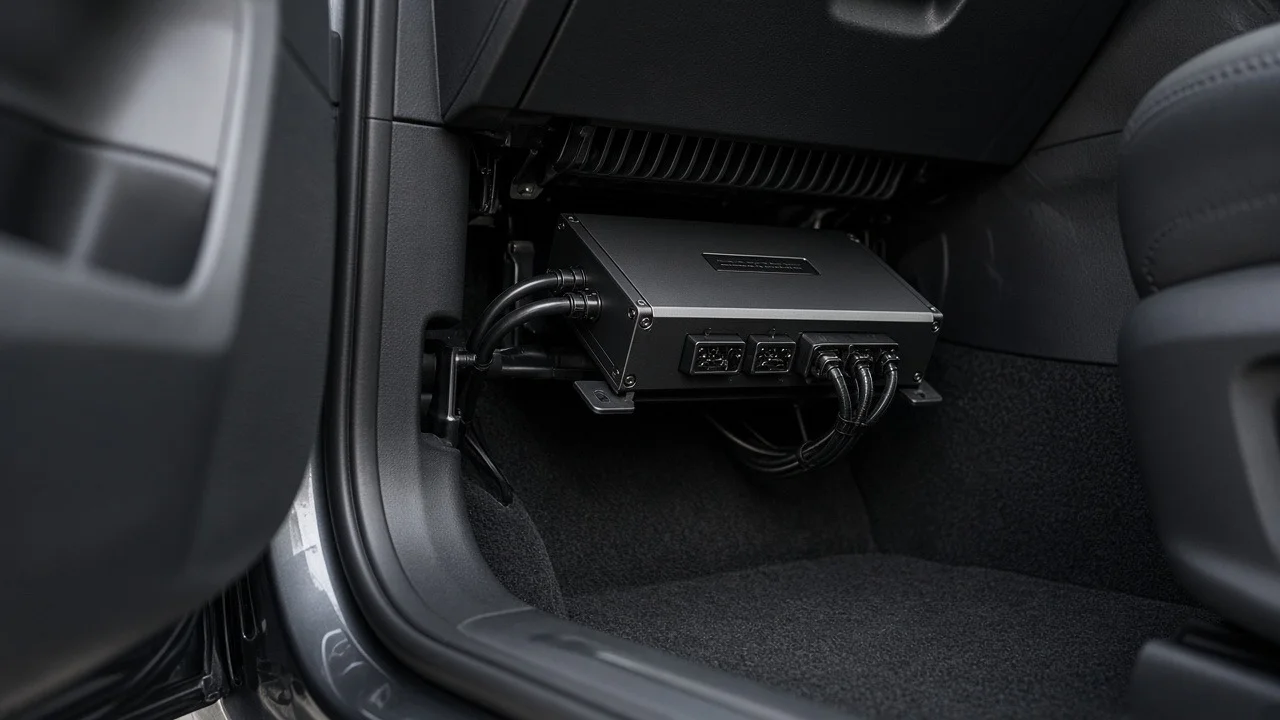
Finding the right Bose amplifier for a car means matching the hardware to your existing audio source, head unit, and speaker wiring. A factory or aftermarket Bose unit can reshape signal reception and vehicle integration, but not every amplifier fits every setup. This guide explains what to check before buying so the upgrade works with your vehicle instead of fighting it.
The direct answer
When shopping for Bose amplifier car audio equipment, your first question is whether the unit matches the vehicle’s electrical architecture and the head unit output. A Bose car audio amplifier is designed around a specific input voltage range, channel count, and impedance load. Choosing one without confirming those values can produce weak output, a protection shutdown, or damage to the speaker wiring. The safest purchase decision starts with the original equipment configuration or a clearly documented aftermarket adapter path.
Compatibility changes if the vehicle uses a data-bus signal, a balanced input, or a low-level RCA feed from the audio source. A factory Bose amplifier often expects a particular turn-on signal and equalization curve, while a generic aftermarket model may require a line output converter. Before buying, identify whether the antenna and signal reception paths are separate from the amplifier harness, because some systems route AM/FM audio through the amp. That detail affects how the new component integrates with the dash controls.