Bosch 044 In-Tank Fuel Pump
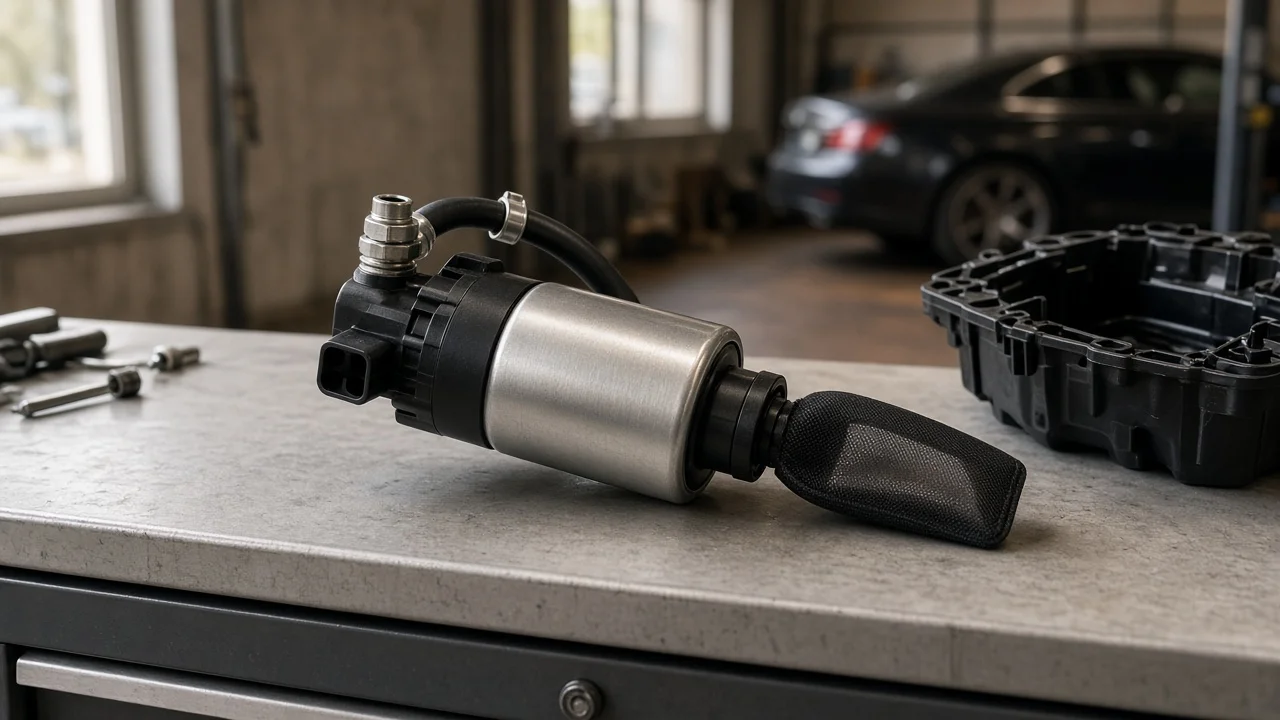
Choosing the right Bosch 044 in-tank fuel pump depends on how the vehicle will be driven and whether the rest of the fuel system can support the added delivery volume. A pump that flows enough for sustained high-load operation may overwhelm a stock return line or regulator at idle. The following guidance explains what to confirm before purchase so the assembly fits the tank hanger, matches the electrical circuit, and supplies stable fuel pressure without creating new tuning problems.
The direct answer
The Bosch 044 can be installed inside a fuel tank when the hanger, retaining hardware, and wiring are adapted to its larger body and current draw. Its underlying design was intended for reliable, high-volume fuel delivery under demanding conditions, which is why it often shows up in forced-induction builds and modified engine bays. However, the term “044” is used broadly, and not every unit sold under that label is the same. Confirm the inlet, outlet, and electrical connector before treating it as a direct drop-in replacement.
An in-tank installation usually requires more than swapping the motor housing. The pump needs a suitable pre-filter or strainer, a properly sealed feed line, and a secure mount that prevents vibration from contacting the tank floor. The vehicle’s fuel pump control module or relay must also handle the additional amperage, especially at high fuel pressure and voltage. If the engine configuration uses returnless fuel control, changes in delivered volume can affect fuel trim and cause a rich condition unless the tune accounts for the new pump curve.