Bonded vehicle title requirements in Delaware
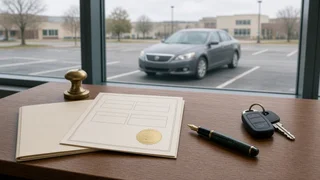
A bonded title in Delaware is a path to vehicle ownership when standard title paperwork is missing, incomplete, or open to dispute. Instead of presenting a clean prior title, an applicant may obtain a surety bond that protects the state and future owners against undisclosed claims. The process turns the absence of a conventional ownership record into a reviewable application. Because Delaware sits within a region where vehicles regularly cross state lines, understanding bonded vehicle title requirements in Delaware helps buyers, heirs, and rebuilders avoid registering a vehicle with unresolved title risk.
Essential answer
The essential answer is that a bonded title is not a separate ownership class. It is a regular title issued after the applicant supplies a surety bond when the Delaware Division of Motor Vehicles cannot accept the available proof of ownership. The bond does not prove the vehicle is free of liens; it creates a financial remedy if a prior owner or lienholder later proves a valid claim. Applicants still must provide application documents, the vehicle identification number, and enough history for the jurisdiction to evaluate the request.
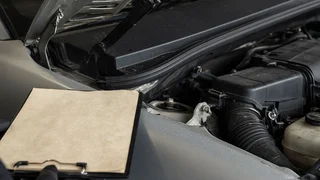
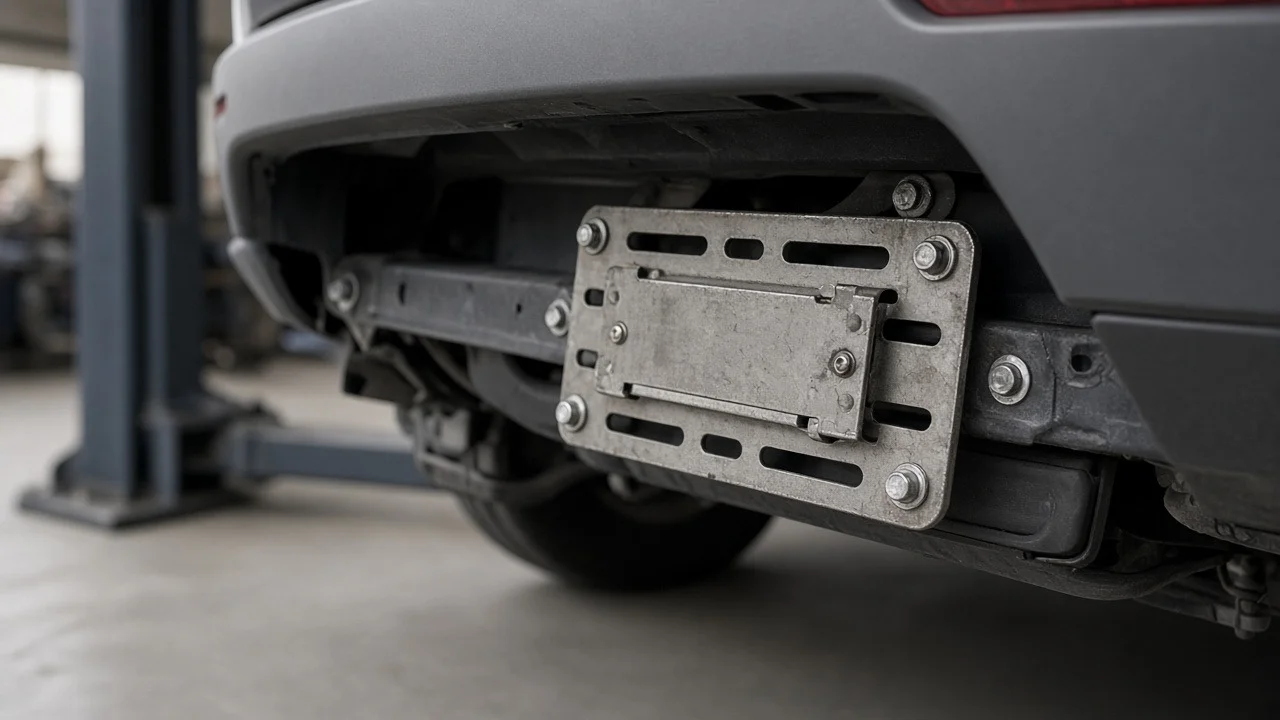
A bonded title may be considered when a bill of sale exists but the registration certificate, signed title, or complete chain of ownership is absent. Delaware officials can require a vehicle identification number inspection to compare the physical vehicle with available records. The surety amount is typically based on a valuation method the DMV recognizes. If no conflicting claim appears during the bond period, the branded status may eventually be released, but the immediate record still identifies that a bond was used to support the application.