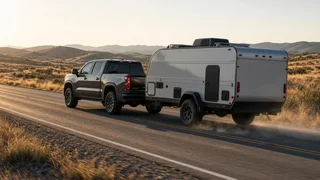
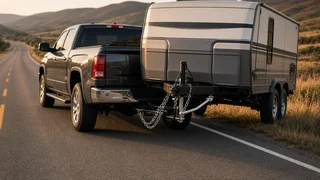
Boat Trailer Sway Control
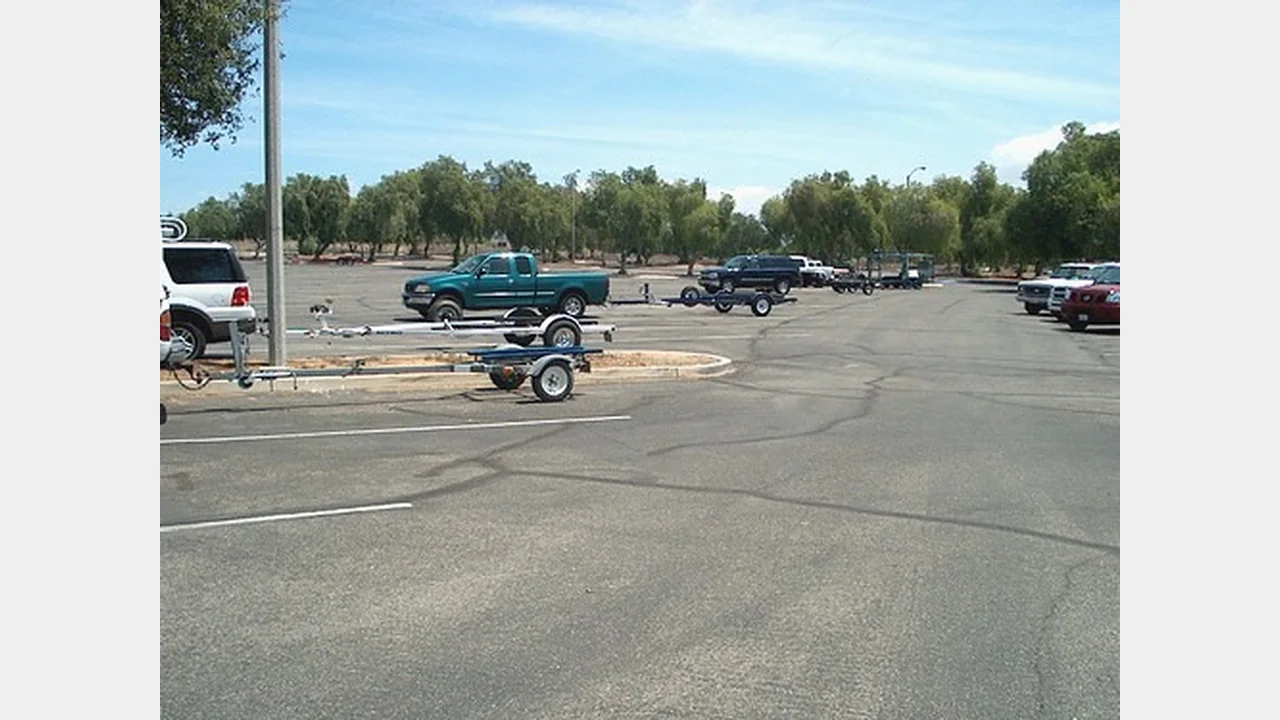
Boat trailer sway control matters because a trailer that starts oscillating behind the tow vehicle can quickly turn a routine launch trip into a loss of directional stability. Sway usually begins when side forces, road irregularities, or sudden steering inputs excite the trailer, and it continues when weight distribution, speed, or mechanical condition allow that motion to build. Understanding the factors that influence sway helps an owner evaluate hitches, loading habits, brake controllers, and trailer configuration before a problem appears.
Essential answer
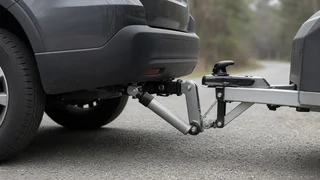
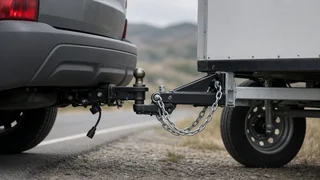
Boat trailer sway control is the combination of equipment, loading practice, and driving behavior used to prevent or reduce side-to-side trailer oscillation. The core idea is to keep the trailer tracking behind the tow vehicle instead of steering itself through a repeating yaw cycle. Sway can involve the trailer moving around its axle, transferring force through the coupler, and then pulling the rear of the tow vehicle in the opposite direction, which is why a stable setup depends on more than simply adding a friction device at the hitch.
The practical scope includes mechanical sway control devices and the conditions that determine whether they are needed. Tongue weight, gross vehicle weight rating, axle rating, and the combined weight rating all affect how the trailer responds to disturbances. A trailer with insufficient tongue weight shifts too much mass behind the axle and becomes easier to excite, while an overloaded axle or an incompatible hitch configuration can also reduce stability. Boat trailer sway control therefore means managing those relationships, not relying on one part alone.