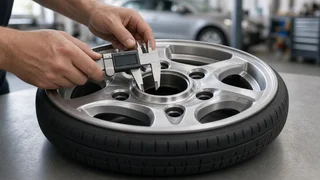
BMW wheel center bore by model
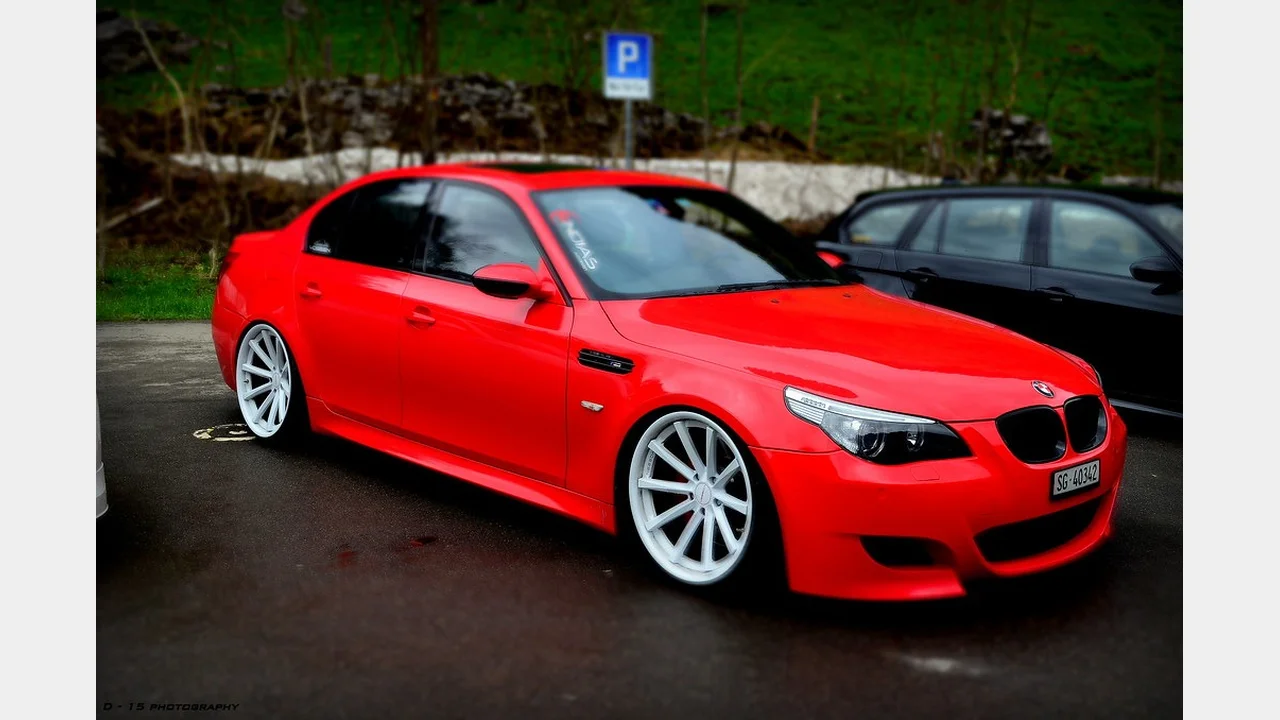
BMW wheel center bore by model is a hub-pilot fitment question that follows the car through several generations. The center bore is the machined opening in the middle of the wheel that locates the rim on the hub flange. Getting this dimension right controls radial runout, lateral runout and steering feedback because the wheel must sit flush against the mounting surface rather than rest on the lug bolts alone. The measured_queries cluster focuses on e30, e36, e39, e46, e60, f10 and f30 chassis codes, but the practical lesson applies to any BMW owner selecting replacement or aftermarket wheels.
Essential answer
The essential answer is that many BMW models share a common hub diameter, but a safe fitment requires checking the specific chassis before buying wheels. A hub-pilot design means the center bore and hub flange carry the wheel's weight and maintain concentricity, while the bolts or studs produce clamping force. If the bore is too small, the wheel will not seat on the mounting surface. If it is too large, the rim can shift slightly under load and produce vibration even when the lug torque feels correct.
Owners researching the bmw e30 wheel center bore, bmw e36 wheel center bore, bmw e39 wheel center bore or bmw e46 wheel center bore are usually comparing older models where hub dimensions are well established. The same question appears for the e60, f10 and f30 platforms. Fit tolerance is narrow enough that a visual check is not enough; a clean hub and matching bore are required to avoid radial runout that would otherwise defeat the purpose of a hub-centric wheel.