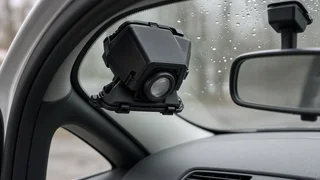
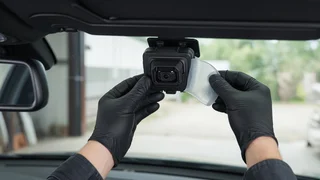
BMW rain sensor after windshield replacement

When a BMW windshield is replaced, the rain sensor mounted near the rearview mirror often becomes the deciding factor between a clean, automatic wipe and a system that ignores rainfall. This glass-mounted optical component detects moisture on the outer surface and signals the wiper module to adjust interval and speed. Replacement changes the glass surface, the optical coupling, and sometimes the bracket or gel pad that positions the sensor. A correct installation preserves visibility and automatic wiper behavior, while a poor fitment can introduce air gaps, water ingress, or seal condition problems that degrade sensor response. Understanding how the sensor works and what commonly fails after glass replacement helps an owner evaluate the job before leaving the shop.
Essential answer
The essential answer is that a BMW rain sensor can work after windshield replacement only when the new glass, optical coupling, and sensor position match the vehicle specification and installation requirements. The sensor does not touch the wiper linkage or the wiper contact point directly. Instead, it reads changes in reflected infrared light when water droplets collect on the outside surface. If the replacement glass has the correct mounting area and the gel or adhesive pad is free of bubbles, the system can behave normally. If the sensor was reused on incompatible glass or reinstalled dry, automatic wiper operation may be intermittent or completely absent.
A BMW windshield replacement rain sensor concern is therefore a matter of glass fitment and optical continuity rather than a simple electrical connection. The replacement may disturb the sensor harness, the bracket, or the clear silicone-like pad that fills the gap between the sensor lens and the glass. Any trapped air, contamination, or cured adhesive in that optical path can scatter the infrared signal and make the module misinterpret the windshield as dry or continuously wet. For this reason, the practical next step is to inspect the sensor bed and the surrounding seal condition, then confirm whether the automatic function recovers under actual moisture before assuming a failed electronic component.