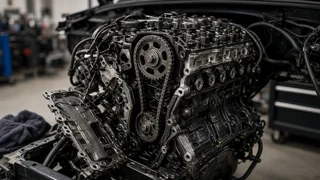
BMW M54 Timing Chain
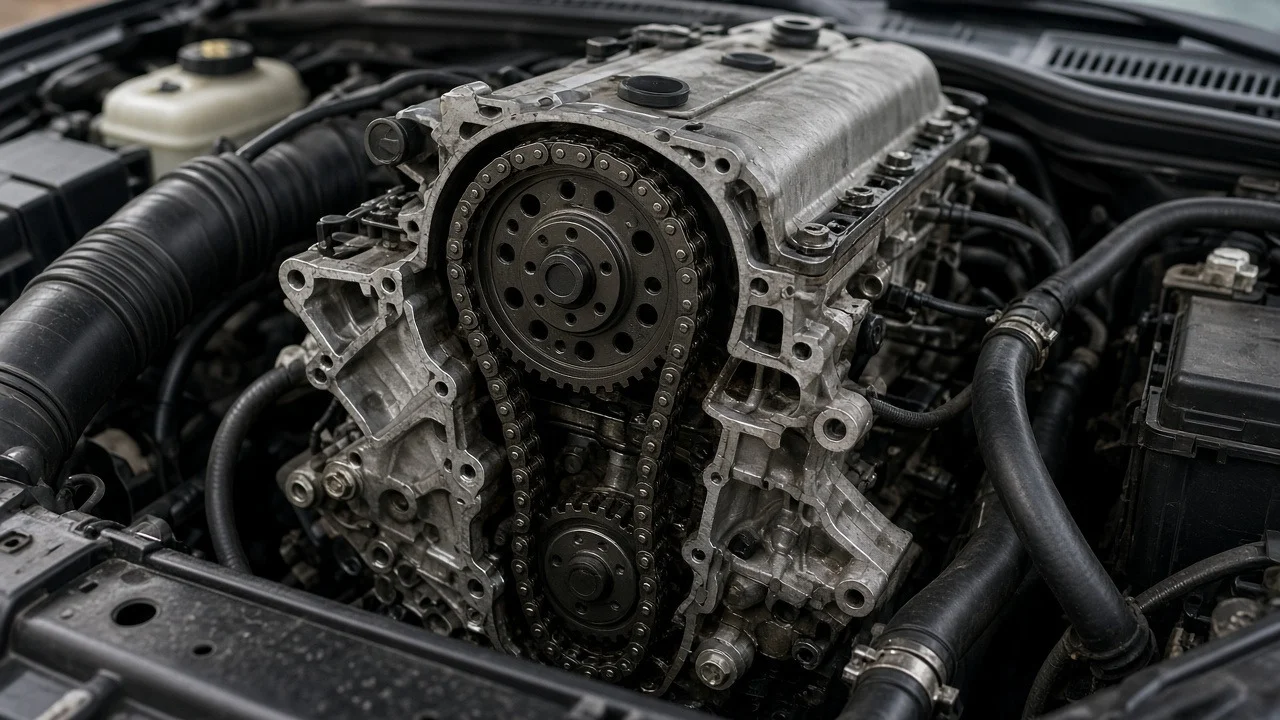
The BMW M54 engine timing chain is a critical internal component that synchronizes the crankshaft and camshafts, ensuring the valves open and close at the correct moments in the combustion cycle. Understanding its design, typical wear indicators, and how it differs from engines with timing belts helps owners interpret engine noises or diagnostic trouble codes more accurately. Because this straight-six powerplant uses a durable metal chain rather than a rubber belt, service life can be long, but tensioner and guide wear still deserve attention when symptoms appear.
Essential answer
The M54 timing chain is an internal chain-and-sprocket system located at the front of the engine behind the timing cover. It connects the crankshaft sprocket to the intake and exhaust camshaft sprockets so that valve timing stays locked to piston position. Chain slack is managed by a hydraulic or spring-loaded tensioner, while plastic guides control the chain’s path and reduce noise. A stretched chain, worn guide, or weak tensioner can produce a rattling sound, particularly during cold starts before oil pressure fully stabilizes the tensioner, and may eventually create camshaft correlation faults.
Because the M54 uses a chain instead of a toothed belt, there is no scheduled replacement interval stated in general owner guidance, and many examples run for high mileage without chain failure. That does not mean the system is maintenance-free. Oil condition directly affects tensioner behavior and guide wear, and neglected oil services can accelerate degradation. An engine configuration with dual overhead camshafts also places more load on the chain path than a simpler single-cam arrangement. Diagnostic codes related to camshaft position are evidence to interpret through inspection, not proof that the chain itself requires replacement.