BMW EGR Valve: Symptoms, Location, and Service
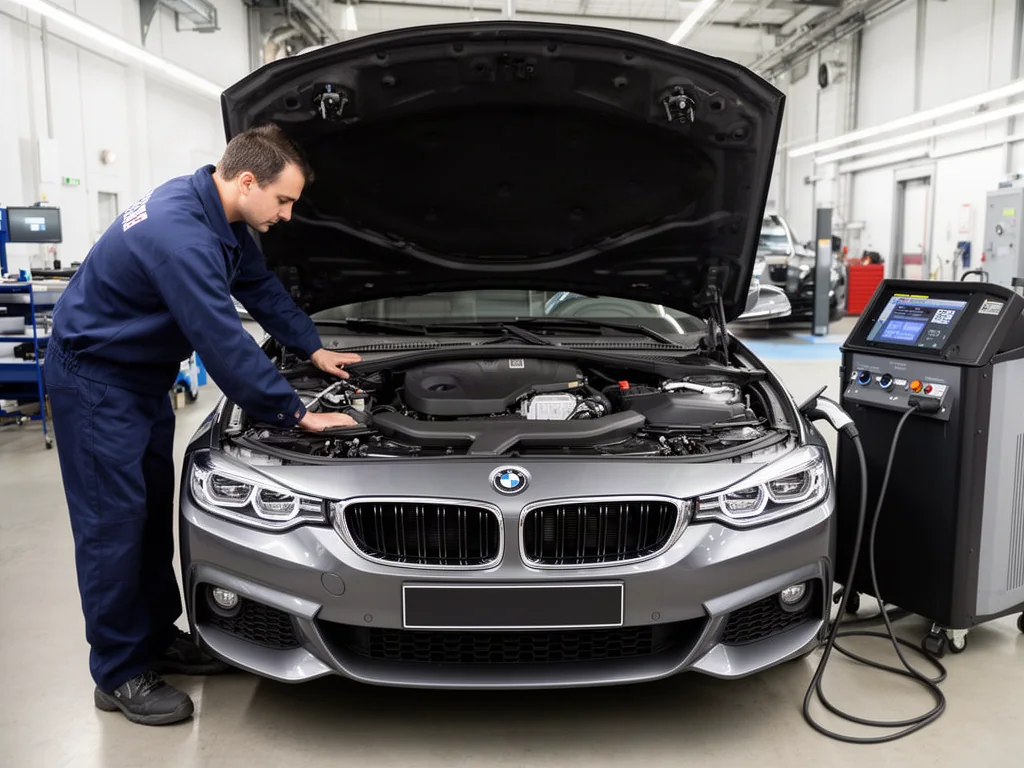
A BMW EGR valve problem can cause rough running, warning lights, or emissions test failures, but the symptoms are easy to confuse with other faults. The exhaust gas recirculation system lowers nitrogen oxide emissions by metering cooled exhaust into the intake under specific conditions. Understanding how your engine’s EGR arrangement works helps you ask the right questions before replacing parts. Use the VIN and engine details to identify the correct EGR valve for a BMW, then confirm the diagnosis through proper testing rather than guessing from a code.
What the EGR Valve Does on a BMW
The EGR valve controls how much exhaust gas recirculates into the intake manifold. This process reduces combustion temperatures and limits nitrogen oxide formation, especially at part throttle. The valve is not fully open all the time; the engine control unit commands it based on load, temperature, and rpm. On some BMW engines, the EGR valve works with an EGR cooler to lower the gas temperature before it reaches the intake, improving emissions control without excessive intake heat.
EGR equipment and operation vary by BMW engine, fuel type, model year, and market. Diesel engines often use high-pressure or low-pressure EGR with coolers and actuators, while gasoline engines may use external valves or camshaft-based internal EGR. The EGR valve modulates flow, but the cooler is a separate heat exchanger that reduces exhaust temperature. Knowing which components are fitted prevents confusion when inspecting symptoms or reviewing service information for a particular VIN.
Symptoms That Can Prompt an EGR Check
Possible signs of EGR trouble include an illuminated emissions or check engine light, uneven idle, hesitation during acceleration, and reduced power. These symptoms suggest a range of faults, not a failed valve by themselves. A restricted EGR passage, a stuck valve, or an electrical control problem can all disrupt normal operation, but so can a dirty mass airflow sensor or a vacuum leak. Record when the issue occurs—during warm-up, at idle, or under load—along with any dashboard messages before visiting a shop.
Intake deposits, airflow measurement errors, and fueling faults can also mimic EGR symptoms. For example, excessive exhaust gas recirculation may cause rough idle, but a leaking injector or weak ignition coil can produce similar behavior. If the vehicle overheats, loses coolant significantly, smokes heavily, or runs severely poorly, stop safely and seek professional assistance. These conditions can indicate an EGR cooler failure or another serious engine problem that requires immediate attention rather than continued driving.
Finding the EGR Valve for Your BMW Engine
To find the EGR valve for a BMW, start with the VIN, engine designation, fuel type, and model year. These details determine whether the engine uses a high-pressure EGR valve near the exhaust manifold or a low-pressure valve further downstream. A vehicle-specific component diagram or service reference is the only reliable way to locate the valve accurately. Generic descriptions like “left side of engine” are not safe, because the valve’s position differs between four-cylinder, six-cylinder, and V8 models.
Covers, adjoining pipes, and cooler assemblies can hide the EGR valve or make visual identification difficult. On diesel engines, the valve may be attached to the intake manifold or integrated with the EGR cooler, while some gasoline engines have remote valves connected by metal tubing. Owner observation should be limited to accessible areas with the engine off and cool. Avoid removing covers or reaching near hot or moving parts; a quick look is never worth a burn or an injury.
What Diagnostic Testing Needs to Establish
An EGR-related fault code indicates a flow, control, or circuit problem—not automatically a failed valve. The code might point to insufficient flow, excessive flow, a stuck position, or an electrical fault in the actuator. Because code definitions vary between manufacturers and even BMW engine families, verify each code’s meaning for the specific vehicle before interpreting it. The same numeric code can have different diagnostic directions depending on the engine management system and emissions calibration.
A technician may use stored fault details, commanded valve operation, position feedback where available, and relevant airflow data to narrow the cause. For example, if the valve is commanded open but the mass airflow reading does not change, the passage could be clogged or the valve stuck. Wiring, passages, sensors, and associated EGR components also need assessment before a replacement decision. The EGR valve is part of a system, and a fault anywhere in that system can store a code that seems to blame the valve.
When Cleaning or Replacement May Be Appropriate
Deposits may affect EGR valve movement or flow, causing sticking or poor sealing. Cleaning can sometimes restore operation, but it cannot fix a failed motor, broken position sensor, or internal electrical short. Cleaning suitability depends on the component’s condition and the applicable BMW service procedure; not every valve is designed to be opened and cleaned. When the valve is integrated with a cooler or uses a fragile position sensor, replacement is often the only reliable repair.
When selecting an EGR valve for a BMW, verify the part through the VIN and engine code, including the applicable part number. This prevents ordering a look-alike unit that fits physically but has the wrong calibration or connector. Once the correct part is confirmed, consider access, associated component condition, and any required setup procedures. Some valves require adaptation after installation so the engine control unit learns the new component’s closed position; professional service addresses these steps correctly.
Confirming the Repair and Watching for Returning Symptoms
Clearing a warning light alone does not establish that the underlying fault has been corrected. The light may stay off for a short time, only to return when the engine operates under the exact conditions that triggered the original code. Professional post-service checks include verifying correct EGR operation, inspecting for relevant intake or exhaust leaks, and monitoring for recurring fault information. A final road test should confirm smooth operation and no pending codes before the vehicle is returned to the owner.
Owners should record returning symptoms and warning messages and report them promptly to the servicing shop. Note the conditions—engine temperature, load, and speed—when a symptom appears, as this helps the technician reproduce the fault. Avoid prescribing a universal cleaning or replacement interval; some EGR valves last the life of the engine, while others need attention based on driving conditions. Direct maintenance decisions to vehicle-specific guidance and the diagnosed condition, not an arbitrary mileage schedule.