BMW E90 Wheel Bolt Pattern
If you own or are considering a BMW E90, understanding the wheel bolt pattern is essential before changing wheels, fitting spacers, or buying a replacement set. The E90 chassis covers several model years, trim levels, and body styles, so the hub layout determines which factory or aftermarket wheels can physically mount. Getting this dimension wrong creates vibration, steering issues, or unsafe contact with suspension and brake components. The following overview explains the core fitment data, how it relates to the E90 platform, and the practical checks that help you avoid costly mistakes when comparing wheels.
Essential answer
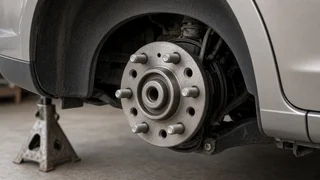
The BMW E90 uses a 5x120 millimeter bolt pattern, meaning five lug holes are arranged on a circle with a 120 mm diameter. This layout is shared across many BMW models from the same era, which explains why wheels from other 3 Series, 5 Series, and some Z4 variants often appear compatible. The term is sometimes written as 5x120, and it describes only the hole spacing, not the number of bolts or the thread size. For the E90, that five-lug configuration is a consistent starting point for wheel selection across sedan, wagon, and coupe body styles.
Bolt pattern alone does not guarantee a wheel fits. A wheel from another BMW with the same 5x120 layout may still have the wrong center bore, offset, or width for your specific model generation. E90 hubs typically use a 72.56 mm center bore, and the wheel must sit flush on that lip to carry load without shaking. Offset and rim width affect clearance to the strut and fender, especially when powertrain configuration or trim level changes suspension hardware. Always confirm the full set of dimensions before mounting a wheel that shares only the lug circle.