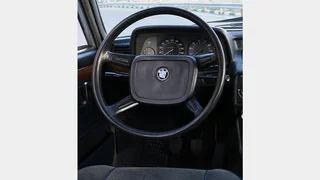
BMW E60 Steering Angle Sensor
The steering angle sensor on a BMW E60 measures how far and how quickly the driver turns the wheel, converting that motion into a signal used by stability control and related chassis systems. When the signal becomes implausible, intermittent, or absent, the vehicle may illuminate warnings, alter steering feel, or disable driver aids. Understanding how this sensor operates, where it sits in the steering column, and why its readings matter helps owners separate simple calibration needs from wiring or mechanical faults before replacing parts unnecessarily.
Essential answer
A steering angle sensor in the E60 is a rotational position input device typically integrated with the steering column switch cluster or clock spring area. Its main job is to report steering wheel position, direction of rotation, and rate of turn to modules such as the dynamic stability control system. The vehicle uses that data to compare what the driver intends with what the chassis is actually doing, so an inaccurate or missing signal can affect stability interventions, adaptive headlight behavior, and other steering-dependent functions.
The sensor is not a standalone proof of a failed component when a fault code appears. Wiring, connector condition, power supply, calibration after alignment or column work, and module communication can all produce similar symptoms. Because E60 platform equipment and software variants differ, the exact reset, initialization, or coding procedure depends on the specific vehicle configuration. Interpreting the signal data live is often more useful than replacing the sensor based only on a stored code.