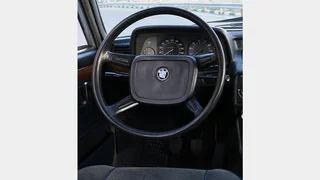
BMW 325i 2001 (E46) steering angle sensor

When a 2001 BMW 325i sets a steering angle sensor fault or shows odd stability-control behavior, the E46 chassis is asking for a specific diagnosis rather than a quick part swap. The sensor measures steering wheel position and rate of turn, feeding that signal to systems that compare the driver’s intent with how the car is actually rotating. Wear, alignment changes, and electrical issues can imitate a failed sensor, so the essential answer starts with understanding what this component does, how its signal is used, and where the common failure points sit in this particular model.
Essential answer
The steering angle sensor on a 2001 BMW 325i is an electronic input device mounted in the steering column that reports steering wheel position, direction, and turning speed to the vehicle’s stability and traction control modules. On the E46 platform it is closely tied to the DSC system, which compares that steering request with yaw, lateral acceleration, and individual wheel-speed readings. When the values disagree, the system can intervene, store a code, or disable stability assistance. The sensor itself is a wear-prone component, but the code is best understood as a starting point for diagnosis rather than proof that the sensor has failed.
A credible diagnostic path begins by checking the sensor’s data stream with a scan tool while turning the wheel slowly from lock to lock. If the reported angle skips, sticks, or drops out near center, the sensor or its optical disc may be contaminated or worn. However, the same symptom can appear from column wiring strain, a disrupted clock spring connection, or an incorrect steering wheel installation after suspension service. Because wheel alignment and changes in ride height affect the relationship between the sensor center and true straight-ahead, confirming the steering angle calibration before condemning the part prevents replacing a good sensor for a system-level problem.