Bestbuy car subwoofer
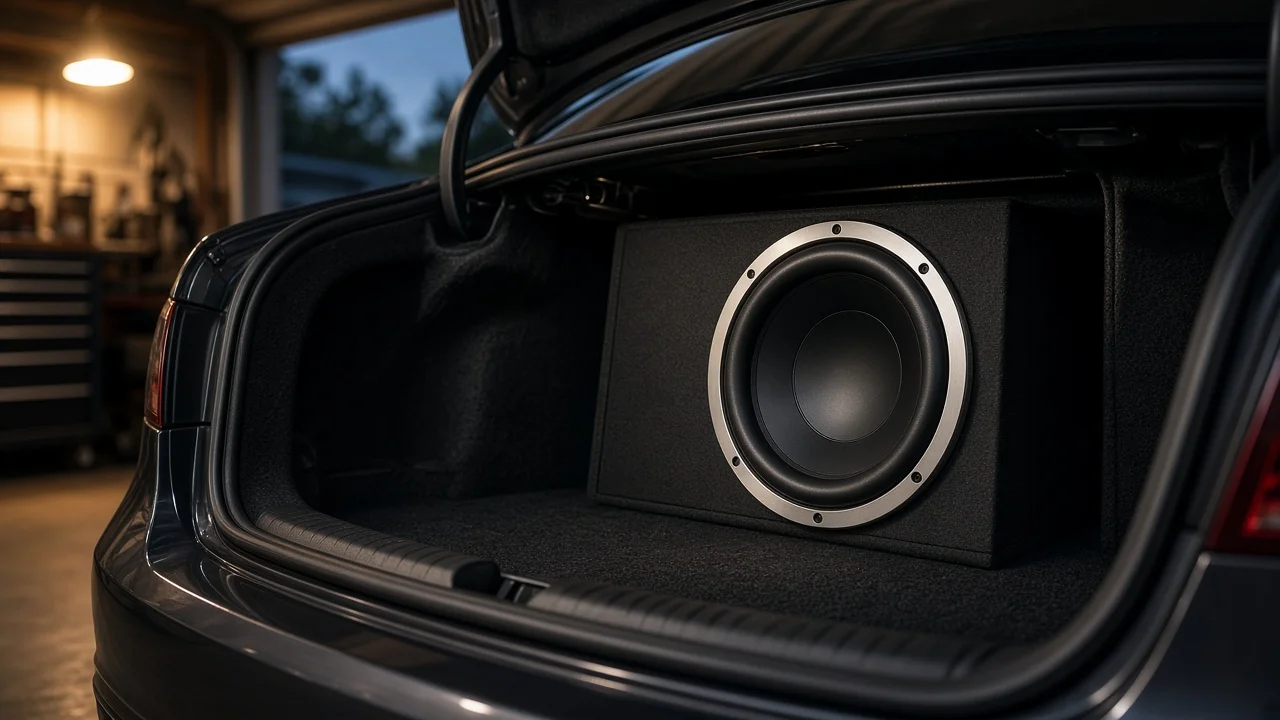
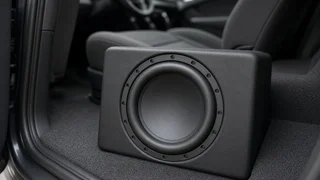
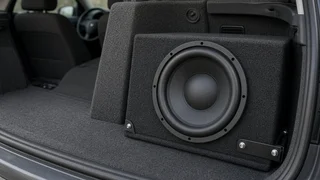
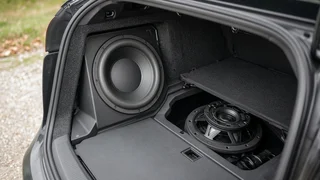
Shopping for a Best Buy car subwoofer usually starts with a broad idea—more low-end impact in a daily driver—and quickly narrows into questions about enclosure type, power handling, and how the new driver will work with the existing head unit and speaker wiring. The term can refer to a standalone component subwoofer, a loaded enclosure, or a powered bass solution sold through Best Buy’s car audio assortment. Understanding the practical differences helps a buyer match the right product to the vehicle’s available space, audio source, and listening goals without chasing specifications that do not fit the install.
Essential answer
A Best Buy car subwoofer is best understood as a retail path to adding a dedicated low-frequency driver to a vehicle rather than one specific model. The store’s range typically spans raw subwoofers, enclosed boxes, and powered units with built-in amplification. Because the query is navigational, the essential answer is that a shopper is looking for product availability, compatibility, and installation support within that retail context. The right choice depends less on a single brand and more on whether the buyer wants a component to pair with an aftermarket amplifier or a self-contained bass upgrade.
The subwoofer’s job is to reproduce the bottom octaves that smaller door or dash speakers cannot handle cleanly. In a car, cabin gain and limited interior volume can reinforce low frequencies, but only if the driver, enclosure, and amplifier are reasonably matched. A buyer evaluating options should first identify the audio source and signal path, because factory head units and aftermarket radios differ in the preamp outputs or speaker-level inputs available for feeding a bass amplifier. That vehicle integration step often determines whether a simple powered enclosure or a component subwoofer with a separate amp is the more practical purchase.