Best Used EVs With 300 Miles of Range: How to Judge Real Remaining Range
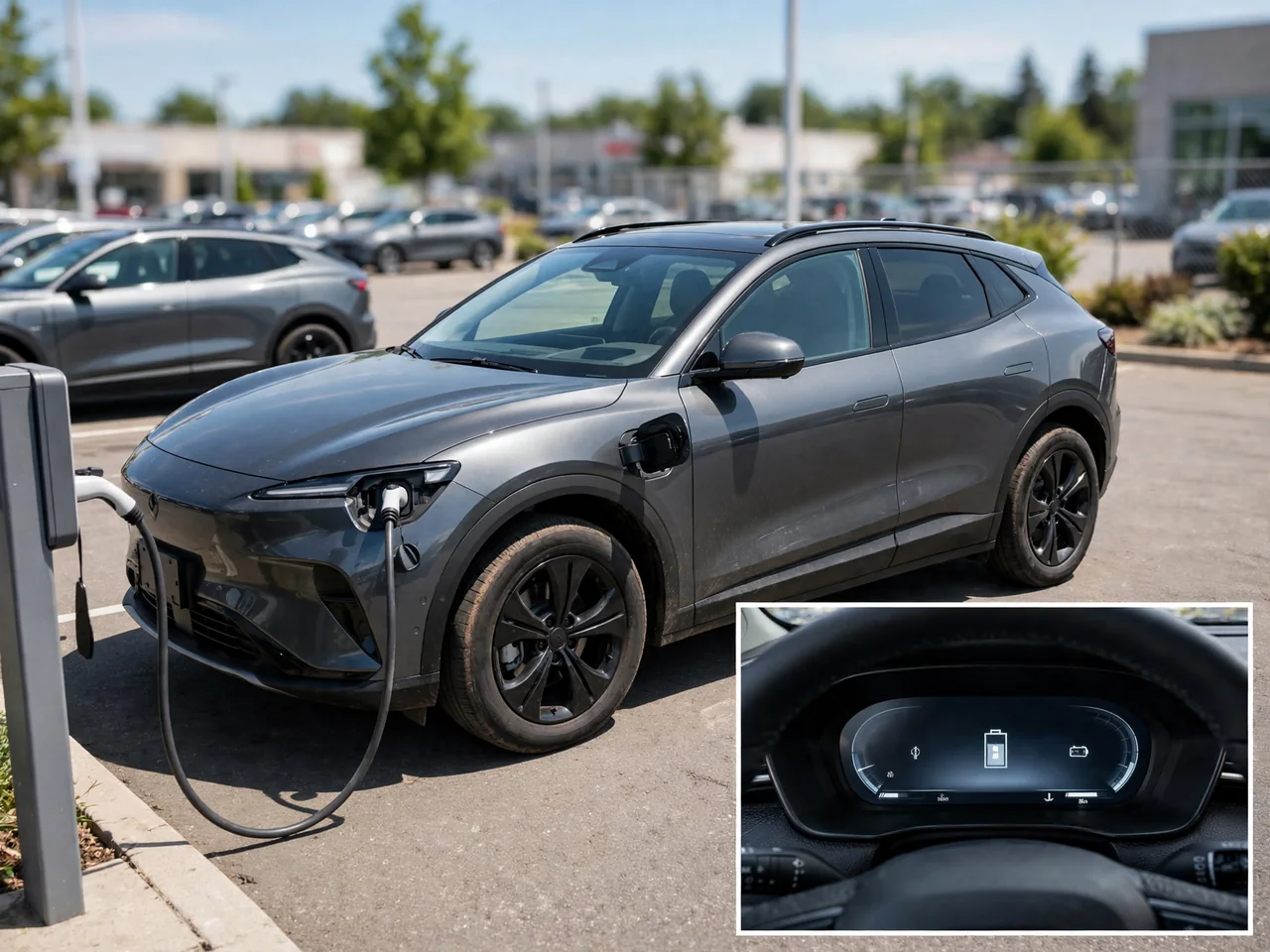
Shopping for a used EV with a 300-mile range can feel reassuring, but that number reflects the car when new—not what it will deliver years later. Battery degradation, driving conditions, and configuration choices all shrink real remaining range. This guide explains how to evaluate battery health, charging, and paperwork so you can compare vehicles by actual range rather than a distant EPA estimate.
What a 300-Mile Rating Really Means on a Used Electric Car
A 300-mile rating is an official new-car estimate, not a guarantee for any used example. The original figure comes from standardized testing under controlled conditions, and it varies by model year, trim, battery pack, motor layout, and even wheel size. A different wheel or tire option can change aerodynamic and rolling losses enough to alter the rating by several miles. To find the exact number for a specific used EV, check the VIN or original window sticker, which lists the configuration and its official range. A listing headline that says “300-mile EV” may describe a different battery or drift version than the car in front of you.
Because configurations differ, even cars of the same model name can have range ratings a dozen miles apart. The only reliable way to confirm the original estimate is to look up the VIN on a manufacturer or government source, or to obtain a copy of the original Monroney label. Some dealers and private sellers copy ratings from top-trim reviews, which misleads buyers about the actual battery capacity. Treat the advertised figure as a starting point only, and remember that a used car advertised as a 300-mile EV may already be well below that figure due to normal battery aging.
How Battery Degradation Shrinks Original Range Over Time
Battery degradation reduces usable capacity over time, so a car that once covered 310 miles on a full charge might now cover far less. This loss is driven by calendar age, the number of charge-discharge cycles, and exposure to high temperatures. Frequent DC fast charging, leaving the battery near 100% or near 0% for long periods, and operating in hot climates can all accelerate the chemical changes that lower capacity. However, the effect differs between vehicles because battery chemistry, cooling design, and charging software vary widely. Two used EVs with similar age and mileage can have very different remaining range.
Mileage and age alone cannot tell you how healthy a specific battery is. A high-mileage car driven gently and kept between 20% and 80% charge may have more real range than a low-mileage car that sat fully charged in desert heat. Some manufacturers also hold back a portion of the battery as a buffer, and software updates can change how much of the pack is usable. This means the range shown on the dashboard may not directly match the physical degradation of the cells. For any used EV, an actual battery health measurement is the only meaningful way to judge remaining capacity.
What Makes a Used Long-Range EV a Smart Purchase
The best used long-range EV is not a single model but a vehicle that meets clear buying criteria. Start with verified battery state of health, then confirm the remaining battery warranty, charging capability, and a documented service history. Efficiency matters as much as battery size: a car that goes 4 miles per kilowatt-hour will travel farther on whatever capacity remains than a heavier car that goes only 2.5 miles per kWh. So a smaller battery with excellent efficiency can sometimes beat a larger pack in everyday range. Consider the battery size together with the car’s energy use per mile.
Charging practicality is also essential. Check the connector type—whether it uses CCS, NACS, or CHAdeMO—and the maximum DC fast charging speed, because that governs how quickly you can add miles on a road trip. Look at whether adapters are needed for home or public stations, and think about charging access near where you live or travel. Also verify whether the car still receives software updates and whether any connected features, such as remote battery monitoring or route planning, require a paid subscription after the sale. These costs and conveniences affect long-term satisfaction.
Checking Remaining Battery Health Before You Buy
A proper battery health check is the most important step before buying. You have several options: request a state-of-health report from a dealer or EV service center, obtain an independent battery test from a shop with the right equipment, or use the vehicle’s own battery or energy screens where these display capacity. Do not rely on the dashboard range estimate, which reflects recent driving habits and weather, not the true battery capacity. Two identical cars can show different estimates because one was driven at highway speed in winter and the other around town in mild weather.
On a test drive, perform safe observations only. Note the displayed charge level at the start and end of a reasonably long drive, watch how the estimated range changes relative to miles traveled, and look for any battery or charging warning messages. Plug the car into a charging station to confirm it accepts charge normally. Never open, probe, or modify any high-voltage components—this is dangerous and can damage the vehicle. If the seller has no battery report or the results are unclear, arrange a professional pre-purchase inspection with a technician qualified for electric vehicles.
Real-World Factors That Pull Range Below the Rating
Even a healthy battery delivers less range than the official rating in real-world conditions. Cold weather reduces both battery efficiency and the available energy until the pack warms up, and cabin heating draws power that could otherwise drive the wheels. Similarly, using air conditioning in summer or maintaining high sustained highway speeds lowers the miles per kilowatt-hour. These losses are normal and typically recover when conditions change. A winter range of 240 miles on a car rated at 300 does not indicate battery failure—it reflects physics and climate.
Other factors also change range: larger or stickier tires, heavy cargo, towing a trailer, and roof racks all increase energy use and cut distance. Before buying, work out your own regular driving needs with a healthy safety margin. If your longest typical day is 180 miles, a used EV that shows 220 miles of real-world range in winter may be perfectly adequate, while a 300-mile rating with unknown degradation is not. Understanding how conditions affect efficiency helps you evaluate a vehicle by its true remaining range rather than an optimistic original figure.
Warranty, Recall and Paperwork Checks for a Used EV
Confirm the remaining battery and powertrain warranty coverage directly with the manufacturer. Many EV warranties transfer automatically to a new owner, but the terms vary, and some require registration or exclude certain parts after a sale. Ask for the original purchase date and verify the coverage period for high-voltage battery capacity and related components. Do not assume a used EV still has the same warranty as when it was new. Also run the VIN through the official recall database and ask the seller for proof that any open safety campaigns have been completed.
Request service records, especially any history of battery, charging system, or electric drive repairs. A vehicle history report should show title status, accident damage, and whether the car was ever declared a total loss. Check which charging cables, adapters, or home charging equipment are included in the sale, since replacement cables can be expensive. Finally, if you plan to claim a used EV tax credit or other incentive, confirm eligibility with official government sources, as requirements for income, vehicle price, and battery sourcing can change between tax years.