Best Japanese 4WD
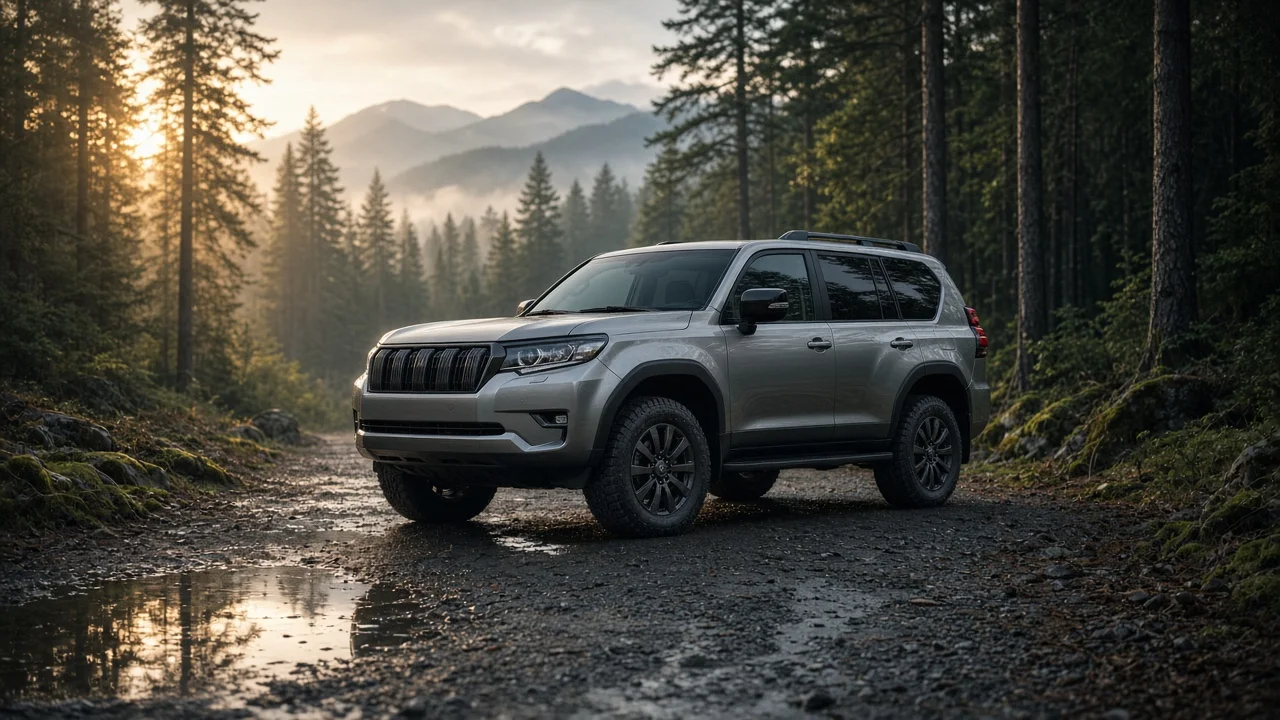
Choosing the best Japanese 4WD means matching drivetrain behavior to the terrain, climate, and load you actually encounter. Japanese manufacturers have long combined compact packaging, robust transfer cases, and thoughtfully tuned traction systems across body-on-frame SUVs, crossovers, pickups, and kei-class off-roaders. Because model year, body configuration, powertrain options, market segment, equipment level, and regional availability change what a nameplate can do, a useful selection focuses on durable four-wheel-drive hardware, predictable low-traction manners, and realistic owner expectations rather than a single universal winner.
Relevant entries
Toyota Land Cruiser and Lexus LX models earn attention for their full-time four-wheel-drive systems, robust construction, and long record in severe operating conditions. Their relevance to the search comes from consistent low-range gearing, stout axles, and generous suspension travel, which help preserve momentum on loose climbs, washboard roads, and rocky shelf trails. While regional availability and equipment level shift by model year, the underlying engineering emphasis favors durability and control over light-duty comfort alone, making them a common reference point for anyone seeking a serious Japanese 4WD.
Suzuki Jimny and Mitsubishi Pajero or Montero lines represent the smaller and mid-size ends of the Japanese four-wheel-drive spectrum. The Jimny’s narrow body configuration, light weight, and selectable four-wheel-drive layout suit tight forest tracks and deep ruts, while Pajero and Montero variants historically offered a balance of passenger room and off-road mechanical grip. Evaluating body configuration and powertrain options together reveals why some versions excel in mud or sand and others prioritize on-road stability; the best choice depends on whether the owner needs maneuverability, payload, or long-distance touring composure.