Best frequency for subwoofer car
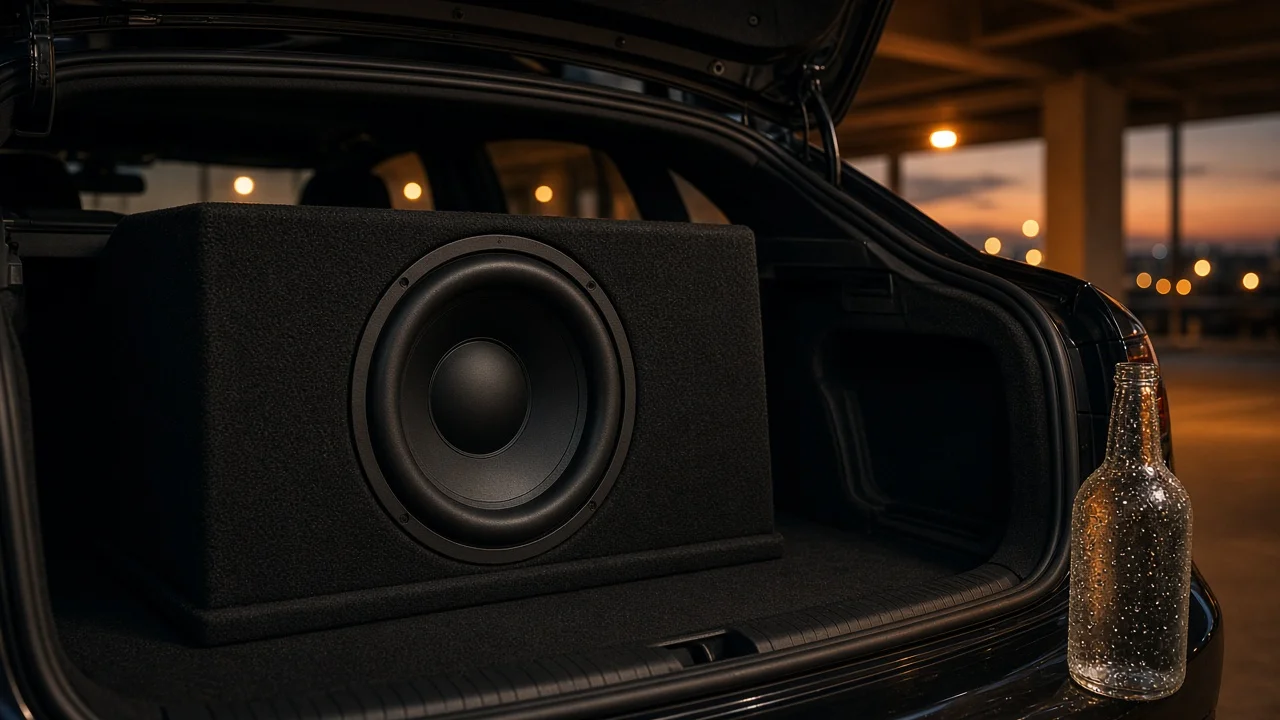
Choosing the best frequency for a subwoofer in a car is less about finding one magic number and more about tuning the crossover region where the subwoofer hands off bass duties to the smaller door speakers. The goal is solid low-frequency impact without making kick drums sound bloated or male voices muddy. Because every cabin, head unit, audio source, and speaker wiring layout changes the result, the useful approach is to understand the control range and then adjust by ear in your own vehicle. This gives you cleaner bass, better front-stage blending, and fewer rattles from wasted energy.
Relevant entries
Start with the low-pass crossover frequency at the amplifier or head unit. In many car audio systems this setting is commonly placed between roughly 70 and 100 Hz because that is where a subwoofer stops acting as a directional point source and begins behaving like ambient low-frequency fill. Setting it too high can pull midbass detail toward the rear and make vocals sound chesty, while setting it too low can leave a gap between the sub and the door speakers. The exact value depends on the size and response of the main speakers, so the crossover is a blend rather than a fixed rule.
The second relevant entry is the subsonic or infrasonic filter. This control appears on many amplifiers and is useful for ported enclosures because it reduces very low signal below the tuning frequency where the cone can move excessively without producing useful output. In a sealed box the filter may be set lower or left off, but the idea is still to protect the driver from wasted excursion. Together with the low-pass filter, the subsonic setting shapes the useful operating band. It should be adjusted so low notes remain present without allowing rumble or flutter that adds no musical information.