Best equalizer settings for JVC car stereo
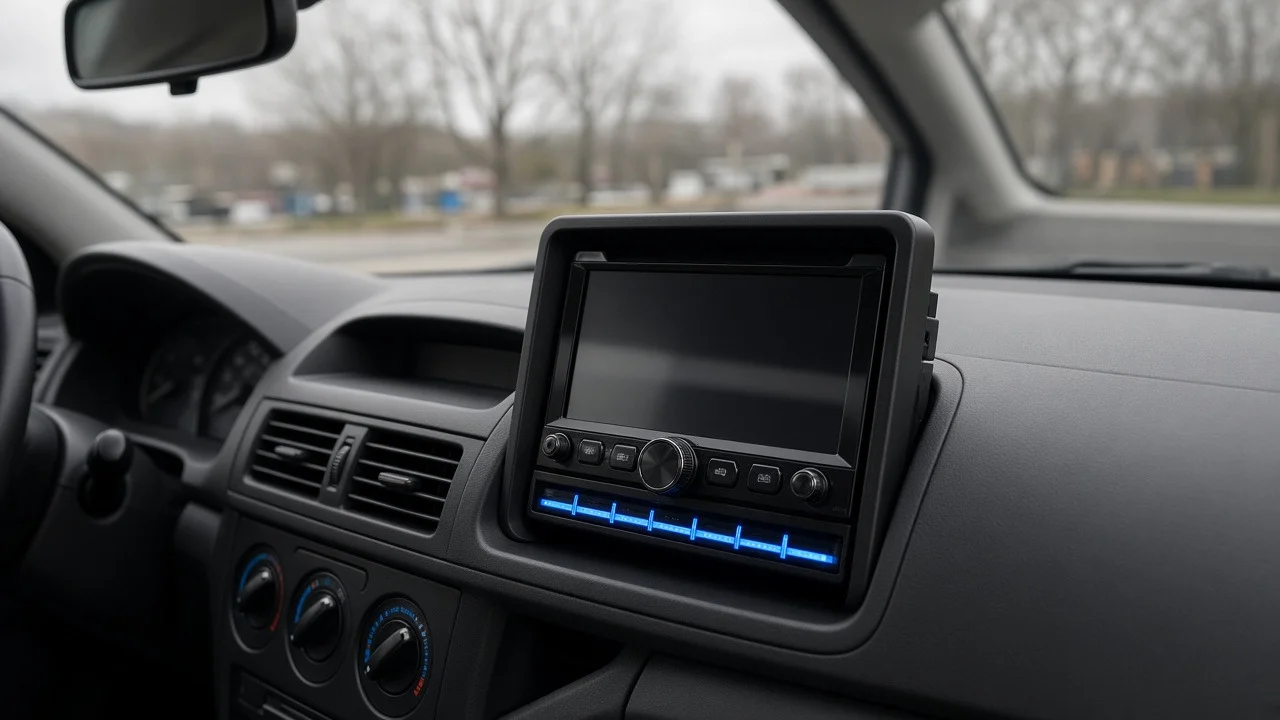
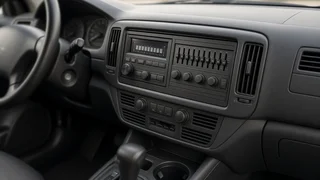
Tuning a JVC car stereo usually matters more than changing speakers or adding an amplifier, because the head unit's equalizer shapes every audio source before it reaches the speaker wiring. The best equalizer settings for JVC car stereo depend on cabin size, speaker location, road noise, and the music you actually play. Vehicle integration also matters: a setting that sounds clear at idle may become muddy at highway speed. The goal is not one magic curve. It is a balanced starting point that keeps vocals intelligible and low frequencies controlled without forcing the amplifier or drivers into distortion.
Relevant entries
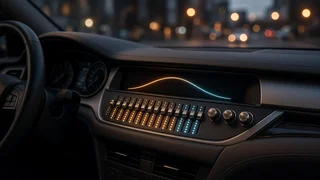
Start with a mild cut rather than a strong boost, especially in the bass region. A small increase around 60–100 Hz can restore warmth lost to tire and engine noise, but a large boost often makes door speakers rattle and masks midrange detail. Many JVC head units let you select preset curves such as flat, rock, or vocal, then modify them. Treat those presets as quick references, not final answers. The useful adjustment is usually a gentle lift in the midbass and a slight presence increase around 2–4 kHz.
For typical front-door speakers, keep the lowest band near its center or slightly reduced, then raise the 200–400 Hz area only if male voices sound thin. A clean result often comes from lowering adjacent bands instead of boosting one band heavily. If the stereo sounds dull, add a small high-frequency lift around 8–12 kHz, but avoid a sharp treble peak because it exposes hiss from older recordings and weak signal reception. After each change, listen to a familiar track with both acoustic instruments and spoken vocals.