Best Car Manufacturers
Which makers belong on a short list
“Best car manufacturer” is not a single official title. It is a shorthand for companies that repeatedly stand out on one or more comparable tests: long-term reliability, crash protection and driver-assistance design, residual value, engineering of a particular vehicle type, or the ownership experience of a given brand. This article is a selection of passenger-vehicle manufacturers that commonly meet those tests. It is not an inventory of every automaker, and it does not assign numbered ranks. Numbered positions only make sense after one criterion is fixed and the same evidence is applied to every name; no such single ranking dataset is used here.
Inclusion is limited to companies that design and sell light passenger vehicles under their own marques in major markets. Commercial-only truck builders, tuner houses that rework another firm’s platform, and defunct nameplates sit outside the boundary. A manufacturer is the company; a brand (or marque) is the name on the car. Those terms are related and not equivalent. Toyota Motor Corporation, for example, fields both Toyota and Lexus. Saying a company is strong is not the same as saying every brand, model, model year, powertrain, or trim it sells is equally strong.
How “best” is usually judged
Buyers, insurers, and independent testers rarely use one yardstick. Reliability surveys track problems over years of ownership and tend to favour makers whose high-volume petrol, hybrid, and simpler powertrains age predictably. Safety assessments look at crash structure, restraint design, and driver-assistance behaviour on specific models, not at a corporate logo in the abstract. Luxury and driving-dynamics reputations rest on chassis, steering, materials, and how a car behaves on the road. Electric-vehicle leadership is a separate question of battery range, charging behaviour, software, and service. Sales volume measures popularity, not quality. A maker can lead on one of these and trail on another in the same model year.
Because those tests are not interchangeable, a useful list names each company for a clear reason and leaves the final ranking to the reader’s purpose: keeping a car for a decade, buying a luxury saloon, choosing a battery-electric hatchback, or valuing how a car steers.
Selected manufacturers and why each is relevant
The entries below are ordered alphabetically by the name most readers will recognise. Alphabetical order is a presentation choice, not a league table. Each name is included because it is repeatedly cited against at least one of the tests above, with a concise note on that relevance.
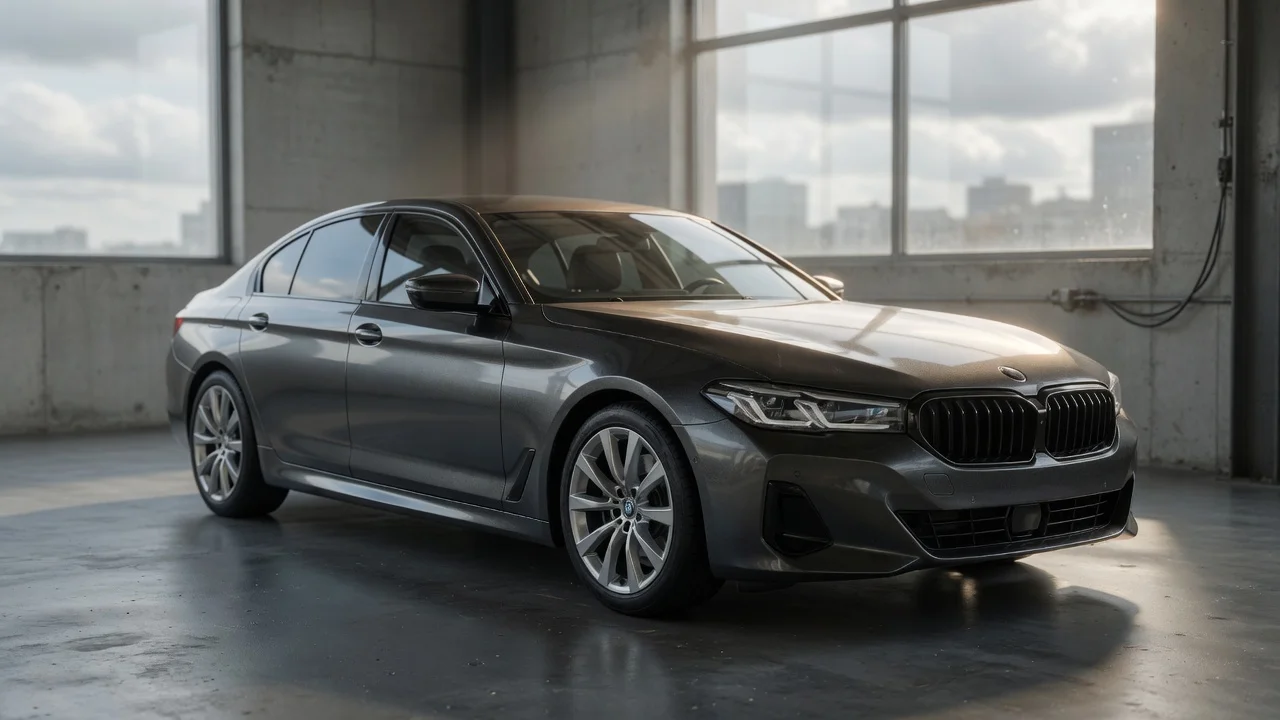
BMW AG (BMW, MINI, Rolls-Royce). BMW is the reference point many buyers still use for a driver-focused premium car, especially in compact and mid-size saloons and coupes such as the 3 Series family. The company also owns MINI and Rolls-Royce, which are separate marques with different jobs: small premium cars and ultra-luxury cars. Relevance here is chassis and powertrain character in the BMW-branded line, not a claim that every BMW, MINI, or Rolls-Royce model is equally reliable or equally easy to own. Ford Motor Company (Ford, Lincoln). Ford’s case on a “best maker” list is strongest in high-volume light trucks and in long-running passenger names such as Mustang, rather than as a universal quality leader across every car it sells. Lincoln is the luxury marque. Relevance is scale, pickup and utility engineering in North America, and a few passenger icons; it is not a blanket quality ranking for every Fiesta-era small car or every market. General Motors (Chevrolet, Cadillac, GMC, Buick). GM belongs on a short list of globally consequential passenger-vehicle companies, with particular weight in full-size trucks, SUVs, and Cadillac as a luxury brand. Chevrolet, Cadillac, GMC, and Buick are not interchangeable products. Relevance is breadth and truck/SUV engineering in North America, plus Cadillac’s luxury brief, qualified by model and market. Honda Motor Co., Ltd. (Honda, Acura). Honda is widely treated as a reliability and engineering benchmark in mainstream cars, especially long-running names such as Civic and Accord and in many of its petrol and hybrid powertrains. Acura is Honda’s premium brand in North America and is not the same product as a Honda-badged Civic or CR-V. Relevance is durable, high-volume passenger cars and the premium Acura line as a related but non-equivalent offering. Hyundai Motor Group (Hyundai, Kia, Genesis). Hyundai, Kia, and Genesis share engineering inside one group and are still separate brands. The group’s relevance is the combination of long factory warranties in many markets, a sharp rise in perceived quality over recent decades, and competitive hybrids and battery-electric models. Genesis is the luxury marque; treating a Hyundai hatchback and a Genesis saloon as the same car would be a category error. Mazda Motor Corporation. Mazda is included for driving feel and design in affordable passenger cars, a reputation built on cars such as the Mazda3 and MX-5 rather than on luxury scale or electric-vehicle volume. Relevance is how the cars steer and look for the money, which is a different test from Toyota-style durability surveys or Mercedes-Benz luxury appointments. Mercedes-Benz Group AG (Mercedes-Benz, Mercedes-AMG, Mercedes-Maybach). Mercedes-Benz is the historic luxury and safety-systems reference among German premium makers, spanning saloons, SUVs, and high-performance AMG variants. Maybach sits above the core Mercedes-Benz line. Relevance is luxury engineering and a long record of occupant-protection and assistance technology; it does not mean every diesel, petrol, plug-in hybrid, or fully electric Mercedes of every model year ages the same way. Porsche AG (Volkswagen Group). Porsche is a sports-car and performance-SUV specialist inside Volkswagen Group, not a mass-market volume brand. The 911 line is the core identity; Cayenne, Macan, and fully electric models such as Taycan extend the company into other segments. Relevance is high-performance engineering and residual strength on core sports models. Porsche is not interchangeable with Volkswagen-branded family cars even though they share a parent. Subaru Corporation. Subaru’s place on the list comes from standard all-wheel drive on most passenger models and from a safety-oriented brand identity, including the EyeSight driver-assistance suite on many recent cars. Relevance is poor-weather traction and a specific safety pitch, not a claim of class-leading dynamics or luxury. Tesla, Inc. Tesla is included as the company that made long-range battery-electric cars a mass-market category, beginning with Model S deliveries in 2012 and continuing through Model 3, Model Y, and later products. Relevance is electric powertrains, over-the-air software, and a direct-sales model in markets where it is used. That is a different kind of “best” from a decades-long reliability record on petrol engines, and service and build-quality experiences vary by plant and model year. Toyota Motor Corporation (Toyota, Lexus, and related group brands). Toyota is the default answer in many reliability and hybrid discussions, from high-volume names such as Corolla and Camry to the Prius hybrid line introduced in Japan in 1997. Lexus is the luxury brand and is often cited separately in owner-satisfaction and dependability talk. Relevance is manufacturing consistency, hybrid powertrains, and Lexus as a luxury expression of the same company. A Toyota Land Cruiser, a Corolla, and a Lexus LS are not one product. Volkswagen AG (Volkswagen, Audi, Škoda, SEAT/CUPRA, Bentley, Lamborghini, and others). Volkswagen Group is relevant for sheer engineering breadth: volume cars under Volkswagen, premium cars under Audi, and ultra-luxury or supercar marques alongside them. Audi is the group’s core premium brand for many buyers comparing BMW and Mercedes-Benz. Relevance is the range of vehicles one industrial group can field. A Škoda family car and a Bentley are not comparable ownership propositions. Volvo Car AB. Volvo’s inclusion rests on occupant safety as a corporate identity, from the three-point seatbelt it introduced in 1959 through modern crash structure and driver-assistance work. Relevance is safety engineering in passenger cars and SUVs, not a claim that Volvo leads every market in performance, design, or electric-vehicle volume.
A compact comparison by the test each name usually wins
Manufacturer or group Usual reason it appears on “best” lists What that reason does not cover; Toyota Motor Corporation Dependability surveys; hybrid volume; Lexus luxury reliability talk Every truck, sports car, or new battery-electric nameplate in every market; Honda Motor Co. Mainstream petrol and hybrid cars; engineering reputation Acura being identical to Honda, or every current model matching older Civics; Hyundai Motor Group Warranty, value, and improved quality; Genesis as luxury Identical quality across Hyundai, Kia, and Genesis, or every older model year; Mercedes-Benz Group Luxury appointments and safety-systems heritage Uniform reliability across AMG, Maybach, diesel, and electric lines; BMW AG Driver-focused premium cars MINI and Rolls-Royce sharing the same ownership profile as a 3 Series; Porsche (VW Group) Sports-car engineering and core-model residuals Equivalence with Volkswagen-branded family cars; Volvo Cars Occupant-protection identity Class leadership in performance or in every electric segment; Tesla Battery-electric range, software, and category-defining models A long petrol-era dependability record, or identical quality by factory; Mazda Steering feel and design at mainstream prices Luxury scale or electric-vehicle leadership; Subaru All-wheel drive and a safety-centred passenger line Luxury, pure performance, or every powertrain type; Ford and General Motors Light trucks, SUVs, and a few enduring passenger names A single quality score that covers every car and every region
How to turn the list into a buying decision
Match the company to the job. If the goal is a car kept for many years with predictable servicing, start with makers whose high-volume petrol and hybrid models have long, boring reliability records, then verify the specific model year and powertrain. If the goal is a luxury saloon or SUV, compare Mercedes-Benz, BMW, Audi, Lexus, and Genesis on the actual car, not on the parent company’s fame. If the goal is a battery-electric vehicle, Tesla is the category reference, but Hyundai Motor Group, Volkswagen Group, BMW, Mercedes-Benz, and others now sell competing EVs whose range, charging speed, and service networks differ by market. If snow or unpaved roads dominate, Subaru’s all-wheel-drive passenger line is a reason to look, not a reason to skip a Toyota or Volvo with a comparable drivetrain on the model you actually want.
Then drop from company to vehicle. Manufacturer reputation is a prior, not a substitute for the make, model, model year, trim, and engine or motor. Crash-test results, recall history, and owner-reported faults attach to those specifics. A well-regarded maker can still field a weak generation; a less-celebrated maker can field one excellent model. Where a company uses several brands, read the badge that is on the car: Lexus is not Toyota, Genesis is not Kia, Audi is not Volkswagen, Cadillac is not Chevrolet.
Gaps a ranked “world’s best” claim would still need to fill
This selection does not name a single best car company in the world, because that claim needs one published, comparable ranking and a stated year. Reliability studies, safety protocols, customer-satisfaction surveys, residual-value guides, and global sales tables often disagree, and they change when a new platform, factory, or powertrain arrives. Chinese domestic makers, Stellantis marques, Renault–Nissan–Mitsubishi Alliance brands, and many specialists are omitted here as a boundary choice, not as a finding that they fail every test. Markets differ: a brand that leads in Japan or South Korea may be a niche import elsewhere, and safety or emissions rules are not the same in every region. Treat the names above as a map of where “best” usually points, then confirm the car in front of you.