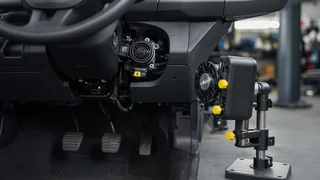
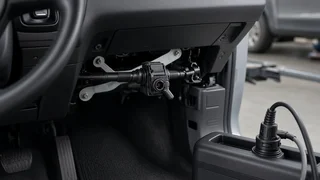
Bendix steering angle sensor calibration
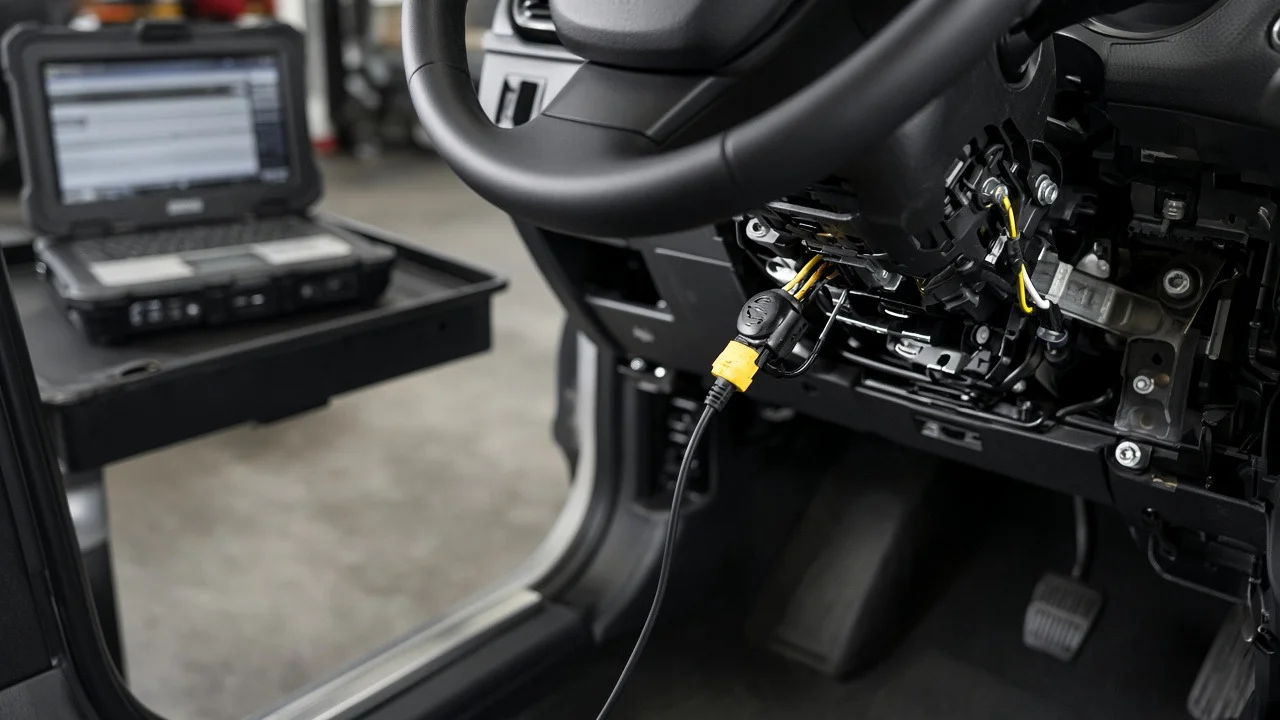
When the steering system begins to misread driver input, a Bendix steering angle sensor calibration is often the first practical step. This procedure re-establishes the electronic zero point so steering wheel position, wheel alignment, and stability-control calculations agree again. Vehicle support changes, suspension work, or accumulated joint play can disturb that reference even when parts look sound. Drivers may notice drifting assist, warning lamps, or odd stability interventions. The service matters because the sensor data feeds several chassis systems at once, and a stale calibration creates disagreements no mechanical repair can correct by itself.
Essential answer
Bendix steering angle sensor calibration is the process of teaching the control module where straight-ahead actually sits after mounting points, ride height, or steering geometry have shifted. The sensor reports angular position, but its reading is only useful when the module stores a trustworthy center value. Calibration clears the old reference and records a new one, usually with the front wheels held straight and the vehicle on a level surface. Without this reset, the system can interpret a centered steering wheel as a slight turn request, producing modest but persistent pull correction or misjudged stability events.
The scope includes several related jobs: confirming the sensor is mounted securely, checking that no joint play distorts its motion, and verifying the wheel alignment is reasonable before the reset. Fastener specification and vehicle support also matter because a sensor reading can shift if the column assembly or underbody moves during service. Calibration is not a substitute for a loose suspension component, nor does it repair internal electronics. It is a reference-learning step that should follow mechanical inspection when the fault code or behavior suggests the steering center no longer matches the chassis center.