Basic OBD2 Code Reader
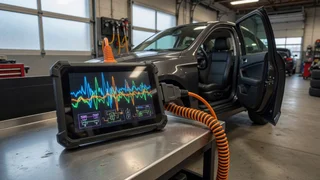
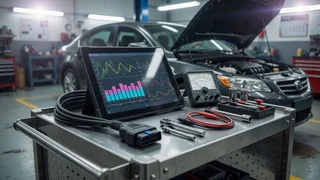
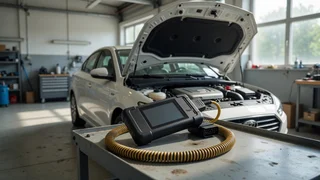
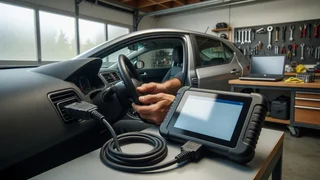
A basic code reader obd2 scanner is the simplest way to turn an illuminated check-engine light into usable information. These handheld tools connect to the vehicle’s OBD2 port and read the stored trouble code that triggered the warning. For most everyday drivers, that first step matters more than buying advanced diagnostic equipment. A basic scanner should display the code clearly, allow you to clear it after a repair or confirmation test, and remain simple enough to use in a driveway without special training. Selecting the right one means matching its read and clear functions to how you will actually use it.
The direct answer
A basic code reader obd2 scanner should reliably read and clear generic powertrain trouble codes from a 1996 or newer US-market vehicle. The direct answer is to choose a scanner that powers up through the diagnostic connector, displays the code without requiring a smartphone, and includes a simple clear function. A basic unit will not unlock every manufacturer-specific module, but it covers the emissions-related faults that commonly illuminate the check-engine light. Condition matters because a scanner that reads only generic codes may still miss ABS, airbag, or body-module faults not required for basic engine diagnostics.
Checking freeze-frame data can make the same trouble code more useful. When a scanner stores the operating conditions present at the moment the fault set, you can compare those conditions to the symptom conditions you noticed while driving. For example, a lean code recorded during cold startup may point in a different direction than one set during warm cruise. A basic scanner may show limited live data, but even a stable code read gives you a starting point. You are not proving a sensor or component has failed; you are collecting evidence that narrows which system needs attention.