Bad Timing Chain Symptoms: Sounds, Warning Signs, and Safe Checks
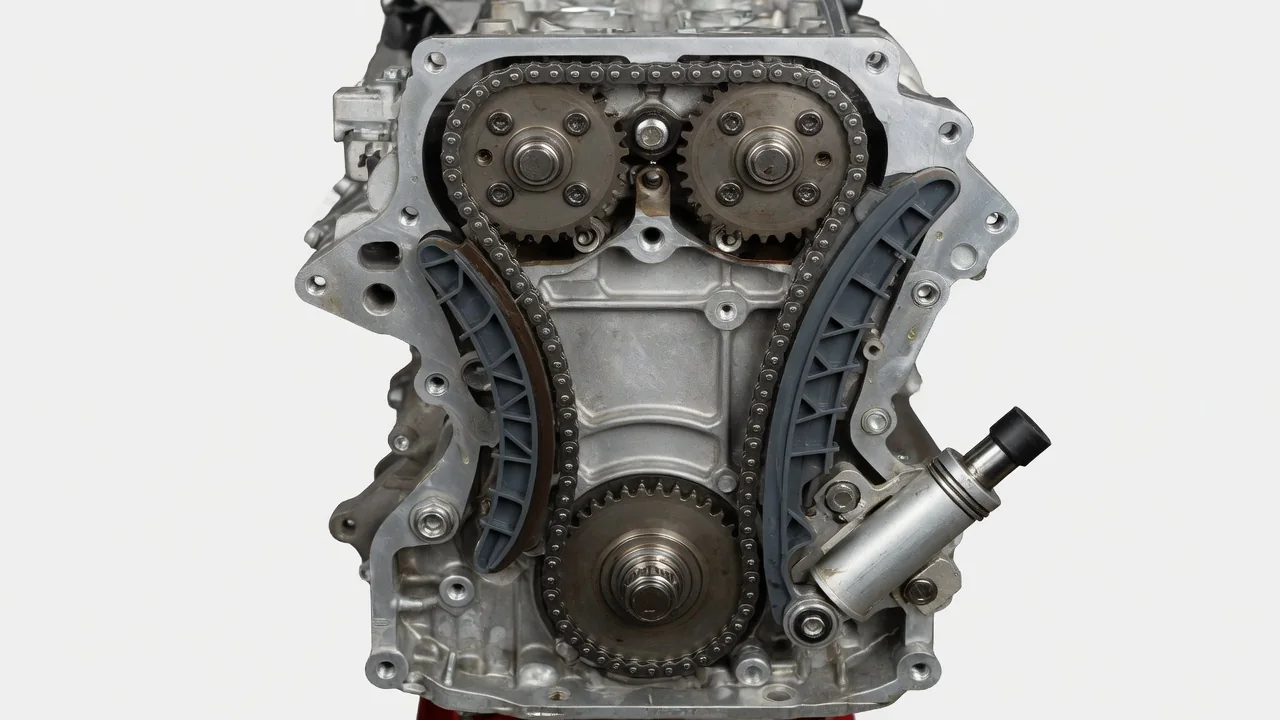
Bad timing chain symptoms can include a startup rattle, noise on acceleration, rough running, misfires, and a check-engine light. The chain keeps camshaft timing in step with crankshaft position, so wear, chain elongation, a weak tensioner, or damaged guides can disturb engine operation. Those clues do not by themselves prove the chain has failed, but they do show why the pattern of sounds and warning signs deserves careful attention.
Warning Signs That Can Point to Timing Chain Wear
Unusual rattling, rough running, difficult starting, reduced power, and a check-engine light are common clues when owners ask how to know if a timing chain is bad. The chain keeps the camshaft and crankshaft turning together so valves open and close at the right moment. Disturbed timing can make combustion uneven, starting more difficult, and power feel reduced even while the engine still runs.
Those same signs of a bad timing chain can also come from ignition, fuel, sensor, or oil-related faults, so a symptom checklist cannot establish that the chain needs replacement. Timing chain issues and other engine problems overlap enough that guessing from feel alone is unreliable. Symptoms also cannot show how much usable life remains or whether continued driving is safe. Faulty timing chain symptoms are a reason to investigate, not a verdict that the chain has already failed.
Startup Rattles and Noise During Acceleration
What a bad timing chain sounds like is often described as a metallic rattling or clattering from the front of the engine, especially in the first seconds after a cold start. That startup rattle can involve delayed chain tensioner operation while oil pressure is still building, or a guide that no longer keeps the chain from slapping. A brief recurring noise is not proof of timing chain failure, but it is a sound worth having assessed rather than dismissed as normal.
Timing chain noise when accelerating may show up as a light rattle or clatter that follows throttle rather than a constant idle knock. Noting whether it appears only after startup, during ordinary acceleration, or both helps a technician compare the report with oil supply and tensioner behavior. A timing chain can go bad without making noise: slack or elongation can shift camshaft timing quietly. Quiet running does not confirm correct timing, and a silent engine is not a pass on chain condition.
Rough Running, Hard Starting, and Check-Engine Codes
Disturbed valve timing can contribute to an engine misfire, an uneven idle, hard starting, and a noticeable loss of power because the valves no longer open and close in step with piston travel. Those symptoms of a bad timing chain overlap with spark, injector, and air-metering faults, so rough running by itself is not a timing chain problem diagnosis. A check-engine light with misfire-related storage is evidence that combustion is irregular; it does not identify the chain as the failed part.
Camshaft and crankshaft correlation faults are among the timing chain issue symptoms technicians look for, because they show the two shafts are not staying in the expected relationship. Those codes are evidence that needs investigation, not proof of chain elongation. Each code's meaning and diagnostic criteria must be confirmed for that vehicle and engine, especially when the definition is manufacturer-dependent. Oil supply, variable valve timing components, sensors, or wiring can produce similar correlation and misfire data and belong in the same diagnostic path.
What Causes Chain, Guide, and Tensioner Problems
Chain stretch usually means accumulated wear at the chain's pins and bushings, which increases effective length rather than the steel actually stretching like a spring. That chain elongation lets the chain ride farther on the sprockets and can shift camshaft timing even before a dramatic noise appears. Worn or broken timing chain guides and a weak or leaking chain tensioner allow extra movement, so slap, rattle, and skipped timing can develop from the hardware that controls the chain as well as from the chain itself.
Lubrication is central because the tensioner often depends on oil pressure and the chain, guides, and sprockets rely on a film of oil. Low oil level, oil that does not match the vehicle's specification, contamination, or inadequate pressure can starve those parts and contribute to timing chain problems. There is no universal mileage at which a chain is due to fail. Follow the oil type, viscosity, and service intervals in the owner's manual rather than a generic timeline.
Safe Checks an Owner Can Make
How to check a timing chain as an owner starts with conditions you can observe without taking the engine apart. Park on level ground, shut the engine off, and check the oil level using the procedure and wait time in the owner's manual; a normal dipstick reading does not prove oil pressure is adequate at the tensioner. Write down when symptoms of timing chain going bad began, whether they appear at startup or during normal driving, and when oil was last serviced.
If a scanner is available and it is safe to connect it, retrieve stored codes and freeze-frame information and keep those records rather than clearing them before diagnosis. Owner observations still cannot measure chain wear or verify mechanical timing. Do not remove timing covers, reach toward running components, or crank the engine repeatedly just to listen. How you tell if your timing chain is bad at home is by documenting clues for a shop, not by inspecting the chain itself.
How Professional Testing Confirms the Cause
A shop confirms timing chain problems with a vehicle-specific investigation that uses service information, the recorded codes, live operating data, and a careful listen to the reported noise. That process is how to tell if the timing chain is bad with more than a guess. A technician may test oil pressure and variable valve timing operation first, because a starved tensioner or a stuck cam phaser can copy the same rattles, correlation faults, and power loss that owners associate with a bad timing chain.
Technicians compare camshaft and crankshaft signals with the expected relationship for that engine. When indicated, mechanical timing verification or inspection of the chain, guides, and tensioner can confirm whether elongation or hardware damage is present. Metal debris in engine oil or plastic guide fragments found during an oil change warrant investigation, but their appearance alone cannot identify the timing chain as the source. Similar particles can come from other internal wear, so the finding is a prompt for further testing.
When to Stop Driving and Arrange Help
Severe persistent rattling, an oil-pressure warning, a flashing check-engine light with rough running, or a sudden major power loss are reasons to pull over safely and shut the engine off. Those timing chain failure symptoms can mean the chain, tensioner, or oil supply is no longer keeping valve timing under control. If serious timing trouble is suspected, have the vehicle towed. There is no reliable distance that remains safe to drive, and a test drive to confirm the noise is not worth the risk of further damage.
A slipped or broken chain can cause a stall or a no-start, and depending on engine design it can allow valves and pistons to collide. After an abrupt failure, repeated restart attempts add risk without restoring timing. For milder recurring symptoms—an occasional startup rattle, a stored correlation code, or a light clatter during ordinary driving—arrange prompt professional assessment. Share the symptom history, any codes you saved, and a recording of the noise if you captured one safely.