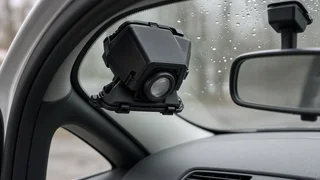
Audi rain sensor windshield replacement
Replacing a windshield on an Audi equipped with a rain sensor involves more than swapping glass. The sensor, usually mounted near the rearview mirror, reads moisture on the outer surface and adjusts wiper behavior automatically. During replacement, glass fitment, seal condition, and vehicle specification all affect how the system performs afterward. A poor installation can disturb wiper contact, create water ingress, or leave the sensor unresponsive. Understanding this process helps owners ask the right questions before work begins and avoid visibility problems after the new glass is installed.
Essential answer
Audi rain sensor windshield replacement means installing new glass while preserving or restoring the automatic wiper function. The rain sensor is typically a small optical module attached to the inside of the glass, often with a gel pad or bracket. Correct replacement requires using glass compatible with the vehicle specification, transferring or replacing the sensor correctly, and making sure the surrounding seal is clean and dry. If the sensor is reused, its mounting surface must be free of air gaps so it can detect moisture consistently.
The direct answer is that this is a glazing job with an electronic sensing step added. Standard windshield replacement focuses on structural bonding and leak prevention. Here, the technician must also confirm that the sensor lens sits flush against the new glass and that the wiring reconnects without damage. Glass fitment matters because sensor position and curvature affect how the light beam inside the sensor interprets raindrops. When done properly, automatic wiper operation should behave the same as before the glass was replaced.